

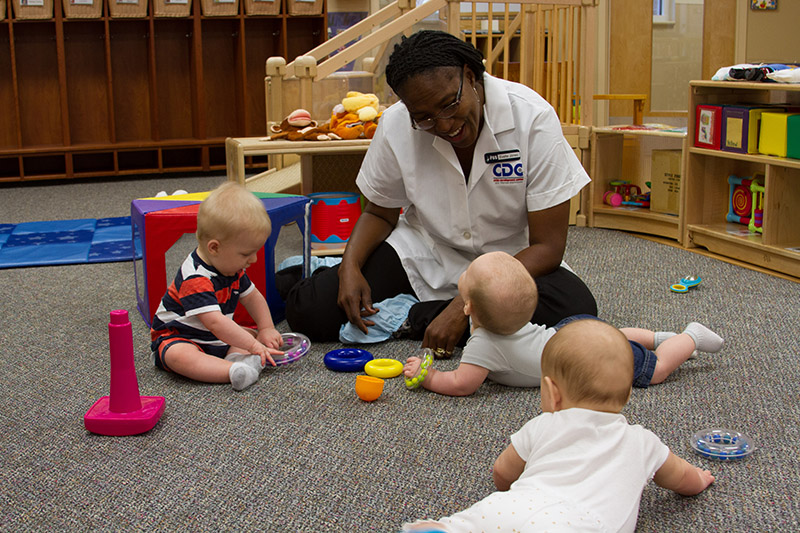
How Safe Childcare Environments Boost Child Development
A child’s early years are very important. This is the time when they learn basic skills, build confidence, and start to understand the world around them. A safe childcare environment plays a key role in shaping this growth. When children feel secure, they are more likely to explore, learn, and develop in a healthy way.
In the early stages of life, children depend on adults to provide care, comfort, and protection. This is why choosing the right childcare setting matters so much. A well-planned and secure space supports learning, behaviour, and emotional health. In the middle of these important choices, Professional childcare helps ensure children receive proper attention, guidance, and safety at all times.
What Is a Safe Childcare Environment?
A safe childcare environment is a place where children are protected from harm. It includes both physical safety and emotional well-being. Physical safety means clean spaces, secure equipment, and proper supervision. Emotional safety means children feel valued, respected, and supported.
Safety is not just about avoiding danger. It is also about creating a calm and positive space where children feel comfortable being themselves. When children feel safe, they can focus on learning and growing.
Building Confidence and Independence
Children who feel safe are more confident. They are willing to try new things, make choices, and learn from their mistakes. In a secure environment, children know that support is always there if they need it.
This confidence helps children become more independent. For example, they may start dressing themselves, sharing toys, or speaking up in group activities. These small steps are important for their overall development.
Supporting Emotional Development
A safe childcare setting supports emotional growth. Children learn how to express their feelings and understand others. Caregivers play a big role in this process by showing kindness, patience, and respect.
When children feel heard and understood, they develop strong emotional skills. They learn how to manage their emotions, deal with challenges, and build healthy relationships. This emotional strength stays with them as they grow older.
Encouraging Social Skills
Childcare environments allow children to interact with others. In a safe setting, these interactions are guided and positive. Children learn how to share, take turns, and work together.
Social skills are very important for school and life. A secure environment helps children feel comfortable around others. They learn how to make friends and solve small conflicts in a calm way.
Promoting Cognitive Development
Cognitive development is about thinking, learning, and problem-solving. A safe childcare environment encourages curiosity. Children are more likely to ask questions, explore new ideas, and take part in activities.
Simple things like reading stories, playing games, and solving puzzles help the brain grow. When children feel safe, they can focus better and enjoy learning. This leads to stronger memory, attention, and understanding.
Physical Development and Safety
Physical growth is another key part of child development. Safe childcare settings provide space for movement and play. Activities like running, climbing, and drawing help improve motor skills.
Safety measures such as soft flooring, child-friendly furniture, and supervised play reduce the risk of injury. This allows children to stay active without unnecessary danger. Healthy physical activity also supports overall well-being.
The Role of Caregivers
Caregivers are at the heart of a safe childcare environment. Their behaviour, attitude, and attention shape the child’s experience. Trained staff know how to handle different situations calmly and effectively.
Good caregivers:
- Watch children closely at all times
- Respond quickly to needs
- Encourage positive behaviour
- Provide comfort and support
Strong relationships between caregivers and children build trust. This trust is the foundation of a safe and nurturing environment.
Cleanliness and Hygiene
Clean spaces are essential for children’s health. A safe childcare setting follows strict hygiene practices. This includes regular cleaning, proper food handling, and good personal hygiene.
Children are more likely to stay healthy in a clean environment. Fewer illnesses mean better attendance and more time for learning and play. Teaching children simple habits like handwashing also helps them develop lifelong healthy routines.
Structured Routine and Stability
Children feel more secure when they know what to expect. A structured daily routine gives them a sense of stability. Regular times for meals, play, and rest help children feel calm and organised.
Routine also supports learning. Children understand patterns and develop time awareness. This structure reduces stress and helps them adjust easily to new environments, such as school.
Safe Equipment and Resources
Childcare settings should use age-appropriate equipment. Toys, furniture, and learning materials must be safe and suitable for children. Regular checks ensure everything is in good condition.
Safe resources allow children to explore freely. They can play, learn, and discover without fear of harm. This freedom is important for creativity and imagination.
Parent Trust and Peace of Mind
A safe childcare environment also benefits parents. Knowing their child is in a secure place gives them peace of mind. They can focus on work or other responsibilities without worry.
Open communication between parents and caregivers builds trust. Regular updates, feedback, and clear policies help parents feel involved in their child’s development.
Long-Term Benefits
The impact of a safe childcare environment goes beyond early years. Children who grow up in secure settings often perform better in school. They have stronger social skills, better emotional control, and a positive attitude towards learning.
These early experiences shape future behaviour and success. A strong foundation in childhood leads to better outcomes in education, relationships, and overall life.
Conclusion:
Safe childcare environments are essential for healthy child development. They provide protection, support, and opportunities for growth. From building confidence to improving learning skills, the benefits are clear.
Children need more than just supervision. They need care, attention, and a secure space where they can thrive. By choosing a safe and well-managed childcare setting, parents can give their children the best possible start in life.
Also, read: Tips to Maintain Your Smile After Dental Bonding Work
Related Posts

How Is Corteiz Quietly Building a Streetwear Revolution?
Streetwear has changed rapidly in the last decade, but few names have sparked as much curiosity as Corteiz. This brand has managed to shift attention away from traditional marketing and toward raw community energy. Instead of following fashion industry rules, Crtz focuses on exclusivity, culture, and identity. Many young people see it as more than clothing; it

Best IT Courses in Pune: A Complete Career Guide for Beginners
The world today runs on technology. From banking and healthcare to entertainment and education, every industry depends on IT in some way. For beginners looking to build a stable and future proof career, the IT sector offers immense opportunities. Pune, often referred to as the “Oxford of the East,” has emerged as one of India’s leading IT hubs, making it

Find Your Dream Home at Smartworld Elie Saab Noida
Luxury living today is no longer just about spacious homes it is about curated experiences, refined aesthetics, and a lifestyle that reflects global standards. This is exactly what Smartworld Elie Saab brings to the heart of Noida. Designed with elegance and attention to detail, this premium residential development introduces a new level of sophistication for m
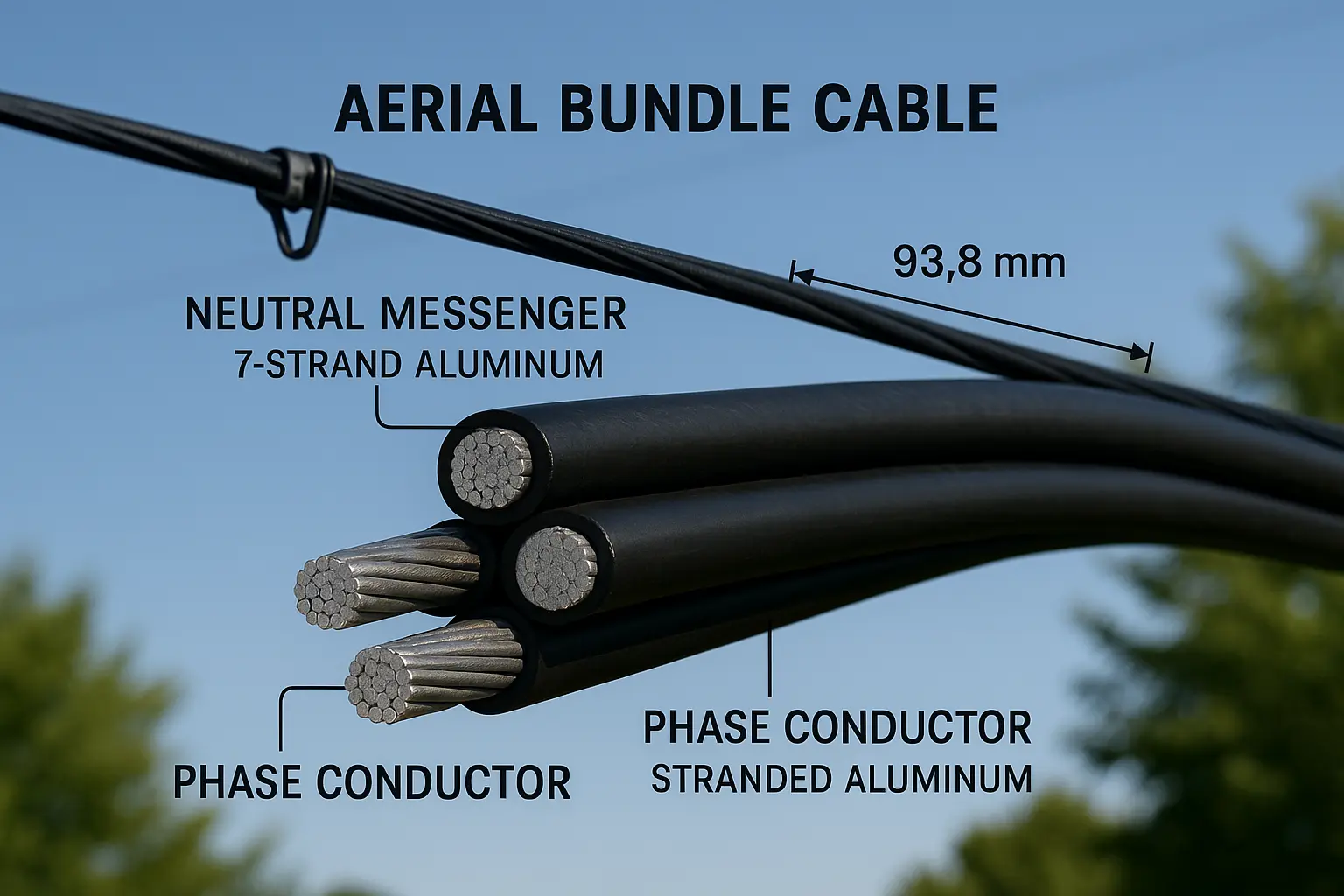
Aerial Bundle Cable Power Transmission Technology: Smarter Overhead Distribution for Modern Utility Networks
In modern utility infrastructure, aerial bundle cable systems have become a preferred solution for safe, reliable, and efficient overhead power distribution. As grid operators, EPC contractors, and procurement teams face rising demands for network safety, lower maintenance, and faster deployment, the shift from bare overhead conductors to insulated bundled syst
Leave a Reply