


Tips to Maintain Your Smile After Dental Bonding Work
A bright, confident smile can make a big difference in how you feel every day. Dental bonding is a simple and effective way to fix small chips, gaps, and discolouration. It gives quick results and looks natural. However, like any dental treatment, it needs proper care to keep it looking its best.
If you have recently had bonding done or are planning to get it, knowing how to maintain it is very important. Whether you chose treatment locally or searched for composite bonding Manchester, the aftercare steps remain the same. With the right habits, your bonded teeth can stay strong and attractive for years.
What Is Dental Bonding?
Dental bonding uses a tooth-coloured resin to improve the shape and look of your teeth. The dentist carefully applies the material, shapes it, and then hardens it using a special light. The result blends in well with your natural teeth.
It is a popular choice because it is:
- Quick to complete
- Less expensive than veneers
- Minimally invasive
- Natural-looking
But bonding is not as strong as natural enamel, so it needs care.
Avoid Hard Foods
One of the most important tips is to be careful with what you eat. Bonded teeth can chip if you bite down on very hard foods.
Try to avoid:
- Ice
- Hard sweets
- Nuts in shells
- Pens or other non-food items
If you enjoy crunchy foods, cut them into smaller pieces. This reduces pressure on your teeth.
Limit Staining Drinks
The bonding material can stain over time. Drinks that are dark in colour are the main cause.
Cut down on:
- Coffee
- Tea
- Red wine
- Fizzy drinks
If you do have these drinks, use a straw when possible. Also, rinse your mouth with water after drinking them.
Keep a Good Oral Hygiene Routine
Daily care is key to keeping your smile fresh. Even though bonding is not natural enamel, it still needs proper cleaning.
Follow these simple steps:
- Brush twice a day with a soft toothbrush
- Use fluoride toothpaste
- Floss daily
- Use a gentle mouthwash
Avoid hard brushing, as it can wear down the bonding material.
Stop Bad Habits
Some habits can damage your bonded teeth without you realising it.
Avoid:
- Nail biting
- Chewing pens or pencils
- Opening packages with your teeth
These actions put stress on the bonding and may cause cracks or chips.
Visit Your Dentist Regularly
Regular dental check-ups are essential. Your dentist will:
- Check the condition of the bonding
- Polish the surface if needed
- Spot any early damage
It is best to visit your dentist every six months or as advised.
Be Careful with Teeth Grinding
Teeth grinding, also known as bruxism, can wear down bonding quickly. If you grind your teeth at night, speak to your dentist.
They may suggest:
- A night guard
- Stress management techniques
Protecting your teeth while you sleep can extend the life of your bonding.
Choose the Right Toothpaste
Not all toothpaste is suitable for bonded teeth. Some whitening products are too harsh.
Look for:
- Non-abrasive toothpaste
- Products made for sensitive teeth
Avoid strong whitening pastes, as they can dull the bonding material.
Watch for Changes
Over time, bonding can wear down or lose its shine. Pay attention to any changes.
Signs to look for:
- Rough edges
- Discolouration
- Chips or cracks
If you notice anything unusual, book a dental visit. Early repair is easier and more affordable.
Avoid Smoking
Smoking can stain bonded teeth quickly. It also affects your overall oral health.
Quitting smoking can:
- Keep your smile bright
- Improve gum health
- Reduce bad breath
It is one of the best steps you can take for your teeth and your general health.
Eat Tooth-Friendly Foods
A balanced diet helps keep your teeth strong. Some foods are better for your smile than others.
Choose:
- Fresh fruits and vegetables
- Dairy products like cheese and yoghurt
- Foods rich in calcium
Limit sugary snacks, as they can lead to decay around the bonded area.
Stay Hydrated
Drinking water is a simple but powerful habit. It helps wash away food and bacteria.
Water also:
- Reduces staining
- Keeps your mouth fresh
- Supports overall oral health
Make it a habit to drink water throughout the day.
Avoid Extreme Temperature Changes
Bonding material can react to sudden changes in temperature. Very hot and very cold foods can cause stress on the material.
Try to:
- Avoid switching quickly between hot and cold drinks
- Let hot drinks cool slightly before sipping
This helps protect the bonding from small cracks.
Consider Touch-Ups
Dental bonding is not permanent. It may need touch-ups after a few years.
The good news is:
- Repairs are quick
- The process is simple
- It is usually cost-effective
Keeping up with small fixes helps maintain your smile long-term.
Final Thoughts:
Dental bonding is a great way to improve your smile without complex procedures. With the right care, it can last for many years and continue to look natural.
Simple habits like avoiding hard foods, keeping your teeth clean, and visiting your dentist regularly make a big difference. Small changes in your daily routine can protect your bonding and keep your smile looking its best.
Also, read: Comprehensive Healthcare Services by Dr Narendra Physician
Related Posts

12 Secrets to Making Your Safari Holiday Truly Wild
A safari trip is one of the most exhilarating experiences on Earth. It is well-known for offering an unparalleled, up-close encounter with wild animals in their natural habitat. It is a chance to explore breathtaking landscapes and enjoy nature at its raw. Whether it is adrenaline-fueled thrill, unlimited entertainment, or a refreshing escape from the daily gri
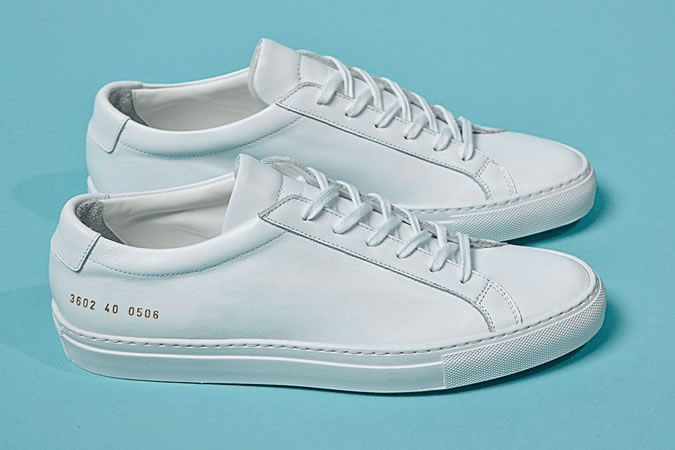
Common Projects: The Ultimate Guide to Minimalist Luxury Footwear
In today’s fashion world, where trends change rapidly, Common Projects has managed to stand still—and win. Known for its clean design and premium craftsmanship, the brand has become a symbol of refined taste and understated elegance. Unlike flashy logos or bold colors, Common Projects shoes focus on simplicity, making them a go-to choice for those who appre
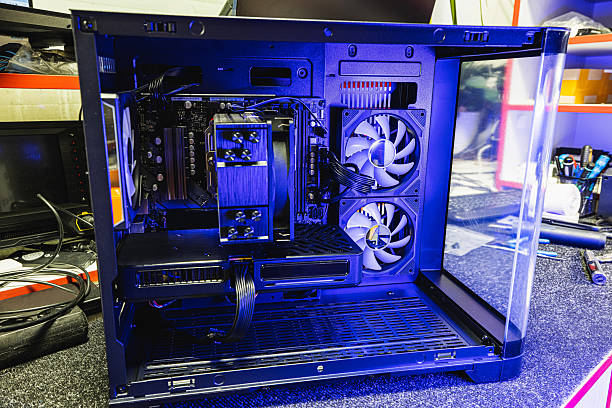
Xbox Repair Eastbourne You Can Rely On
If your Xbox stops working, it can be very frustrating. Many people in Eastbourne love gaming, and when their console breaks, they need a quick and simple fix. That is why Xbox Repair Eastbourne services are very important. Whether your Xbox is not turning on, showing errors, or overheating, you need experts who know how to fix it fast. At Metro Stop Mobiles Ea
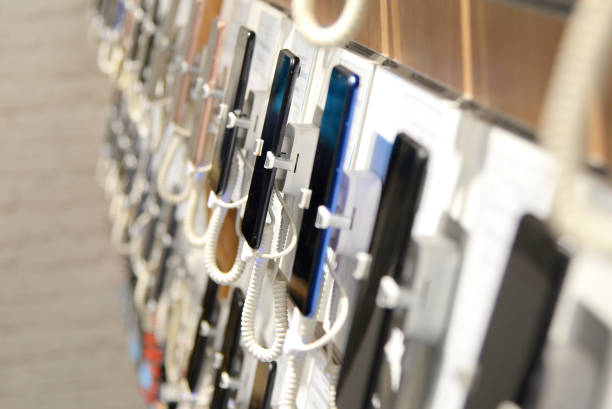
Mobile Repair Shop Guildford for Fast Phone Fixes
Finding a good mobile repair shop Guildford can feel hard when your phone suddenly stops working. Your phone is not just a device. It holds your photos, contacts, and daily needs. That is why choosing the right repair shop matters a lot. IFix Gadgets Guildford is known for quick, simple, and affordable repair services. If your screen is broken, battery is weak,
Leave a Reply