

The Things Worth Checking Before You Walk Into Any Casual Dining Spot
A first glance at a restaurant can shape everything that follows. Walking into one, eyes dart around before anything else happens. Spotless floors matter just as much as an orderly welcome area, yet dusty windows hint at deeper issues. A messy entryway might mean what’s out of sight is worse behind the scenes. Look at the tables closely. After each guest leaves, are they cleaned fully, or does syrupy film linger behind? Care taken here reflects how much workers value those eating there. Check the menus as well grimed pages or torn edges hint at neglect.
Spotting these tiny signs helps you feel more settled before your first bite arrives. Clean spaces start good meals, yet they reveal more than just tidy corners they show how seriously a place takes its work. When workers barely have to lift a brush but still let surfaces dull, it suggests attention has already wandered elsewhere.
Understanding Menu Layouts and Food Ingredients
From the kitchen to your seat, the menu speaks first. Before sitting down, glance at what is offered; it could spare you an underwhelming plate. Too many choices? That may mean meals come from freezer packs instead of nearby farms. A shorter list usually means food arrives fresh, pulled straight from local growers. Watch for notes about harvest times or where items are grown. Such care hints at pride in ingredients, not just speed. A strong menu fits different eating styles naturally, not like an afterthought.
When plant-focused dishes sit beside gluten-free picks or familiar favorites, the balance ought to seem deliberate. Look close at how things are described fuzzy wording can mask weak cooking, but sharp, vivid details suggest real skill. Starting with the words on the page gives a sense of what kind of kitchen runs here, whether it matches what you’re drawn to eat. Passion shows when descriptions carry weight, hinting that cooks stand behind their work.
Gauging the Atmosphere and Crowd Dynamics
The energy of a space profoundly influences your enjoyment of a meal. A quick glance around the room reveals the general mood and target demographic of the eatery. Is it filled with families seeking a relaxed weekend brunch, or is it drawing a fast-paced professional crowd grabbing quick bites? The noise level plays a crucial role here. Some venues feature acoustic treatments that keep conversations private, while others let sound bounce off hard surfaces, creating a loud, chaotic environment.
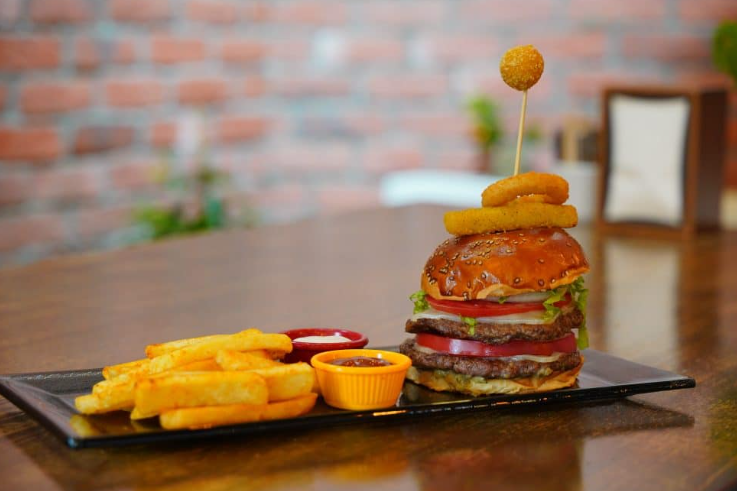
The lighting also contributes heavily to the mood. Warm, dim lighting encourages lingering over drinks, whereas bright, clinical lighting might signal a fast-food approach. If you happen to be searching for a specific vibe, perhaps trying to find a reliable burger cafe in London, the ambient energy is just as important as the food itself. The way guests interact with their surroundings tells a story about the comfort and appeal of the venue. A harmonious balance of sound, light, and decor ensures the space feels inviting.
Paying Attention to Staff Engagement and Workflow
Watch the way people act when you step through the door. How they talk to each other, how they greet you these moments tell more than words could. Smooth movements, steady glances, real warmth in their voices often mean things run tight behind the scenes. When workers seem scattered, stressed, or barely noticing anyone around them, something deeper is likely off track. Right away, watch how fast someone brings water or hands out menus after you sit. That little moment shapes everything that follows.
Warmth in service shows up best when it does not seem practiced or stiff. A host’s smile can quietly tell whether help will come easily or vanish just when needed. Staff who are respected at work tend to share that ease with guests without even trying. The mood of a place often grows from what happens behind the scenes, unseen.
Accessibility and spatial comfort checked
Staying put feels easier when your body does not ache halfway through. Tables shoved too near mean eavesdropping begins without trying. Space between them lets movement flow without bumping elbows. Sitting sinks into ease if cushions support or wood holds firm. Getting in should never feel like a test few pass. Room to breathe shapes how meals unfold. Open walkways, uncluttered routes, because of restrooms that welcome everyone show care for each person who walks in. Moving through the area feels smooth when layout keeps people flowing without bumping into one another.
Smell the air too cold gusts from a loose doorway or icy blasts from overhead vents might spoil what was going so well. Comfort shaped by design lifts how much someone enjoys their meal while making them more likely to come back later. Fresh airflow matters just as much, filling the space with delicious aromas instead of sharp fumes from stoves or strong scents left behind by cleaners.
Checking Expected Wait Times
Later on, time feels precious when standing around without clear answers. Spotting how people move through the space gives clues before saying yes to a table. Sometimes a crowd means something special happens here. Yet what matters more is watching who handles the rush. Are workers giving real numbers about delays, or do folks near the door look unsure, shifting weight from foot to foot? Peek through the window. Are clean tables piling up while people linger at the door? That usually means things behind the scenes have slowed down too much.
On the flip side, when hosts hand out drink vouchers and keep names moving fast, it feels like someone is paying attention. Judging how meals move before stepping in gives a real sense of what kind of night lies ahead. When greeters speak clearly and track reservations without panic, the whole room seems quieter somehow.
Tasting Unique Foods in Marylebone
Walking through Marylebone’s lively lanes, you might stumble upon a quiet corner where flavors feel like home. Nestled on James Street, the spot opens its doors wide, inviting passersby who crave food made with care. Mornings bring bold aromas eggs sizzling, toast crisping while nights settle into deeper, richer plates. What stands out? Crepes shaped gently by hand, filled with choices both sugared and spiced. Halal meats are part of the story too, thoughtfully included without fuss. People return not for spectacle but consistency the kind found in slow-cooked details. Open windows let sunlight drag across wooden tables, pulling you into a space where golden croissants meet saffron-laced lattes from Spain.
Instead of rushing, people linger, spooning through gelato made that morning. Each plate arrives built on ingredients pulled straight from nearby farms, nothing fake, nothing stretched thin. Smiles come easily here, servers remembering names, while menus stretch wide eggs done right alongside dense chocolate slices. Step outside, find benches under awnings, perfect when words flow better between friends than screens. Inside, corners invite laptops and low music, hours passing without notice.
Conclusion
Picking where to eat isn’t only about food it starts with noticing small things others might skip. Look at how clean the space feels when you walk in, then watch how people move behind counters. Menu items sit beside prices do they match what you need or just seem flashy? Staff talk to each other listen closely, their tone says more than words alone. A quiet corner may feel safe, yet energy often hides in places buzzing without noise. Each moment spent observing shapes whether time passes slow or slips by unnoticed. Some spots run like tangled wires, while others glide knowing the gap matters. Your presence becomes part of the room only if the room respects your arrival. Outcomes depend less on luck once patterns emerge through patient watching. Choosing wisely means walking away feeling full in ways beyond hunger.
Comfortable space, quiet surroundings, and smooth daily operations shape how people choose where to eat. Because guest ease matters, places that value personal space and time often earn trust and good word. Even small details often ignored decide if dining feels rushed or meaningful. A warm vibe, staff who listen, and clear pathways through the room show care beyond just serving food. Success shows up not in grand gestures but in steady thoughtfulness across every corner of service.
Related Posts

Medical Stores in Pakistan | Buy Solophar Spray Online
Medical stores play a vital role in ensuring access to essential healthcare products across Pakistan. From everyday medicines to specialized treatments, these stores have evolved significantly in recent years. With the rise of e-commerce, many people now prefer ordering their required products online for convenience, privacy, and better availability. Among the
Skin Rejuvenation: Modern Treatments for Healthier, More Radiant Skin Skin rejuvenation has evolved dramatically in recent years. What once required aggressive surgical procedures can now often be accomplished with non-surgical treatments that deliver natural-looking results and require minimal downtime. Understanding the full range of modern skin rejuvenation
Mengenal Lebih Dekat Dunia Bandar Toto dan Perannya di Togel Modern
Dalam dunia togel modern, keberadaan bandar memiliki peran yang sangat krusial. Bandar bukan hanya sekadar pengelola taruhan, tetapi juga merupakan simpul utama yang mengatur alur permainan dan memastikan sistem berjalan dengan lancar. Tanpa peran ini, pemain akan kesulitan mendapatkan kepastian dalam setiap taruhan yang mereka pasang. Bandar bekerja sebagai pe

Why Choosing the Best Spine Surgeon Makes All the Difference
When a spine problem threatens a person’s mobility, independence, or even quality of life, the decision about who will perform the operation often feels like a life‑or‑death choice. In the realm of spinal care, the surgeon’s skill, experience, and multidisciplinary approach can tilt the odds dramatically toward a successful outcome or a cascade of compl
Leave a Reply