

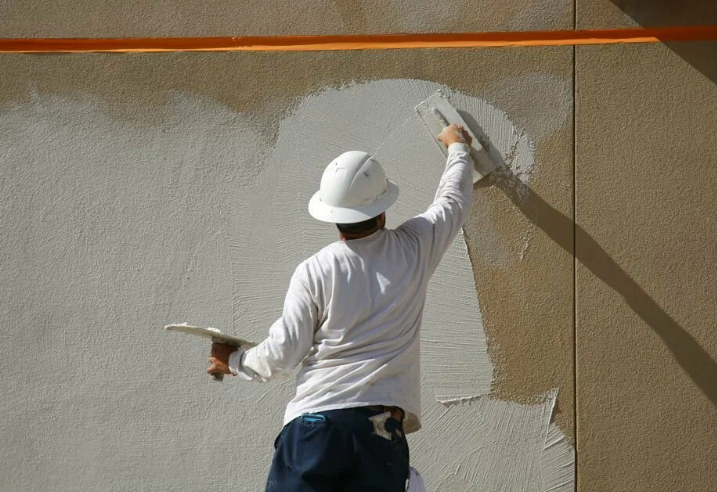
How Stucco Work Protects Your Home Beyond Just Appearance
Many homeowners view the exterior of their residence as a simple aesthetic choice, much like selecting a paint color or a style of shutter. However, the true utility of high-quality stucco work lies in its ability to function as a sophisticated drainage system. When applied correctly, stucco acts as the primary defense in a complex building envelope strategy. It is not merely a solid slab of cement against a wall. Instead, a modern stucco installation incorporates a drainage plane that allows moisture to escape before it ever reaches the wooden framing of the structure. This is critical because water is the primary enemy of structural longevity. Without this protective layer, moisture trapped behind exterior siding can lead to unseen rot, mold growth, and the eventual compromise of the home’s skeletal integrity.
The technical brilliance of a professional stucco application involves the use of weather-resistive barriers and weep screeds. A weep screed is a specialized metal or plastic trim located at the base of the wall that allows trapped water to drain safely away from the foundation. This functionality is often overlooked by those who only appreciate the smooth or textured finish of the material. By managing hydration levels within the wall cavity, stucco ensures that the interior air quality remains high and the structural materials remain dry. This level of protection is particularly vital in regions where rain is frequent and humidity levels fluctuate, as these conditions accelerate the degradation of less resilient materials like wood or vinyl.
Furthermore, the thickness of a traditional three-coat stucco system provides a physical thickness that few other siding options can match. This mass acts as a sacrificial layer against the elements. While wind-blown debris or heavy hail might dent or crack thinner materials, the density of Portland cement and sand creates a hardened shell. This shell absorbs the impact of environmental stressors, ensuring that the sensitive internal components of the wall remain untouched. Investing in this type of exterior finish is essentially a commitment to the long-term health of the building, prioritizing the dry state of the interior over the mere visual appeal of the facade.
Enhancing Structural Fire Resistance Through Mineral Density
Safety is a paramount concern for any property owner, and stucco provides a level of fire protection that is often underestimated. Because stucco is composed of inorganic materials such as cement, lime, and sand, it is inherently non-combustible. In the event of a nearby fire, the exterior of a home serves as the first line of defense against heat transfer and ignition. A standard one-inch thick layer of stucco can provide a one-hour fire rating, which means it can withstand exposure to fire for sixty minutes before the heat begins to threaten the structural studs behind it. This window of time is often the difference between a manageable incident and a total loss of property.
The chemistry of stucco is what makes it such a formidable opponent to flames. Unlike wood siding, which acts as fuel, or vinyl siding, which can melt and release toxic fumes at relatively low temperatures, stucco remains stable. It does not ignite, and it does not contribute to the spread of a fire. This fire-resistive quality is especially beneficial for homes built in close proximity to one another, where a fire in a neighbor’s yard could easily jump to an adjacent structure. By encasing a home in a mineral-based shell, the owner creates a literal firewall that protects the occupants and their belongings from the devastating effects of thermal energy.
This protection extends to the insurance realm as well. Many insurance providers recognize the reduced risk associated with non-combustible building materials. A home wrapped in stucco is statistically less likely to suffer total fire destruction compared to a home with flammable siding. This inherent safety feature is a functional benefit that goes far beyond the “curb appeal” typically discussed in real estate circles. It provides peace of mind that the home is not just a beautiful structure, but a fortified sanctuary designed to withstand the most extreme conditions.
Thermal Regulation and the R-Value of Multi-Layered Systems
Energy efficiency is a frequent topic of discussion among those looking to reduce their carbon footprint and their monthly utility bills. Stucco plays a significant role in this area by contributing to the overall R-value of the wall assembly. The R-value measures a material’s resistance to heat flow. While a single layer of stucco is not a substitute for high-quality fiberglass or spray foam insulation, it works in tandem with these materials to create a more airtight and thermally stable environment. The seamless nature of a stucco application is key here. Unlike lap siding, which has numerous gaps and overlaps where air can infiltrate, stucco forms a continuous monolithic coat over the entire surface of the building.
This continuity minimizes air leakage, which is one of the leading causes of energy loss in residential structures. During the sweltering summer months, the mass of the stucco reflects a significant portion of solar radiation and slows the transfer of heat into the living spaces. Conversely, during the winter, the thick exterior shell helps retain the warmth generated by the heating system. This thermal mass effect helps regulate the internal temperature, reducing the strain on HVAC systems and leading to a more comfortable living environment year-round.
When considering the long-term financial implications of home ownership, the energy savings provided by stucco become a clear advantage. The reduction in energy consumption not only lowers bills but also extends the lifespan of the furnace and air conditioning units by reducing their workload. This functional utility makes stucco a smart choice for those who value efficiency as much as aesthetics. The material is essentially working every hour of every day to maintain a stable climate inside the home, providing a level of passive temperature control that thinner, less dense materials simply cannot offer.
Resilience Against Regional Climate Shifts and Surface Fatigue
Every geographic region presents its own set of challenges for a building’s exterior. In areas where the freeze-thaw cycle is a regular occurrence, materials must be able to expand and contract without failing. This is where the expertise of stucco contractors philadelphia pa becomes invaluable, as they understand the specific pressures that humidity and temperature swings place on a facade. Stucco is a breathable material, meaning it allows water vapor to pass through its pores. This breathability is essential for preventing the buildup of internal pressure that can lead to delamination or large-scale cracking.
The durability of stucco in the face of diverse weather conditions is rooted in its application process. A proper installation includes expansion joints that are strategically placed to handle the natural movement of the building. Buildings are not static objects; they shift with the ground and settle over time. Stucco systems are designed to accommodate this movement through the use of specialized lath and flexible additives in the finish coat. This flexibility ensures that the protective shell remains intact even as the environment around it changes.
Moreover, stucco is highly resistant to the fading and degradation caused by ultraviolet light. Many synthetic siding materials become brittle and lose their color after years of sun exposure. Stucco, being a cementitious product, maintains its structural integrity and color for decades. It does not warp under intense heat or become brittle in extreme cold. This resilience means that the home remains protected from the elements with very little intervention required from the homeowner. The longevity of the material ensures that the protective qualities of the installation are preserved for the entire life of the structure.
Acoustic Insulation and the Reduction of Urban Noise Pollution
A home should be a quiet refuge from the outside world, yet many modern building materials fail to block out the sounds of traffic, construction, or noisy neighbors. Stucco provides a surprising functional benefit in the form of superior sound dampening. The sheer density and weight of the material act as an effective acoustic barrier. Sound waves are vibrations, and those vibrations have a much harder time passing through a thick layer of cement and lime than they do through thin wood or hollow vinyl. This makes stucco an excellent choice for homes located near busy intersections, airports, or industrial zones.
The multi-layered approach of a stucco system, including the scratch coat, brown coat, and finish coat, creates multiple barriers for sound to penetrate. Each layer has a slightly different density, which helps to scatter and absorb different frequencies of noise. When combined with modern windows and interior insulation, a stucco exterior can drastically reduce the decibel level inside the home. This leads to a more peaceful environment, which has been linked to lower stress levels and better sleep quality for the inhabitants.
This acoustic protection is another example of a benefit that is felt rather than seen. While a passerby might admire the elegant texture of a Mediterranean-style home, the people inside are enjoying the quiet stillness that only a dense exterior shell can provide. This functional advantage adds a layer of luxury to the home that is purely practical in nature. It transforms the residence into a private sanctuary where the chaos of the outside world is muffled and kept at a distance, further proving that stucco is about much more than just a pretty face.
Preserving Wall Cavity Integrity via Advanced Lath Engineering
At the heart of every durable stucco installation is the lath, the metal mesh or specialized backing that holds the wet plaster in place until it cures. The engineering of this internal support system is what prevents the stucco from sagging or separating from the wall. A professional lath installation involves carefully overlapping the mesh and securing it with specialized fasteners that can withstand the weight of the cement. This internal skeleton provides the tensile strength that the cementitious material lacks on its own. It is a marriage of compressive strength from the stone-like plaster and tensile strength from the metal lath.
Modern advancements in lath technology have introduced self-furring mechanisms that ensure the mesh is slightly offset from the wall. This allows the first coat of stucco to wrap completely around the lath, embedding it in the center of the material. This encapsulation protects the metal from corrosion and ensures a mechanical bond that can last for over half a century. Without this level of engineering, the exterior of a home would be prone to large cracks and structural failure. The precision required during this phase of construction is what separates a professional job from a temporary fix.
By ensuring that the lath is properly installed, contractors protect the home from the stresses of gravity and wind. A well-constructed stucco wall can withstand hurricane-force winds and the constant vibration of nearby heavy machinery. This structural reinforcement adds to the overall stability of the building, making it a more robust and resilient structure. The complexity of this hidden system is a testament to the fact that stucco is a high-performance engineering solution disguised as a decorative finish.
Mastering the Art of Exterior Remediation and Restoration
Maintaining the integrity of a building’s exterior requires a deep understanding of moisture management and material compatibility. In many cases, older homes suffer from outdated installation techniques that did not account for modern building science. This is where specialized remediation services become essential. Instead of simply covering up problems with a new coat of paint, a thorough restoration involves identifying the root cause of moisture intrusion. This often means removing damaged sections, inspecting the underlying substrate, and installing a new, high-performance drainage system that meets current standards.
Professional remediation focuses on more than just the surface level. It involves moisture testing to ensure that no hidden rot is festering behind the walls. By utilizing advanced tools and decades of experience in the Philadelphia and South Jersey regions, experts can revitalize a failing facade and turn it into a long-term asset. Whether the project involves traditional hard-coat stucco or modern synthetic finishes, the goal is always to create a seamless, water-tight barrier that protects the home for the next generation. These services are particularly crucial for properties that have been poorly maintained or were originally built during the era of EIFS (Exterior Insulation and Finish Systems) failures.
A dedicated approach to craftsmanship means focusing on the details that others might miss, such as the flashing around windows and the proper sealing of expansion joints. By prioritizing these functional elements, a restoration project ensures that the home remains dry, safe, and energy-efficient. The focus is on providing a comprehensive solution that addresses both the structural needs and the aesthetic desires of the homeowner. High-quality restoration work is an investment in the longevity of the property, ensuring that it remains a source of pride and protection for many years to come.
Conclusion
The decision to choose a stucco exterior for a home is often driven by its classic beauty and architectural versatility. However, as explored throughout this discussion, the true value of the material is found in its multi-layered protection against fire, moisture, and noise. By acting as a dense, non-combustible shield and an efficient thermal regulator, stucco provides a level of security that many other siding options simply cannot match. It is a functional investment that pays dividends in lower energy costs and reduced maintenance over the decades.
When homeowners look beneath the surface, they find a complex system of lath and plaster designed to manage water and withstand the pressures of a changing climate. The expertise required to install and maintain these systems is significant, ensuring that the structural integrity of the building remains uncompromised. Whether through the prevention of mold or the dampening of urban noise, the practical benefits of this exterior finish contribute to a healthier and more peaceful living environment.
The longevity of a residence depends on the quality of its protective envelope. A professional application of Stucco ensures that the home is prepared for whatever the environment may bring. By prioritizing these functional aspects over mere appearance, property owners can rest assured that their sanctuary is built on a foundation of durability and safety. The enduring nature of this material makes it a cornerstone of high-quality construction, blending art and science into a singular, protective shell.
Related Posts
Plumbing Services in NorthEast Georgia Cities Boom as Top Providers Expanding Best Services
In Toccoa, Georgia, residents commonly face plumbing issues such as clogged drains, leaky pipes, low water pressure, and water heater failures. The plumbing services Toccoa also addresses the trouble of frozen pipes during winter, as it can lead to costly bursts if not managed. Toccoa, as the Stephens County seat, is located in the foothills of the Blue Ridge M

Paradeplatz Botox: Redefining Expression With Precision and Confidence
Introduction: Beyond Wrinkles Botox is often misunderstood as a tool for erasing time. Paradeplatz Botox, however, is less about hiding age and more about enhancing natural expression. It’s a subtle art of precision, allowing your face to convey confidence, calm, and vitality—without losing the uniqueness of your features. It’s not about looking different

Book Trusted Couples Therapy Near Me to Fix Your Spark
Relationships are a lot like gardens. When you first plant them, everything is bright, green, and full of life. You feel that “spark” every time you see your partner. But over time, weeds grow. Life gets busy. The sun beats down, and sometimes you forget to water the soil. Eventually, you look around and realize the garden doesn’t look the way

Used Car for Sale in Lahore – Smart Buyer’s Guide (2026)
Finding the perfect used car for sale in Lahore doesn’t have to be stressful. With the right approach, proper research, and trusted platforms, you can make a confident purchase. Lahore offers a wide variety of vehicles for every type of buyer—from budget-friendly options to premium cars. The key is to stay informed, inspect carefully, and avoid common mista
Leave a Reply