


The story behind Comme des Garcons unique designs
When discussing avant-garde fashion, few names stand out as boldly as Comme des Garçons. Known for challenging traditional aesthetics, the brand has built a reputation for creating pieces that blur the line between fashion and art. But what truly lies behind these unconventional designs? This article takes a deeper look at the philosophy, inspiration, and craftsmanship that define Comme des Garçons.
The Vision of Rei Kawakubo
At the heart of https://commedesgarçons.com/ is its founder, Rei Kawakubo, a designer who has consistently defied industry norms. Unlike many designers who follow seasonal trends, Kawakubo approaches fashion as a form of self-expression and intellectual exploration. Her work often rejects symmetry, perfection, and traditional beauty standards, favoring abstraction and imperfection instead.
Breaking the Rules of Fashion
One of the defining aspects of Comme des Garçons is its refusal to conform. From asymmetrical cuts to unfinished hems, the brand intentionally disrupts what is considered “normal” in fashion. These rule-breaking elements are not accidental—they are deliberate choices meant to provoke thought and challenge expectations.
The Influence of Japanese Aesthetics
Comme des Garçons draws heavily from Japanese cultural concepts such as “wabi-sabi,” which embraces imperfection and transience. This philosophy is reflected in the brand’s use of distressed fabrics, irregular shapes, and muted color palettes. The result is clothing that feels deeply artistic and culturally rooted.
Experimental Silhouettes and Shapes
One of the most recognizable features of Comme des Garçons fashion pieces is their unconventional silhouettes. Oversized forms, exaggerated proportions, and sculptural designs transform garments into wearable art. These shapes often redefine how clothing interacts with the human body.
The Use of Unconventional Materials
Comme des Garçons frequently experiments with materials that are not traditionally associated with fashion. From layered textiles to synthetic blends and textured fabrics, the brand explores new ways to create depth and dimension. This approach adds a tactile quality to each piece, making them visually and physically unique.
The Power of Monochrome and Bold Colors
While many collections lean toward monochrome palettes—especially black—Comme des Garçons also embraces bold and unexpected colors. The contrast between simplicity and vibrancy allows the brand to create striking visual statements that capture attention without relying on conventional beauty.
Concept-Driven Collections
Every Comme des Garçons collection tells a story. Rather than focusing solely on wearability, the brand often builds collections around abstract themes or emotions. These concepts can range from identity and rebellion to fragility and transformation, giving each piece a deeper meaning.
The Role of Deconstruction
Deconstruction is a key technique used by Comme des Garçons. Garments are often taken apart and reassembled in unconventional ways, exposing seams, linings, and structural elements. This approach not only challenges traditional craftsmanship but also highlights the construction process itself.
Global Impact and Cultural Influence
Comme des Garçons has had a profound influence on the global fashion industry. Its daring designs have inspired countless designers and reshaped the way people perceive fashion. The brand’s impact extends beyond clothing, influencing art, culture, and even philosophy.
Why Comme des Garçons Remains Timeless
Despite its unconventional approach, Comme des Garçons continues to remain relevant. Its focus on creativity, individuality, and artistic expression ensures that it never feels outdated. Rather than chasing trends, the brand sets its own direction, making each collection a timeless statement.
Conclusion
The story behind Comme des Garçons’ unique designs is one of innovation, rebellion, and artistic vision. By challenging norms and embracing imperfection, the brand has created a legacy that goes far beyond fashion. Each piece is not just clothing—it is a conversation, a statement, and a work of art.
Related Posts

Stay Stylish This Spring with Comme des Garçons and SP5DER Apparel
Spring 2026 brings a renewed focus on versatility, comfort, and expressive streetwear, where contrasting aesthetics define modern style. The combination of Comme des Garçons and SP5DER offers a distinctive approach to seasonal dressing, blending refined minimalism with bold graphic energy. Comme des Garçons delivers structured silhouettes and understated tone

Chrome Heart Stylish Hoodie Paired with Comme Des Garçons Clothing Outfits
Modern streetwear increasingly thrives on the interplay of contrasting design philosophies, and pairing a Chrome Hearts hoodie with Comme des Garçons clothing exemplifies this evolution. Chrome Hearts brings bold gothic motifs, premium craftsmanship, and visually dominant aesthetics, while Comme des Garçons contributes experimental silhouettes and conceptual
Comme des Garcons Japan: Redefining Fashion with Unique Expression
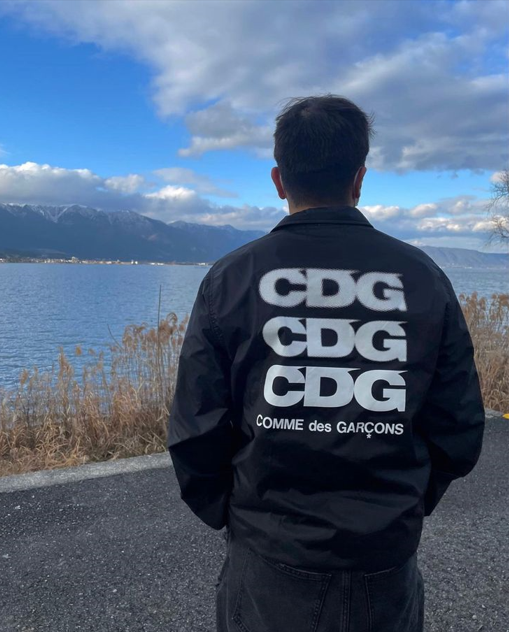
When it comes to avant-garde fashion, few brands capture attention like Comme des Garcons Japan. Founded by the visionary designer Rei Kawakubo, the brand has continually challenged traditional fashion norms, merging art and clothing into wearable statements. Known for unconventional silhouettes, layered textures, and distinctive motifs, CDG Japan has earned a
Leave a Reply