

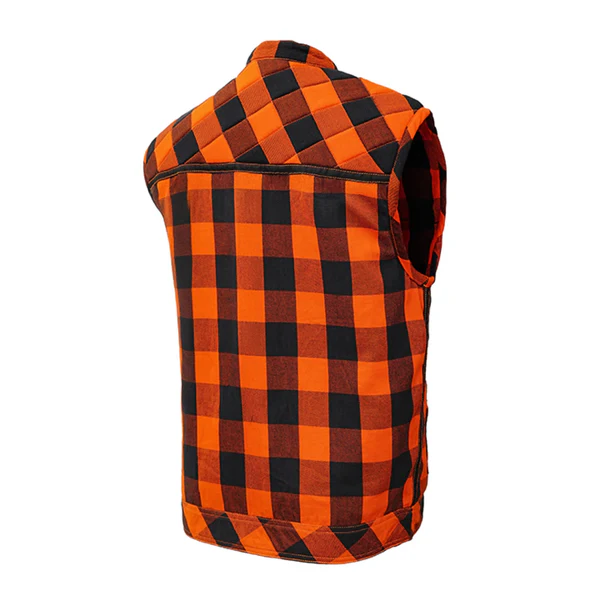
The Importance of Fit in Motorcycle Safety Gear
In the motorcycle apparel and protective gear industry, proper fit is widely recognized as one of the most critical determinants of rider safety, comfort, and performance. Motorcycle safety equipment is designed not only to provide abrasion resistance but also to ensure that protective components remain correctly positioned during impact or sliding incidents. A poorly fitted garment can significantly reduce the effectiveness of even the most advanced protective materials.
Within this context, items such as a textile motorcycle vest and leather chaps for men play a vital role in a rider’s overall protective system. The importance of fit extends beyond aesthetics or comfort; it directly influences injury prevention, gear durability, and rider control. This article examines the technical and practical importance of proper fit, supported by established industry practices and real-world applications, particularly within professional motorcycle gear markets such as those studied in Baltimore, USA.
Understanding Fit in Motorcycle Safety Gear
Fit in motorcycle safety gear refers to how securely and ergonomically apparel conforms to the rider’s body while maintaining mobility and protection integrity. Unlike casual clothing, motorcycle gear must remain stable under high-speed airflow, vibration, and impact conditions.
A properly fitted textile motorcycle vest ensures that armor inserts (if present) remain aligned with the chest and spine. Similarly, lower-body protective gear such as leather chaps for men must remain snug enough to prevent movement yet flexible enough to allow safe riding posture.
Key parameters of proper fit include:
- Snugness without restriction of movement
- Correct alignment of armor or reinforcement zones
- Stability under wind pressure at highway speeds
- Compatibility with layered clothing systems
Why Proper Fit Matters in Motorcycle Safety Performance
Impact Protection and Energy Transfer
Motorcycle protective gear is engineered to distribute impact forces across reinforced zones. If gear is too loose, it can shift during a crash, leaving vulnerable areas exposed. If too tight, it may restrict circulation or limit rider mobility, increasing fatigue and reducing reaction time.
Proper fit ensures that protective padding and abrasion-resistant materials remain in optimal positions during sliding events, which is a key consideration in safety testing standards such as CE-certified PPE for motorcycle clothing (EN 17092).
Abrasion Resistance Efficiency
Materials like leather and high-denier textiles are designed to withstand road abrasion. However, loose gear can “roll” or twist during a slide, exposing unprotected skin. This is particularly relevant for garments such as a textile motorcycle vest, where torso coverage must remain stable.
Rider Control and Fatigue Reduction
Poorly fitted gear can interfere with throttle control, posture, and balance. Over time, this increases fatigue, especially on long rides. A properly fitted system enhances ergonomics and reduces unnecessary muscular strain.
Components of Proper Fit in Motorcycle Apparel Systems
Motorcycle safety gear operates as a system rather than isolated pieces. Each component must work in coordination:
- Upper body protection: jackets, vests, and armored layers
- Lower body protection: pants, riding jeans, and chaps
- Extremity protection: gloves and boots
A textile motorcycle vest, for example, must integrate seamlessly with jackets or base layers without bunching or restricting shoulder movement. Likewise, lower-body protection must remain stable under seated riding posture and during foot placement at stops.
Textile Motorcycle Vest Fit Considerations
The textile motorcycle vest has become increasingly popular due to its lightweight structure and modular design. However, its effectiveness depends heavily on fit precision.
Key Fit Requirements
- Chest snugness without compression of breathing
- Armhole clearance for unrestricted steering movement
- Length coverage to protect the lower torso when seated
- Secure fastening systems (zippers, Velcro, or buckles)
In professional gear assessments, even minor looseness in a vest can reduce protective alignment by several centimeters during motion, which is significant in crash scenarios.
Leather Chaps for Men Fit and Functional Integrity
Lower-body protection plays a critical role in preventing abrasion injuries, particularly in high-risk sliding incidents. Properly fitted chaps ensure that the rider’s legs remain protected without restricting knee articulation or seated comfort.
A well-designed fit system ensures that reinforcement panels align correctly with the thighs and knees while allowing airflow and flexibility. In this category, riders often evaluate adjustability, belt systems, and thigh contouring for long-distance stability.
One widely used reference for lower-body motorcycle apparel is
leather chaps for men, which highlights the importance of correct sizing and ergonomic design in protective riding gear.
Real-World Applications and Industry Practices
In professional motorcycle gear evaluation environments, including design and testing hubs across the United States such as Baltimore’s apparel manufacturing and research sector, fit testing is a standard part of product validation.
Real-world applications show that:
- Riders in urban environments require flexible but secure gear for stop-and-go conditions
- Highway riders prioritize aerodynamic stability and reduced fatigue
- Touring riders depend on layered systems, where each layer must maintain structural alignment
Field observations consistently show that improper fit is a leading contributor to reduced gear effectiveness, even when high-quality materials are used.
Expert Insights and Best Practices
Industry experts and protective gear designers emphasize several best practices for achieving optimal fit:
- Pre-ride adjustment checks: Ensuring all straps, closures, and fasteners are secured
- Layer compatibility testing: Verifying that inner and outer garments do not interfere
- Dynamic fit evaluation: Testing gear in riding posture rather than standing position
- Material break-in awareness: Recognizing that leather and textile materials adjust over time
These methodologies are effective because they account for real-world riding conditions rather than static measurements alone. Safety organizations such as the National Highway Traffic Safety Administration (NHTSA) also emphasize the importance of properly fitted protective equipment in reducing injury severity.
Common Mistakes and Misconceptions
Overestimating Loose Fit Comfort
Many riders believe looser gear increases comfort, but excessive looseness reduces protective alignment and increases drag.
Ignoring Riding Position Fit
Gear may fit well while standing but shift significantly when seated. This is particularly relevant for textile motorcycle vest systems.
Assuming One-Size Safety
Protective gear is not universally adaptable; body geometry differences require precise sizing.
Neglecting Layer Interaction
Improper layering can cause bunching, especially under armored jackets or chaps.
Conclusion
The importance of fit in motorcycle safety gear is a foundational principle in protective apparel design and rider safety strategy. Whether evaluating a textile motorcycle vest or lower-body protection such as leather chaps for men, proper fit determines whether protective systems perform effectively under real-world conditions.
Across industry research, field testing, and safety standards, the evidence consistently shows that fit is as critical as material selection. Properly fitted gear enhances abrasion resistance, maintains armor alignment, reduces fatigue, and ultimately plays a decisive role in minimizing injury severity during accidents.
FAQs
Why is proper fit more important than material quality in motorcycle gear?
Proper fit ensures that even high-quality materials function as intended during impact or abrasion. Poor fit can render advanced materials ineffective by misaligning protective zones.
How should a textile motorcycle vest fit for maximum protection?
It should fit snugly around the torso without restricting breathing or shoulder movement, and remain stable during riding posture changes.
What risks are associated with loose motorcycle gear?
Loose gear can shift during accidents, exposing skin to abrasion and reducing the effectiveness of armor placement.
Can tight motorcycle gear reduce safety?
Yes, overly tight gear can restrict circulation, reduce flexibility, and impair rider reaction time.
How often should motorcycle gear fit be reassessed?
Fit should be reassessed periodically, especially after weight changes, material break-in, or gear replacement.
Are leather chaps for men adjustable for different body types?
Most modern designs include adjustable straps and sizing systems to accommodate varying leg shapes and riding preferences.
Why is riding posture important when assessing gear fit?
Because motorcycle riding changes body positioning, gear must be tested in seated and dynamic riding conditions to ensure stability.
Related Posts
Situs Nova88: Judi Bola Online dengan Odds Kompetitif
Dalam dunia perjudian daring, judi bola online menjadi salah satu jenis permainan yang paling diminati oleh banyak pecinta olahraga dan penggemar taruhan. Salah satu situs yang sedang naik daun dan banyak direkomendasikan adalah Nova88. Situs ini dikenal karena menawarkan pengalaman taruhan bola yang seru, aman, dan tentunya dengan odds kompetitif yang mampu

Advanced Metal and Gold Detection Technology in Dubai
Modern industries are rapidly adopting intelligent underground detection systems that can locate metals, minerals, and hidden structures with high accuracy and efficiency. These technologies are widely used in construction, archaeology, security, and mining where precision and reliability are essential for safe and successful operations. In this advanced sector

Movie Leather Jackets USA – Iconic Fashion Inspired by Hollywood
The demand for movie leather jackets usa has grown rapidly as fashion lovers continue to take inspiration from Hollywood films and iconic characters. These jackets are not just outfits; they represent attitude, confidence, and a connection with cinematic culture. From action heroes to stylish protagonists, leather jackets seen in movies often become timeless fa

Discover the Best Biryani in Bangalore for Every Craving
Biryani isn’t just food—it’s an emotion for millions of Indians. From its royal origins to modern-day comfort meals, biryani continues to win hearts across cities. If you’re on a hunt for the Best Biryani in Bangalore, you’ll find countless options—but only a few truly deliver authentic taste and freshness. One name that consistently stands out is B
Leave a Reply