

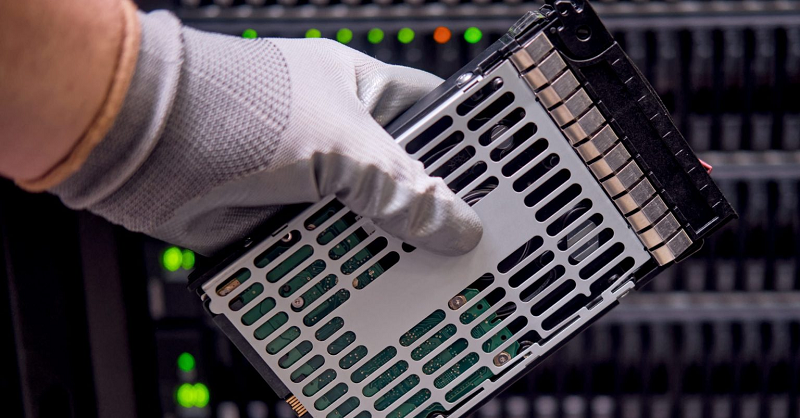
RAID Data Recovery Explained: Costs, Value, and Is It Really Worth It?
In today’s digital age, organizations and individuals rely heavily on data storage systems to store and manage valuable information. However, data loss is a reality that can strike at any moment, potentially causing major disruptions and financial loss. To mitigate this risk, many opt for RAID data recovery solutions. But is RAID data recovery truly worth the investment, and what does it cost? Let’s explore the importance of RAID data recovery, its benefits, and the factors that determine the cost.
Understanding RAID Data Recovery
RAID (Redundant Array of Independent Disks) is a data storage technology that combines multiple hard drives into a single logical unit to improve performance, reliability, and capacity. RAID configurations come in various levels, including RAID 0, RAID 1, RAID 5, RAID 6, and more. While RAID offers enhanced data protection, it is by no means foolproof.
RAID data recovery is the process of restoring data from failed or corrupted RAID arrays. It involves complex techniques, specialized equipment, and expert knowledge to extract data from damaged drives. This recovery process can be time-consuming and challenging, leading individuals and organizations to seek professional assistance.
The Importance of RAID Data Recovery
When a RAID array fails, the consequences can be severe, especially for businesses that rely on critical data for daily operations. Data loss can result from hardware failures, human errors, power surges, natural disasters, or malicious attacks. Without a robust data recovery solution, recovering lost data can be a laborious and tedious task.
RAID data recovery plays a crucial role in minimizing downtime and ensuring business continuity. It not only allows for the retrieval of valuable information but also helps prevent potential financial loss, regulatory non-compliance, and damage to a company’s reputation. Investing in a reliable RAID data recovery solution can save organizations from the enormous costs associated with data loss.
The Benefits of RAID Data Recovery
Data recovery success: RAID data recovery specialists employ advanced techniques to salvage data from failed or damaged RAID arrays. With their expertise, they can often recover a significant portion, if not all, of the lost data.
Reduced Downtime: Data loss incidents can lead to extended periods of downtime, impacting productivity, revenue, and customer satisfaction. RAID data recovery services prioritize quick recoveries, minimizing the disruption caused by data loss.
Preserve Data Integrity: Expert data recovery professionals ensure that retrieved data remains intact and unaffected during the recovery process. This ensures the accuracy and reliability of important information.
Increased Chances of Recovery: RAID data recovery specialists have access to state-of-the-art technology and tools specifically designed for restoring data from RAID arrays. These resources significantly increase the chances of successful data recovery.
Factors Influencing the Cost of RAID Data Recovery
The RAID data recovery cost can vary widely depending on several factors:
RAID Configuration: The complexity of the RAID array affects the cost. Higher RAID levels and more intricate configurations often require more time and effort to recover data, resulting in higher costs.
Extent of Damage: The severity of the damage to the RAID array impacts the cost. Physical damage, logical corruption, or a combination of both can significantly increase the complexity of the recovery process and thus the cost.
Urgency of Recovery: The time sensitivity of the recovery plays a role in the cost. Emergency or expedited services usually command higher prices due to the need for immediate attention.
Size of the RAID Array: The storage capacity of the RAID array affects the cost. Larger arrays have more data to recover, which requires additional time and resources.
Service Provider: Different data recovery service providers offer varying pricing structures. Factors such as reputation, expertise, facilities, and success rates influence the cost of their services.
Read Also: Everything You Need to Know About RAID Data Recovery
Conclusion
RAID data recovery is a critical investment for individuals and businesses that rely on data availability and continuity. The benefits of RAID data recovery, including successful data retrieval, reduced downtime, and preserved data integrity, make it a worthwhile investment. However, the cost of RAID data recovery can vary based on factors such as RAID configuration, extent of damage, urgency of recovery, size of the RAID array, and service provider.
When considering RAID data recovery, it is essential to evaluate the value of the data being recovered, the potential financial impact of data loss, and the risk tolerance of the organization. Working with reputable data recovery service providers can help ensure a successful recovery while minimizing the long-term costs associated with data loss.
Investing in RAID data recovery is an investment in future peace of mind and continued business operations. By weighing the costs against the value of your data, you can make an informed decision on whether RAID data recovery is worth the investment for your specific needs.
Related Posts

Skilled Tiling Services for a Perfect and Lasting Finish
Tiling is a key part of home design. It protects surfaces and adds elegance to any room. Whether you are renovating your kitchen, bathroom, or living area, professional Residential Tiling Services help create a polished and durable finish. Choosing experienced experts ensures that tiles are installed correctly, last longer, and enhance the overall look of your

Baked Goods Packaging Solutions for Freshness and Safety
Baked goods packaging solutions for freshness and safety are very important for every bakery business. Freshness is what customers expect when they buy cakes, cookies, or bread. Good packaging helps keep food clean, safe, and tasty for a longer time. It also protects items from dust, air, and damage during storage and delivery. When your packaging is strong and

5 Inexpensive SEO Fixes That Instantly Improve Your Local Business Rankings
You typed your own business into Google last week. Your competitor showed up. You didn’t. It’s one of the most frustrating moments a local business owner can experience, especially when you know your service is better, your prices are fair, and your customers love you. The problem isn’t your business. The problem is visibility. Here’s th
Essentials Clothing: The Perfect Blend of Comfort and Modern Style
In today’s fast-moving fashion world, finding clothing that balances comfort, quality, and style can feel like a challenge. That’s where Essentials Clothing stands out. Known for its clean designs and everyday wearability, this brand has quickly become a favorite among people who appreciate simplicity without sacrificing style. Whether you are heading out f
Leave a Reply