


The Comprehensive Guide to Loan Origination System Software: Revolutionizing Modern Lending
The financial landscape has undergone a radical transformation over the last decade, shifting from paper-heavy manual processes to streamlined digital ecosystems. At the heart of this evolution lies loan origination system software, a sophisticated technological framework designed to manage the entire lifecycle of a loan from the initial application to the final disbursement. For banks, credit unions, and private lenders, this software is no longer a luxury but a fundamental necessity to remain competitive in a market where speed and accuracy are the primary currencies. Modern borrowers expect a seamless, “Amazon-like” experience when applying for credit, and legacy systems simply cannot keep up with the demand for real-time processing and instant decision-making. By automating complex workflows and integrating with various data providers, these systems allow financial institutions to scale their operations while significantly reducing the margin for human error and operational overhead.
Understanding the Architecture of Modern Lending
To appreciate the value of loan origination system software, one must first understand the intricacies of the lending journey. The process begins with the intake of borrower information, which is then subjected to rigorous verification and credit analysis. In the past, this meant loan officers spent hours, if not days, manually checking credit scores, verifying income documents, and ensuring compliance with ever-changing federal regulations. Today, a robust software solution acts as the central nervous system of the lending department, pulling data automatically from credit bureaus, employment databases, and tax authorities. This high level of connectivity ensures that the data used for decisioning is both current and accurate, which is vital for maintaining a healthy loan portfolio and mitigating risk. Furthermore, these systems provide a centralized repository for all documentation, ensuring that every stakeholder, from the underwriter to the compliance officer, has access to a single version of the truth.
The Evolution of Digital Underwriting
The underwriting phase is perhaps where loan origination system software delivers its most significant impact. Through the use of advanced algorithms and machine learning, lenders can now establish complex decisioning rules that execute in milliseconds. These rules can be tailored to the specific risk appetite of the institution, allowing for automated “auto-approvals” for low-risk applicants while flagging more complex files for manual review. This hybrid approach optimizes human resources, allowing talented underwriters to focus their expertise on high-value or nuanced cases rather than getting bogged down by routine administrative tasks. As the software learns from historical data, it becomes increasingly adept at identifying patterns that might indicate potential default, thereby enhancing the overall stability of the lending institution.
Key Elements and Functional Modules
A truly effective loan origination system software is comprised of several interconnected modules that work in harmony to move a file toward closing. The first of these is the borrower portal, a user-facing interface where applicants can upload documents, check their status, and communicate with their loan officer. This transparency is crucial for modern customer satisfaction. Internally, the software must feature a robust workflow engine that assigns tasks to specific team members and sends automated reminders to ensure that no application sits idle. Another essential element is the document generation engine, which creates legally binding contracts and disclosure forms based on the specific data points of the loan. This reduces the risk of clerical errors that could lead to legal disputes or regulatory fines.
Integration Capabilities and Data Flow
In the modern fintech ecosystem, no software exists in a vacuum. The power of a loan origination system software is often measured by its ability to play well with others. This includes integrations with Core Banking Systems (CBS), Customer Relationship Management (CRM) tools, and third-party valuation services. For instance, when a mortgage application is processed, the system should ideally be able to trigger an appraisal request automatically and pull the resulting report directly into the file. This level of interconnectivity eliminates the “swivel-chair” effect, where employees must manually move data from one application to another, a practice that is both inefficient and prone to errors. Seamless data flow ensures that the financial institution operates as a cohesive unit rather than a collection of siloed departments.
Compliance and Security Infrastructure
Financial data is among the most sensitive information on the planet, making security a paramount concern for any loan origination system software. These platforms must adhere to stringent global standards such as SOC2, GDPR, or CCPA, depending on their jurisdiction. Beyond external threats, internal compliance is equally vital. The software must be programmed to follow the latest lending laws, such as the Truth in Lending Act (TILA) or the Real Estate Settlement Procedures Act (RESPA). By embedding these rules directly into the workflow, the system prevents loan officers from moving forward if a required disclosure hasn’t been sent or if a specific debt-to-income ratio has been exceeded. This “compliance by design” approach saves institutions millions in potential penalties and protects their reputation in a highly regulated industry.
The Designing Process of a Custom Lending Workflow
When an institution decides to implement or upgrade their loan origination system software, the design phase is critical. This is not a “plug-and-play” scenario; rather, it requires a deep dive into the specific operational nuances of the lender. The process usually starts with a comprehensive audit of the current state of affairs to identify bottlenecks and pain points. From there, stakeholders map out the “ideal state” workflow, determining which steps can be fully automated and which require human intervention. It is at this stage where customization becomes key. A commercial lender will have vastly different needs than a payday lender or a mortgage broker. Designing the system involves creating custom data fields, setting up specific user permissions, and tailoring the communication templates to match the brand’s voice.
User Experience for Both Borrowers and Staff
A common mistake in the design of loan origination system software is focusing solely on the back-end functionality while neglecting the user experience (UX). If the interface is clunky or unintuitive, adoption rates among staff will plummet, and borrowers may abandon their applications midway through the process. The goal should be to create a frictionless path. For the borrower, this means mobile-responsive designs, clear progress indicators, and the ability to save their work and return later. For the staff, it means a clean dashboard that highlights urgent tasks and provides a clear overview of the pipeline. High-quality UX design reduces the “cognitive load” on users, leading to faster processing times and fewer mistakes caused by frustration or confusion.
Implementation Costs and ROI Considerations
The cost of loan origination system software can vary wildly depending on the deployment model and the scale of the institution. Historically, many banks relied on “on-premise” solutions which required significant upfront investment in hardware and a dedicated IT team for maintenance. Today, the industry has largely shifted toward Software as a Service (SaaS) models. This cloud-based approach allows lenders to pay a monthly subscription or a “per-funded-loan” fee, making high-end technology accessible even to smaller community banks. While the initial setup and licensing fees can be substantial, the return on investment is usually seen through increased loan volume without a corresponding increase in headcount. By reducing the “cost to originate,” lenders can offer more competitive rates to their customers while maintaining healthy profit margins.
Long-Term Value and Scalability
When evaluating the price tag of a loan origination system software, it is important to look beyond the initial invoice. One must consider the long-term value of scalability. A system that works for 100 loans a month might break down when the institution grows to 1,000 loans a month. Scalable software allows for the easy addition of new loan products—such as moving from personal loans into auto lending—without needing to overhaul the entire technological stack. Furthermore, the data collected by these systems over time becomes an invaluable asset for business intelligence. By analyzing trends in their origination data, lenders can identify which marketing channels are producing the best leads and which demographic segments are the most profitable, allowing for more strategic decision-making at the executive level.
Real-World Examples and Market Leaders
There are several prominent players in the market that have set the gold standard for what a loan origination system software should look like. Some platforms focus on the mortgage sector, offering deep integrations with Fannie Mae and Freddie Mac, while others are built for the agility required in the small business lending space. Companies like FICS have long been recognized for providing specialized solutions that cater to the specific needs of residential and commercial mortgage services, proving that industry-specific expertise is often a deciding factor for many institutions. These market leaders continue to push the envelope by incorporating artificial intelligence to further refine credit scoring and by utilizing blockchain technology to create immutable records of loan ownership and history.
Lessons from Successful Digital Migrations
Looking at institutions that have successfully transitioned to a modern loan origination system software reveals several common themes. First, they prioritize training. Even the best software is useless if the staff doesn’t know how to leverage its features. Second, they take an iterative approach. Rather than trying to automate every single product line at once, they might start with their most popular loan type to iron out the kinks before rolling it out across the entire organization. This “pilot program” strategy minimizes disruption to the business. Lastly, successful lenders maintain a close relationship with their software vendor, ensuring they stay informed about new updates and features that can further optimize their operations.
Common Mistakes to Avoid During Selection
Choosing the wrong loan origination system software can be a multi-million dollar mistake that takes years to correct. One of the most frequent errors is prioritizing features over functionality. A system might have a flashy interface and hundreds of “bells and whistles,” but if it cannot reliably integrate with the bank’s core processor, it will ultimately fail. Another pitfall is failing to account for the total cost of ownership. Some vendors offer a low entry price but charge exorbitant fees for every small customization or support request. Lenders should also be wary of “closed” systems that make it difficult to export their own data. Data portability is essential for long-term flexibility, as it ensures the lender is not “locked in” to a vendor that may stop innovating or raise prices unfairly.
The Danger of Ignoring the Human Element
While the goal of loan origination system software is automation, the human element remains a vital part of the lending process. A mistake many organizations make is assuming the software will replace the need for skilled loan officers. In reality, the software should empower the staff, not replace them. There will always be complex financial situations that an algorithm cannot fully grasp, and there will always be customers who want to speak to a human being before making a major financial commitment like a mortgage. The best implementations are those where the software handles the mundane data entry and verification, freeing up the human experts to provide personalized advice and build lasting relationships with their clients.
Future Trends in Lending Technology
The future of loan origination system software is undeniably tied to the continued advancement of artificial intelligence and big data. We are moving toward a world of “hyper-personalization,” where loan offers are tailored to the specific real-time financial health of an individual rather than broad credit tiers. We are also seeing a rise in the use of alternative data—such as utility payment history or even social media presence in some markets—to provide credit to the “unbanked” or “underbanked” populations. Additionally, the integration of smart contracts via blockchain could potentially automate the entire servicing and repayment phase, further reducing the friction in the global credit markets. As these technologies mature, the line between traditional banking and fintech will continue to blur, with software sitting at the very center of the experience.
Conclusion: Embracing the Digital Transformation
In conclusion, the adoption of a sophisticated loan origination system software is a defining moment for any financial institution. It represents a commitment to efficiency, accuracy, and superior customer service. While the path to implementation involves significant planning, investment, and cultural shifts within the organization, the rewards are undeniable. By automating the heavy lifting of data collection, underwriting, and compliance, lenders can focus on what they do best: providing the capital that fuels dreams, businesses, and communities. As we look toward a future where financial services are increasingly embedded and instantaneous, those who master the art of digital origination will be the ones who lead the market. The journey toward a fully digital lending office is a marathon, not a sprint, but with the right software partner, the finish line is well within reach.
Related Posts
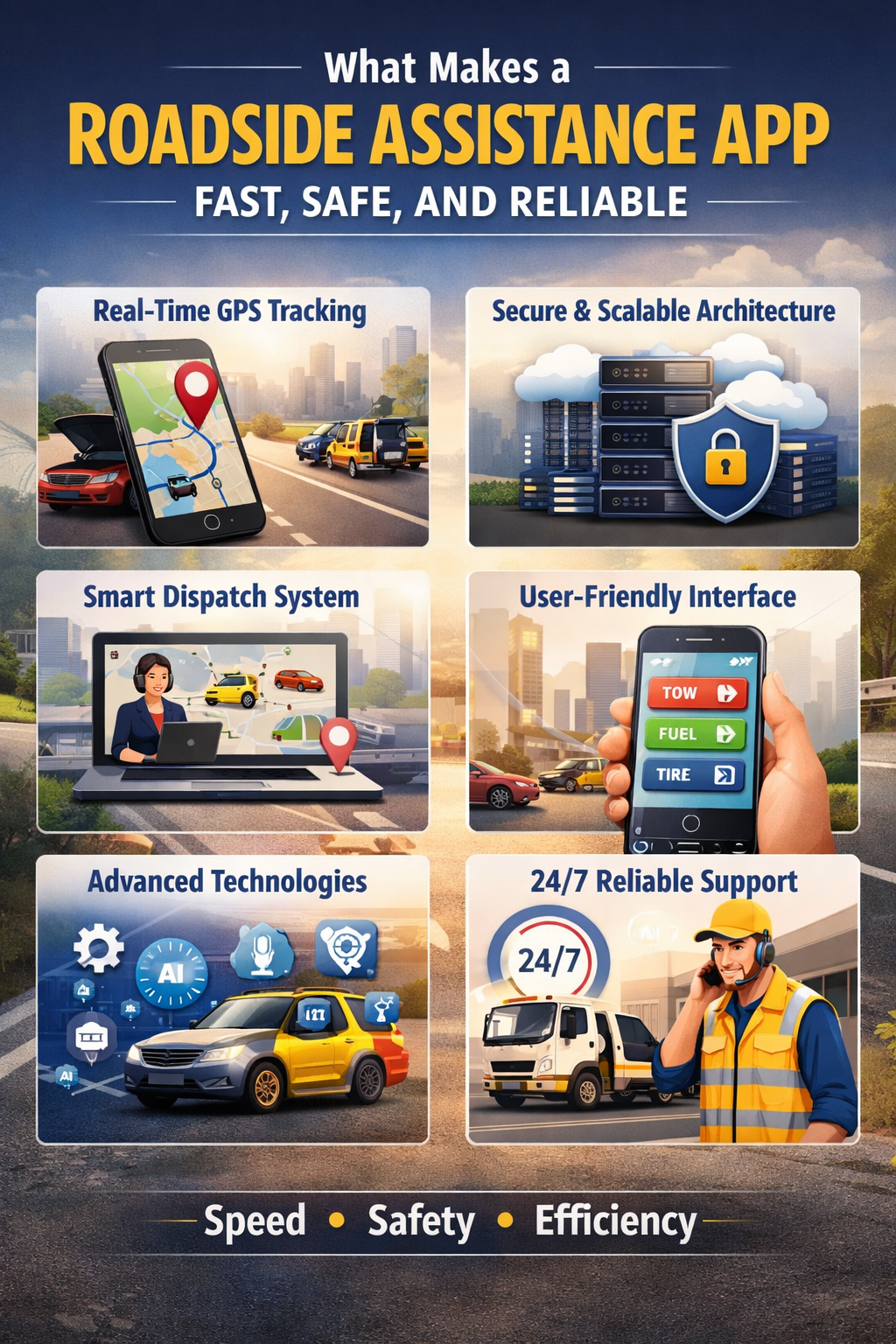
What Makes a Roadside Assistance App Fast, Safe, and Reliable
Modern drivers increasingly depend on digital solutions for quick support during unexpected vehicle breakdowns, accidents, or emergencies. A well-designed application in this space must go beyond basic functionality and deliver speed, reliability, and user safety at every touchpoint. From seamless communication to real-time tracking, these platforms play a crit

Corporate Transportation: The Ultimate Guide for Businesses in 2026
In today’s fast-paced and globally connected business environment, Corporate Transportation has evolved from a simple convenience into a strategic necessity. Whether it’s ensuring timely airport transfers, managing executive travel, or organizing employee commutes, businesses now rely heavily on efficient and reliable transportation systems to maintain prod

Custom Glossy Stickers for Branding & Marketing Impact
One of the most effective and attractively striking branding components in the present day is custom glossy stickers. They are vital to businesses in industries to improve packaging, market products, and warehouse brand recognition. These stickers can be used as an affordable means of expressing the idea of quality and creativity, whether it is a small business
Basement Epoxy Flooring: Transform Your Basement with Durable and Stylish Floors
Basement epoxy flooring has become an increasingly popular choice for homeowners looking to upgrade their basements. Combining durability, aesthetics, and ease of maintenance, epoxy floors offer a practical solution for transforming often underutilized spaces into functional and attractive areas. Whether your basement is used for storage, a home gym, a workshop
Leave a Reply