


Strengthening Bonds Through Relationship Counseling and Marriage Counseling
Healthy relationships require effort, understanding, and consistent communication. In today’s fast-paced world, many couples struggle to maintain emotional connection, resolve conflicts, and build long-term trust. This is where professional guidance becomes valuable. Both relationship counseling and marriage counseling offer structured support to help individuals and couples improve their emotional well-being and strengthen their connections.
Relationship counseling is a form of therapy that focuses on improving interpersonal dynamics between partners, family members, or even close friends. It provides a safe space to express feelings, address misunderstandings, and learn healthier communication patterns. On the other hand, marriage counseling specifically focuses on married couples who are experiencing challenges in their relationship. Whether it is ongoing conflict, lack of communication, or emotional distance, marriage counseling helps couples reconnect and rebuild their partnership.
One of the key benefits of relationship counseling is its ability to improve communication skills. Many conflicts arise not because of the issues themselves, but because of how individuals communicate about them. In relationship counseling, couples learn how to listen actively, express their thoughts without aggression, and understand each other’s perspectives. These skills often extend beyond the therapy room and positively impact other areas of life as well.
Similarly, marriage counseling plays a vital role in helping couples rediscover emotional intimacy. Over time, responsibilities such as work, parenting, and financial pressures can create distance between spouses. Marriage counseling encourages couples to identify the root causes of this disconnect and work together toward rebuilding emotional closeness. Through guided sessions, couples often learn how to express appreciation, resolve conflicts respectfully, and support each other’s emotional needs.
Another important aspect of relationship counseling is conflict resolution. Disagreements are natural in any relationship, but unresolved conflicts can lead to resentment and emotional withdrawal. Relationship counseling helps individuals understand the underlying causes of their disagreements and develop healthier ways to manage them. Instead of avoiding conflict or escalating arguments, couples learn to address issues constructively.
In marriage counseling, conflict resolution is also a central focus. Many married couples face recurring arguments that seem difficult to resolve. A trained counselor helps identify unhealthy patterns and provides tools to break them. For example, couples may learn how to take breaks during heated discussions, use “I” statements instead of blaming language, and focus on finding solutions rather than assigning fault. These techniques can significantly reduce tension and improve marital satisfaction.
Trust is another essential element in any relationship. Relationship counseling often addresses trust issues that may arise due to past experiences, misunderstandings, or emotional wounds. Building or rebuilding trust takes time, patience, and consistent effort. Through counseling, individuals learn how trust is formed, how it is broken, and most importantly, how it can be restored. Open communication and honesty are key components of this healing process.
Marriage counseling also helps couples who are struggling with trust-related issues, such as infidelity or secrecy. In such situations, emotional pain can be intense, and rebuilding the relationship requires guided support. Marriage counseling provides a structured environment where both partners can express their feelings, ask difficult questions, and work toward forgiveness and healing. While not all relationships recover from betrayal, counseling offers a path toward clarity and emotional resolution.
Emotional support is another significant benefit of both relationship counseling and marriage counseling. Many individuals feel isolated when facing relationship challenges, believing they are alone in their struggles. Counseling provides a neutral and supportive environment where both partners feel heard and validated. This emotional support can reduce stress, anxiety, and feelings of helplessness.
In relationship counseling, individuals also gain better self-awareness. Understanding one’s own emotional triggers, communication style, and behavioral patterns is essential for building healthy relationships. Counselors help individuals reflect on their actions and make positive changes that contribute to relationship growth. This self-awareness often leads to improved interactions not only with romantic partners but also with family, friends, and colleagues.
Marriage counseling also encourages personal growth within the context of a committed relationship. Each partner is encouraged to take responsibility for their role in the relationship dynamics. Instead of focusing solely on what the other person is doing wrong, couples learn to reflect on how they can contribute positively to the relationship. This shift in perspective can be transformative for long-term marital success.
Another important outcome of relationship counseling is improved emotional regulation. Many conflicts escalate because individuals react impulsively when emotions are high. Through counseling, couples learn techniques to manage anger, frustration, and sadness in healthier ways. This leads to more thoughtful responses and less reactive behavior during disagreements.
In marriage counseling, emotional regulation is equally important. Married couples often face long-standing issues that can trigger strong emotional responses. Learning how to stay calm during difficult conversations helps prevent unnecessary conflict and promotes constructive dialogue. Over time, this leads to a more peaceful and supportive marital environment.
Relationship counseling also helps couples set realistic expectations. Many relationship problems arise when individuals expect their partner to fulfill all emotional or practical needs. Counseling helps clarify what is realistic and encourages mutual understanding. This reduces disappointment and fosters a more balanced partnership.
Marriage counseling also addresses expectations within marriage, such as roles, responsibilities, and future goals. When couples have different expectations about finances, parenting, or lifestyle choices, conflict can arise. Marriage counseling helps align these expectations and encourages compromise, ensuring both partners feel valued and understood.
Ultimately, both relationship counseling and marriage counseling aim to strengthen emotional connections and promote healthier relationships. While challenges are inevitable in any partnership, seeking professional support can make a significant difference in how couples navigate those challenges. With guidance, commitment, and open communication, relationships can grow stronger, more resilient, and more fulfilling over time.
In conclusion, investing in relationship counseling and marriage counseling is not a sign of weakness, but a step toward emotional growth and stability. These forms of counseling provide valuable tools for communication, conflict resolution, trust-building, and emotional healing. Whether a couple is facing minor disagreements or significant challenges, counseling offers a path toward understanding and reconnection. By embracing support and working together, couples can build stronger, healthier, and more meaningful relationships that stand the test of time.
Related Posts
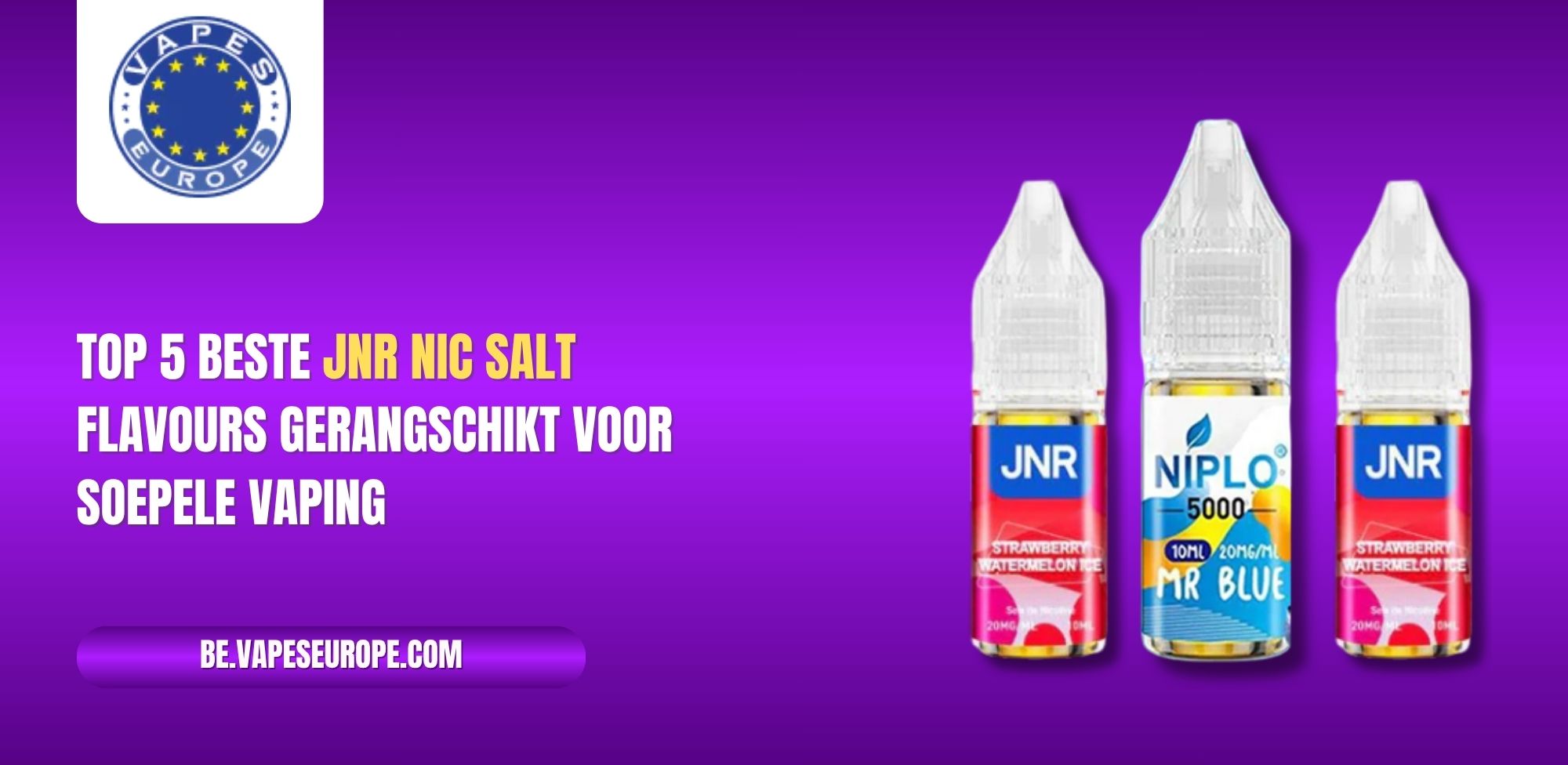
Top 5 beste JNR Nic Salt Flavours gerangschikt voor soepele vaping
Het kiezen van het juiste zout is niet altijd gemakkelijk. Je hebt een sterke hit nodig om je verlangens te bevredigen, maar die harde keelverbranding kan de ervaring verpesten. Dit is waar JNR Liquid opvalt. Het merk is ontworpen rond vlotte vapen, het aanbieden van schone smaken zonder harde additieven en geen vreemde nasmaak. Gewoon een consistente buzz in c

Top Reasons to Invest in Custom Leather Holsters for Everyday Carry
In the world of everyday carry (EDC), the smallest details often make the biggest difference. When it comes to safety, comfort, and performance, custom leather holsters stand out as more than just an accessory; they’re an investment in reliability and style. The Rise of Custom Leather Holsters in Modern EDC The global holster market is expanding rapidly, with

Stand Out with Colored Mailer Boxes: Packaging That Speaks Volumes
In today’s competitive marketplace, packaging is no longer just a protective layer—it’s a powerful branding tool. Businesses that understand the value of presentation are the ones that leave lasting impressions. One of the most effective ways to elevate your packaging game is by using colored mailer boxes. At The Boxology.US, we believe that packaging sho
What is CNLawBlog? A Complete Guide for Beginners
Introduction In today’s digital world, finding reliable legal information online can be challenging. Many websites provide partial or outdated content, leaving readers confused. This is where cnlawblog stands out as a helpful and informative platform. It offers insights into legal topics, updates, and discussions that are useful for both professionals and eve
Leave a Reply