

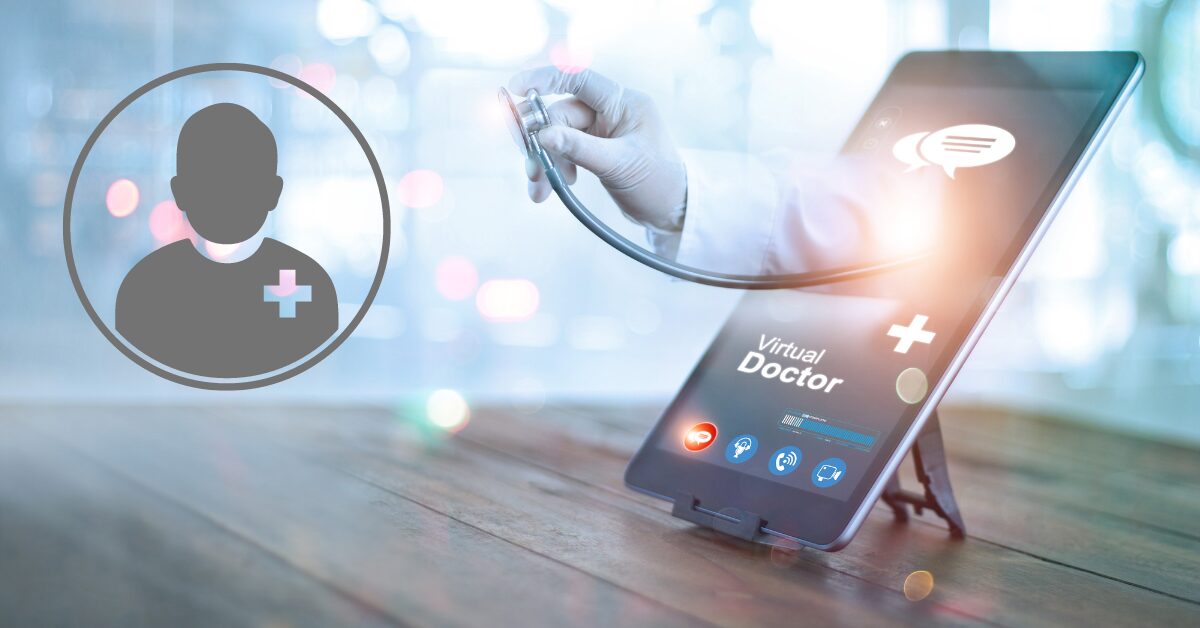
Online Doctor Pakistan: Transforming Healthcare in the Digital Age
In recent years, Pakistan’s healthcare system has undergone a significant transformation with the rise of digital technology. One of the most impactful developments is the emergence of online doctor services, which allow patients to consult qualified medical professionals from the comfort of their homes. The concept of “Online Doctor Pakistan” is reshaping how healthcare is accessed, especially in a country where geographical barriers and limited medical infrastructure can restrict timely care.
Online doctor platforms connect patients with licensed physicians through mobile apps or websites. Services such as Sehat Kahani, Oladoc, and Marham have become increasingly popular. These platforms offer a range of services, including video consultations, appointment booking, digital prescriptions, and access to medical records. Patients can select doctors based on specialty, experience, and patient reviews, making healthcare more transparent and accessible.
One of the primary advantages of online doctor services in Pakistan is convenience. Patients no longer need to travel long distances or wait in crowded clinics to receive medical advice. This is particularly beneficial for people living in rural or underserved areas, where access to qualified doctors can be limited. Through telemedicine, individuals can consult specialists who may otherwise be unavailable in their region.
Affordability is another key benefit. Traditional healthcare visits often involve transportation costs, consultation fees, and time off work. Online consultations are typically more cost-effective and can save both time and money. Many platforms also offer discounted packages or free initial consultations, making healthcare more accessible to low-income populations.
Online doctor services have also proven invaluable during public health emergencies. For example, during the COVID-19 pandemic, telemedicine played a crucial role in reducing the burden on hospitals and minimizing the risk of virus transmission. Patients with mild symptoms could receive guidance remotely, while those with serious conditions were directed to appropriate medical facilities.
Another important aspect is privacy and comfort. Many patients feel hesitant to discuss sensitive health issues in person. Online consultations provide a more private and comfortable environment, encouraging individuals to seek medical advice without fear or embarrassment. This is particularly helpful for mental health consultations, dermatological concerns, and reproductive health issues.
Despite its advantages, online doctor services in Pakistan face certain challenges. One of the main issues is internet accessibility. While urban areas have relatively good connectivity, rural regions may still struggle with stable internet access, limiting the reach of telemedicine. Additionally, digital literacy remains a barrier for some segments of the population, particularly older adults who may not be familiar with using mobile apps or online platforms.
Another concern is the limitation of virtual consultations. While online doctors can diagnose and treat many conditions, certain medical issues require physical examination, laboratory tests, or imaging studies. In such cases, telemedicine serves as a first step rather than a complete solution. Patients may still need to visit a healthcare facility for further evaluation.
Regulation and standardization are also important considerations. Ensuring that online platforms maintain high standards of care, protect patient data, and employ qualified professionals is essential for building trust. The government and healthcare authorities in Pakistan are gradually working toward establishing guidelines and policies to regulate telemedicine services effectively.
The future of online doctor services in Pakistan looks promising. With increasing smartphone usage, improved internet infrastructure, and growing awareness of digital health solutions, more people are likely to adopt telemedicine. Integration with electronic health records, AI-based diagnostics, and wearable health devices could further enhance the efficiency and accuracy of online consultations.
Moreover, telemedicine has the potential to bridge the gap between urban and rural healthcare systems. By connecting remote communities with experienced doctors in major cities, it can significantly improve health outcomes and reduce disparities in healthcare access. Educational initiatives and awareness campaigns can also help people understand how to use these services effectively. In conclusion, “Online Doctor Pakistan” represents a major step forward in making healthcare more accessible, affordable, and efficient. While challenges such as internet access and regulatory frameworks remain, the benefits of telemedicine far outweigh its limitations. As technology continues to evolve, online doctor services are set to become an integral part of Pakistan’s healthcare system, ensuring that quality medical care is within reach for everyone.
Related Posts

Why Fashion Lovers Choose the Stüssy Hoodie
The Stussy hoodie traces its roots back to the early days of streetwear culture in the 1980s. Originally associated with surf culture in California, the brand quickly expanded into skate and hip-hop communities. The hoodie became one of the most recognizable items because it combined comfort with bold design. Its simple structure allowed the brand’s iconic lo
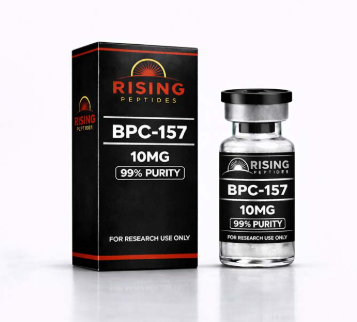
Buy BPC 157 Peptide Online – Premium Quality & Fast Shipping
Introduction Finding a reliable source for research compounds can feel like navigating a crowded, uncertain space. That’s where BPC 157 peptide online options from trusted suppliers stand out. When quality, consistency, and handling standards actually matter, every small detail—from sourcing to packaging—becomes important. The product page from Rising Pep

Cash for Gold in Noida Sector 18 – Get Instant Payment at Best Rates
Want to sell gold in Noida Sector 18 with full confidence and the highest price? Cashfor Gold & Silverkings Private Limited is your trusted company who convert your idle jewelry, ornaments, and other valuables into cash on your demand. We are aware that selling valuable items is a delicate choice; that’s why we are concerned with the visibility, fair asse

Common Projects That Build Confidence Quickly
Confidence is not something people are simply born with—it is built through action, progress, and small wins. One of the fastest ways to boost confidence is by working on simple projects that allow you to see real results. These projects do not need to be complex or time-consuming. In fact, the quicker you can complete something meaningful, the faster your co
Leave a Reply