

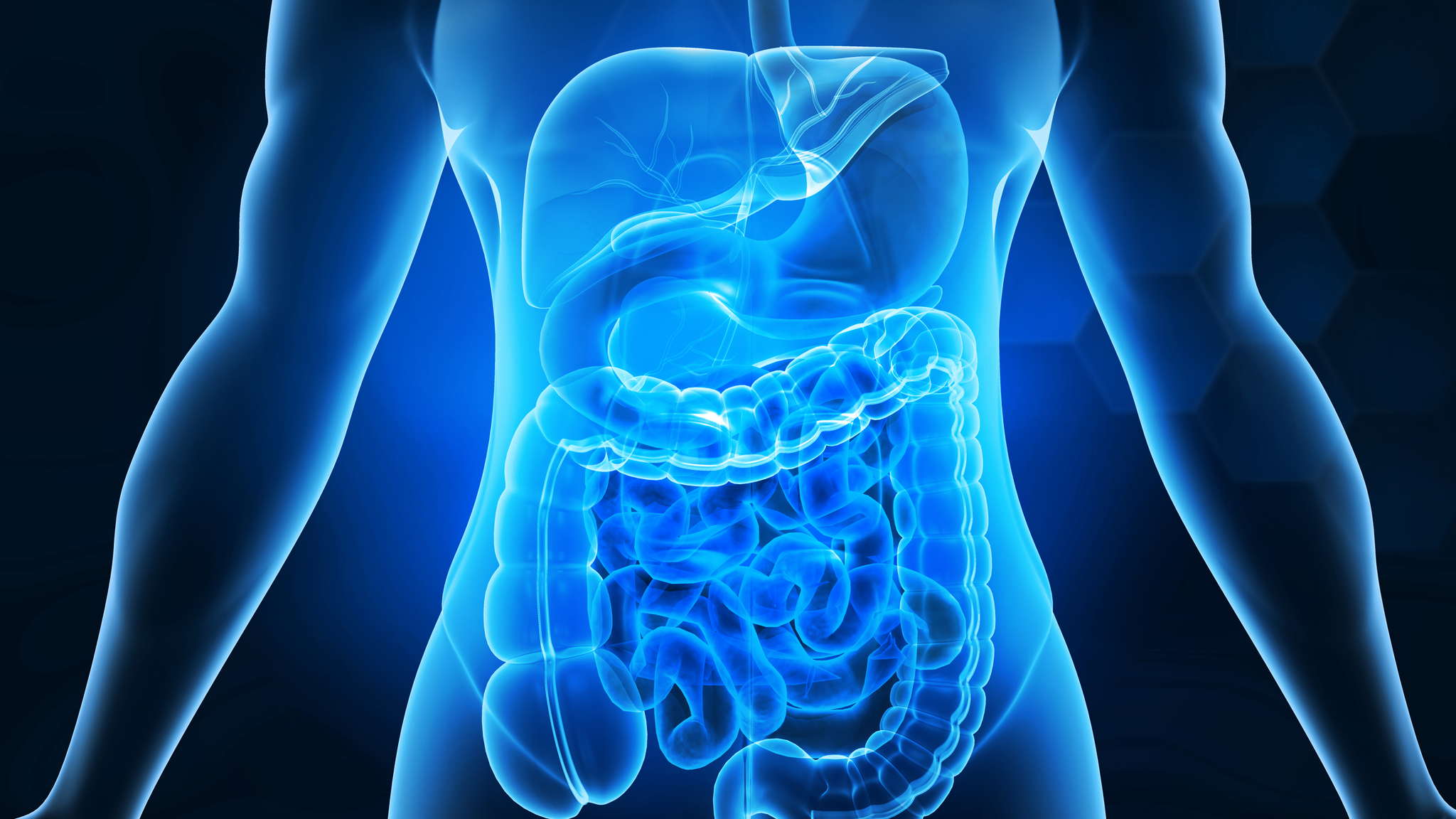
Lower GI Disorders: Understanding Causes, Symptoms, and Management
Lower gastrointestinal (GI) disorders refer to conditions that affect the latter part of the digestive system, primarily the small intestine, large intestine (colon), rectum, and anus. These disorders are common worldwide and can range from mild, temporary issues to chronic conditions that significantly impact quality of life. Understanding their causes, symptoms, and management is essential for early diagnosis and effective treatment.
The lower GI tract plays a vital role in digestion by absorbing water, electrolytes, and nutrients, and by forming and eliminating waste. When this system is disrupted, it can lead to a variety of symptoms such as abdominal pain, diarrhea, constipation, bloating, and rectal bleeding. These symptoms may indicate underlying conditions that require medical attention.
One of the most common lower GI disorders is Irritable Bowel Syndrome (IBS). IBS is a functional disorder, meaning it affects how the gut works rather than causing structural damage. People with IBS often experience abdominal discomfort, gas, and changes in bowel habits, such as alternating diarrhea and constipation. Although the exact cause is not fully understood, factors like stress, diet, and gut sensitivity are believed to play a role.
Another significant condition is Inflammatory Bowel Disease (IBD), which includes Crohn’s Disease and Ulcerative Colitis. Unlike IBS, IBD involves chronic inflammation of the digestive tract and can lead to serious complications if left untreated. Symptoms often include persistent diarrhea, fatigue, weight loss, and blood in the stool. The exact cause is thought to involve an abnormal immune response, possibly triggered by genetic and environmental factors.
Diverticulosis and Diverticulitis are also common, especially among older adults. Diverticulosis occurs when small pouches form in the colon wall, often without symptoms. However, when these pouches become inflamed or infected, the condition progresses to diverticulitis, which can cause severe abdominal pain, fever, and digestive disturbances.
Another important category includes colorectal cancers, particularly Colorectal Cancer. This is one of the leading causes of cancer-related deaths globally. Early stages may not present noticeable symptoms, but as the disease progresses, individuals may experience rectal bleeding, changes in bowel habits, and unexplained weight loss. Screening methods such as colonoscopy are crucial for early detection and improved survival rates.
Infections can also affect the lower GI tract, leading to conditions like bacterial gastroenteritis. Contaminated food or water is often the source, and symptoms typically include diarrhea, abdominal cramps, and sometimes fever. While many cases resolve on their own, severe infections may require medical treatment.
Several factors contribute to the development of lower GI disorders. Diet plays a major role, particularly low fiber intake, excessive consumption of processed foods, and inadequate hydration. Lifestyle factors such as lack of physical activity, stress, and poor sleep can also impact gut health. Additionally, genetic predisposition and age increase the risk of certain conditions, including colorectal cancer and diverticular disease.
Diagnosis of lower GI disorders usually involves a combination of medical history, physical examination, and diagnostic tests. These may include blood tests, stool analysis, imaging studies, and procedures like colonoscopy or sigmoidoscopy. Early diagnosis is essential for effective management and prevention of complications.
Treatment varies depending on the specific condition. For functional disorders like IBS, lifestyle modifications such as dietary changes, stress management, and regular exercise are often recommended. Inflammatory conditions like IBD may require medications to control inflammation and suppress the immune system. In severe cases, surgery may be necessary. For infections, treatment may involve hydration and, in some cases, antibiotics.
Prevention and long-term management focus on maintaining a healthy lifestyle. A balanced diet rich in fiber, fruits, and vegetables supports digestive health. Staying hydrated and engaging in regular physical activity can help regulate bowel movements. Avoiding smoking and limiting alcohol consumption also contribute to overall gut health. In conclusion, lower GI disorders encompass a wide range of conditions that can affect daily life and overall well-being. Recognizing symptoms early and seeking appropriate medical care are key to managing these disorders effectively. With proper lifestyle choices, timely diagnosis, and suitable treatment, many individuals can lead healthy and comfortable lives despite these conditions.
Related Posts

Buy Trapstar Hoodie in Australia: Exclusive Deals & New Arrivals
When I first discovered Trapstar, it didn’t feel like just another clothing label—it felt like stepping into a culture. Born in London’s underground fashion scene, Trapstar has built its reputation on mystery, rebellion, and unapologetic street energy. Over time, I’ve come to appreciate how the brand blends music, street culture, and bold design into pi

Instant Cash for Cars 5 Steps to Wipe Your Smart Car Data
So your old car has finally reached the end of the road, and you’re ready to move on. Maybe it’s a Smart car that’s been sitting in the driveway collecting dust, or one that’s racked up more repair bills than it’s worth. Either way, you want out, and you want the quickest cash offer for scrap you can realistically get. The good new

Experience the Perfect Blend of Yoga, Wellness, and Adventure in Rishikesh
Rishikesh, peacefully resting along the sacred Ganges River and surrounded by the majestic Himalayas, is a destination that beautifully blends spirituality, wellness, and adventure. Known worldwide as the Yoga Capital of the World, this serene town attracts travelers who seek not only physical fitness but also inner peace and self-discovery. The calming atmosph

Get High-Quality MP3 from YouTube Videos Using YT1s Free Converter
In today’s digital world, YouTube has become one of the largest sources of music, podcasts, interviews, and educational content. However, streaming online isn’t always convenient and especially when you want to listen offline or save data. That’s where converting YouTube videos into MP3 format becomes incredibly useful. One of the simplest and most popula
Leave a Reply