

How Weld Saver Improves System Performance
In modern industrial systems, even a small issue like a leak can lead to major problems. From production delays to costly repairs, the impact can be significant. That’s where a weld saver comes into play.
A weld saver is a smart device designed to protect your system from leaks and failures, especially in cooling and welding applications. While it may seem like a small addition, it plays a big role in improving overall system performance.
In this blog, we’ll break everything down in simple language so you can clearly understand how a weld saver works and why your system needs one.
What Is a Weld Saver and Why It Is Important
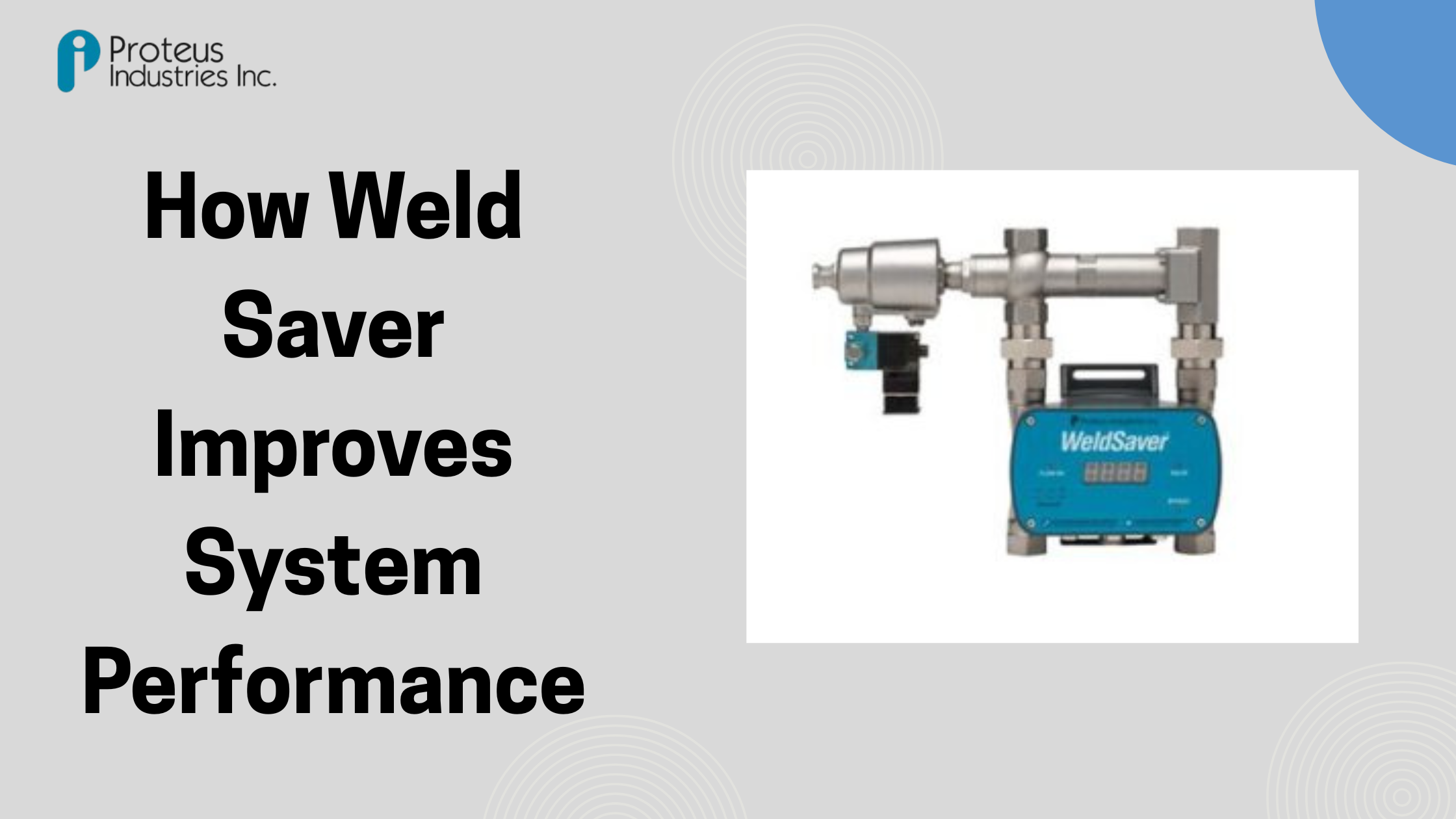
A weld saver is a leak detection and automatic shut-off device. It monitors fluid flow—usually water or coolant—in industrial systems. If it detects a leak or abnormal flow, it immediately shuts off the supply.
This quick action helps:
- Prevent damage to equipment
- Avoid production downtime
- Reduce water and energy waste
Without a weld saver, even a minor leak can go unnoticed and cause serious damage over time.
How Weld Saver Works in a System
Understanding how a weld saver works is simple.
Monitoring Flow Continuously
The device is installed in the system’s water or coolant line. It constantly monitors the flow rate and pressure.
Detecting Leaks or Abnormal Changes
If there’s a sudden increase or decrease in flow, it means something is wrong—usually a leak or pipe break.
Automatic Shut-Off Response
As soon as the weld saver detects the issue, it automatically shuts off the water supply. This prevents further damage and stops the leak from spreading.
Alerting the Operator
Some advanced weld savers also provide alerts or alarms, so operators can take action quickly.
Key Ways Weld Saver Improves System Performance
A weld saver does much more than just stop leaks. It enhances the overall efficiency and reliability of your system.
Prevents Equipment Damage
Leaks can damage expensive machines, especially in welding and cooling systems. A weld saver stops the issue before it becomes serious.
Reduces Downtime and Production Loss
Unexpected breakdowns can halt production. By detecting problems early, a weld saver helps keep operations running smoothly.
Saves Water and Energy
Continuous leaks waste a lot of water and energy. By shutting off the system instantly, a weld saver reduces unnecessary consumption.
Improves System Efficiency
A well-protected system runs more efficiently. There are fewer interruptions, and the equipment performs better over time.
Extends Equipment Lifespan
When machines are protected from leaks and damage, they last longer. This reduces maintenance costs and replacement expenses.
Industries That Benefit from Weld Savers
Weld savers are widely used in different industries where fluid systems are critical.
Automotive Industry
Used in robotic welding systems to prevent coolant leaks and protect expensive equipment.
Manufacturing Plants
Helps maintain smooth operations by avoiding unexpected failure
Plastic and Injection Molding
Prevents water leaks in cooling systems that can damage molds and products.
Food and Beverage Industry
Ensures clean and efficient fluid systems, reducing waste and contamination risks.
Types of Weld Savers Available
Different systems may require different types of weld savers.
Basic Weld Saver Units
Simple models that detect leaks and shut off the flow.
Advanced Weld Savers
Include features like:
- Digital monitoring
- Alarm systems
- Data tracking
Customized Solutions
Designed for specific industrial needs and complex systems.
Installation and Maintenance Tips
Proper installation and care are important for the best performance.
Correct Placement
Install the weld saver in a position where it can monitor the entire flow effectively.
Regular Inspectio
Check the device periodically to ensure it is working properly.
Professional Setup
Always use a trained technician for installation to avoid errors.
Common Problems Without a Weld Saver
Not using a weld saver can lead to several issues:
- Undetected leaks causing damage
- Increased water and energy bills
- Frequent equipment breakdowns
- Production delays
- Higher maintenance costs
These problems can affect both performance and profitability.
Why Weld Saver Is a Smart Investment
Although adding a weld saver may seem like an extra cost, it actually saves money in the long run.
- Prevents expensive repairs
- Reduces downtime losses
- Improves system reliability
- Saves resources
It’s a small investment with big returns.
Future of Weld Saver Technology
As industries move toward automation, weld savers are also becoming more advanced.
Future systems may include:
- Smart sensors
- Real-time monitoring
- Integration with automated systems
- Remote control features
These advancements will make systems even safer and more efficient.
Conclusion
A weld saver is more than just a safety device—it’s an essential component for improving system performance. By detecting leaks early and shutting off the flow instantly, it protects equipment, reduces downtime, and saves valuable resources.
In today’s fast-paced industrial environment, efficiency and reliability are key. A weld saver helps achieve both by ensuring your system runs smoothly without unexpected interruptions.
Understanding its importance can help you make better decisions for your operations. Whether you’re managing a small setup or a large industrial system, adding a weld saver can significantly improve performance, reduce risks, and increase long-term efficiency.
Related Posts

Why Online Exams Increase Performance Pressure on Students
Online exams came in as a convenient and contemporary means of testing the learning of students, but to most of the learners, they have become a new form of academic pressure. Rather than alleviating stress, digital assessments tend to escalate it with technical anxieties, time pressure, spyware, and the stress of having to become an ideal performer alone. The

Custom Glitter Stickers for Branding & Creative Use
Glitter stickers have been popularized as a visual means for business, creative, and event organizers interested in making a statement that is striking and eye-catching. These stickers are durable and at the same time are sparkling in their finish that makes their application on any surface immediately create attention and make it an elevation. The appeal of vi

How to Blend Style and Function in Your Indianapolis Kitchen: Creating a Practical yet Beautiful Space
The kitchen is the heart of the home. It’s where families gather, meals are prepared, and memories are made. If you’re looking to revamp your kitchen in Indianapolis, blending style and function is key. While aesthetics play an important role in creating a beautiful space, functionality is just as important. Finding the balance between both elements wil

Best AI & Data Science Course with Python Placement in 2026
Upgrade your career with the best AI & Data Science course with Python placement in Bangalore. Learn ML & Gen AI. Get job-ready.
Leave a Reply