

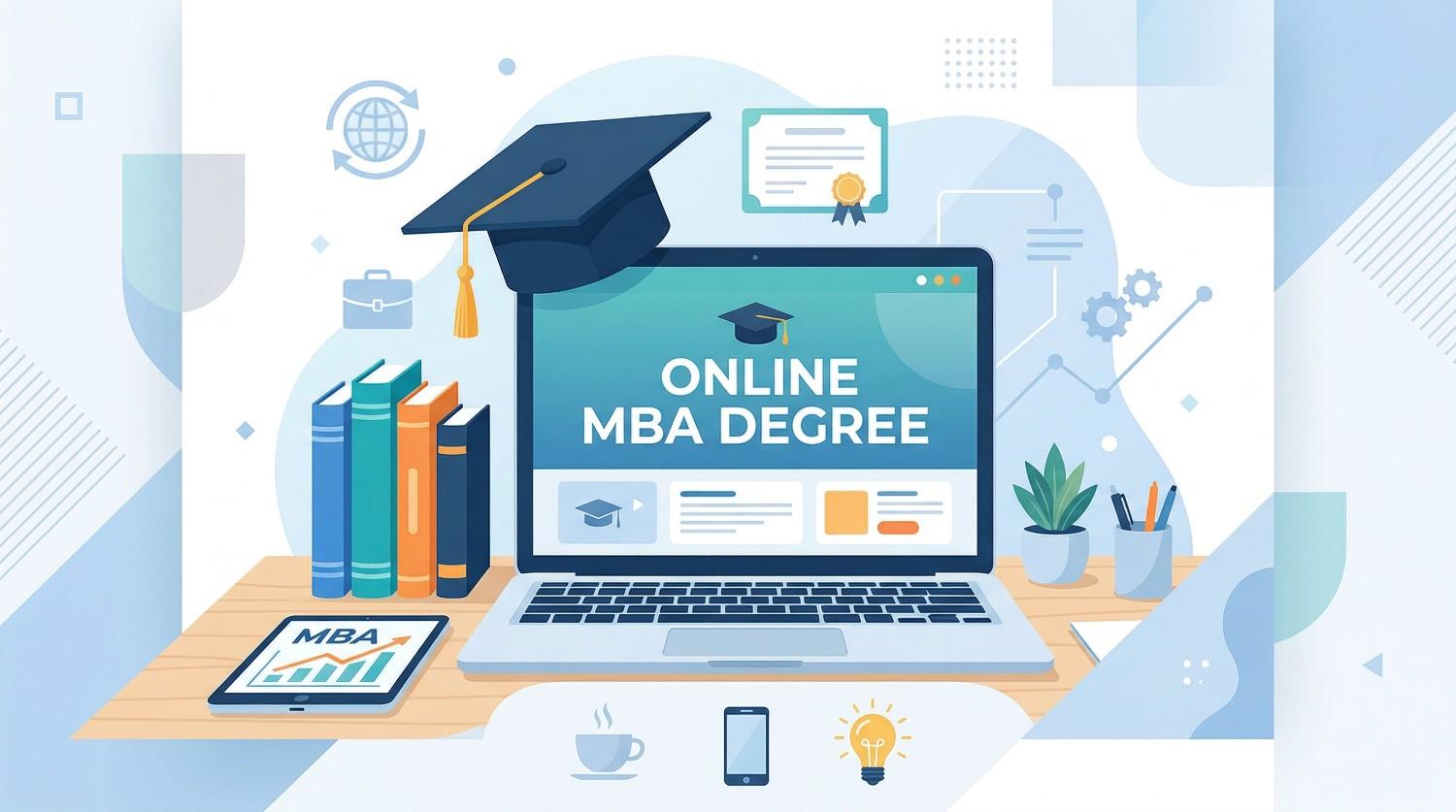
How to Verify the Authenticity of a University Offering Distance MBA
Distance MBA programs are gaining immense popularity worldwide, offering working professionals, entrepreneurs, and career switchers the flexibility to enhance their business skills without attending a traditional campus. However, with the rise in online education, not all universities offering distance MBAs are legitimate. Verifying the authenticity of a university is crucial to ensure career growth, credibility, and to avoid falling into scams or enrolling in unrecognized programs.
This guide provides a step-by-step approach to help you verify the authenticity of a university distance MBA.
1. Accreditation Check
Accreditation is the first and most important factor in determining a university’s credibility. Accredited institutions meet specific educational standards set by governing authorities.
Steps to check accreditation:
- India: Look for recognition by the University Grants Commission (UGC), approval by AICTE, or accreditation by the Distance Education Bureau (DEB) for distance programs.
- Global: In other countries, verify accreditation through recognized bodies such as the AACSB, EQUIS, AMBA (for business schools) or government education departments.
- Action Tip: Always cross-check the university’s claimed accreditation on the official accrediting body’s website rather than relying solely on the university’s statements.
Example: If a university claims to offer a DEB-approved Distance MBA in India, you can verify it on the official DEB portal.
2. Affiliation and Recognition
Beyond accreditation, affiliations with other recognized institutions or professional bodies enhance a university’s legitimacy.
Key aspects to check:
- Partnerships with reputed universities or organizations.
- Recognition by national or state education authorities.
- Memberships in professional associations relevant to business education.
Action Tip: A legitimate university often lists its affiliations on official documents and websites, which you should verify through the partner institution or organization.
3. Online Presence & Reviews
A university’s digital footprint offers insights into its credibility.
What to check:
- Official Website: Ensure the website has transparent information about courses, faculty, and contact details.
- Student Testimonials: Look for authentic feedback from alumni. Genuine testimonials often include names, designations, or LinkedIn profiles.
- Third-Party Reviews: Explore platforms like Quora, Google Reviews, or educational forums for unbiased opinions.
Warning: Be cautious of universities with poorly maintained websites, vague information, or excessively positive reviews without details.
4. Course Details & Transparency
Transparency about the Distance MBA program reflects a university’s legitimacy.
Key details to examine:
- Program Structure: Look for a clear syllabus, module-wise course breakdown, and evaluation methods.
- Faculty Credentials: Check faculty qualifications and professional experience.
- Fee Structure: Ensure tuition fees and additional charges are clearly mentioned and comparable with other recognized programs.
Action Tip: Request a sample curriculum or prospectus before enrollment to assess content quality and transparency.
5. Red Flags to Watch Out For
Certain warning signs indicate a potentially fraudulent or fake university:
- Claims of instant degrees without coursework or exams.
- Extremely low fees compared to other programs.
- Lack of physical address or verifiable contact information.
- Aggressive marketing or pushy admission tactics.
- No official registration or absence from government portals.
Tip: If something seems too good to be true, it probably is.
6. Verification Tools & Resources
Several official tools and resources can help validate universities offering Distance MBA programs:
- UGC-DEB Portal (India): Lists recognized universities offering distance education.
- AICTE Approval Portal: Check if a program is AICTE-approved.
- National/Regional Education Departments: Verify foreign universities.
- Professional Bodies: Check for memberships in business education associations like AACSB, AMBA, or EQUIS.
- Educational Directories: Use trusted portals like Shiksha, Careers360, or official university directories.
Action Tip: Always cross-verify information across multiple sources to ensure authenticity.
Conclusion
Verifying the authenticity of a university before enrolling in a Distance MBA is essential to safeguard your career and investment. Key steps include checking accreditation, affiliations, online presence, course transparency, and using official verification tools.
By taking these precautions, you can confidently choose legitimate distance MBA programs that offer quality education, recognized degrees, and real career growth opportunities.
Related Posts

The Growing Importance of Custom Hair Extension Bags in Modern Beauty Packaging
The global hair extension market has seen remarkable growth over the past decade, driven by rising beauty consciousness, social media influence, and demand for premium grooming products. As competition intensifies, brands are no longer relying solely on product quality—packaging has become a crucial differentiator. In this landscape, custom hair extension bag
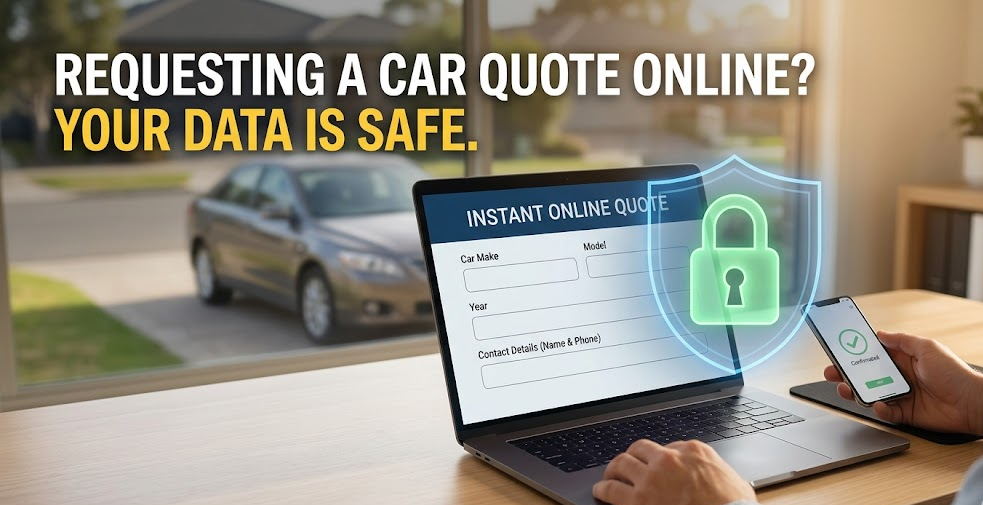
Is My Personal Information Safe When Requesting an Online Car Quote?
Your personal information remains safe when requesting an online car quote if you engage with licensed Australian businesses that utilise SSL encryption, provide transparent privacy policies, and adhere strictly to the Australian Privacy Principles to safeguard user data. The Security of Online Car Valuations Online car quote platforms operate as digital gatewa
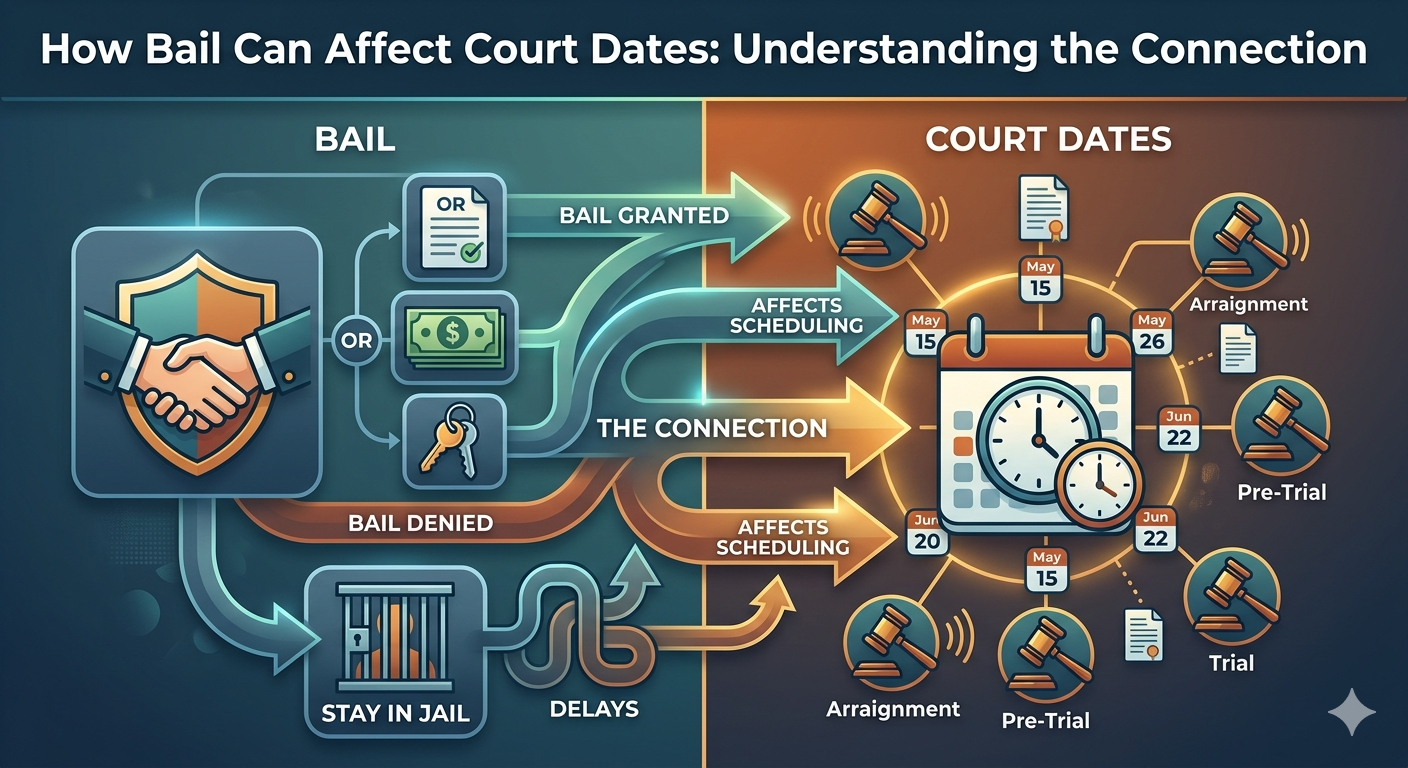
How Bail Can Affect Court Dates: Understanding the Connection
When someone is arrested, one of the first concerns is often how to get released from jail until the court date. Bail plays an essential role in this process, but it can also impact the entire timeline of the case. The amount of bail set, how it’s paid, and the conditions tied to it can all affect when and how the accused appears in court. Understanding t
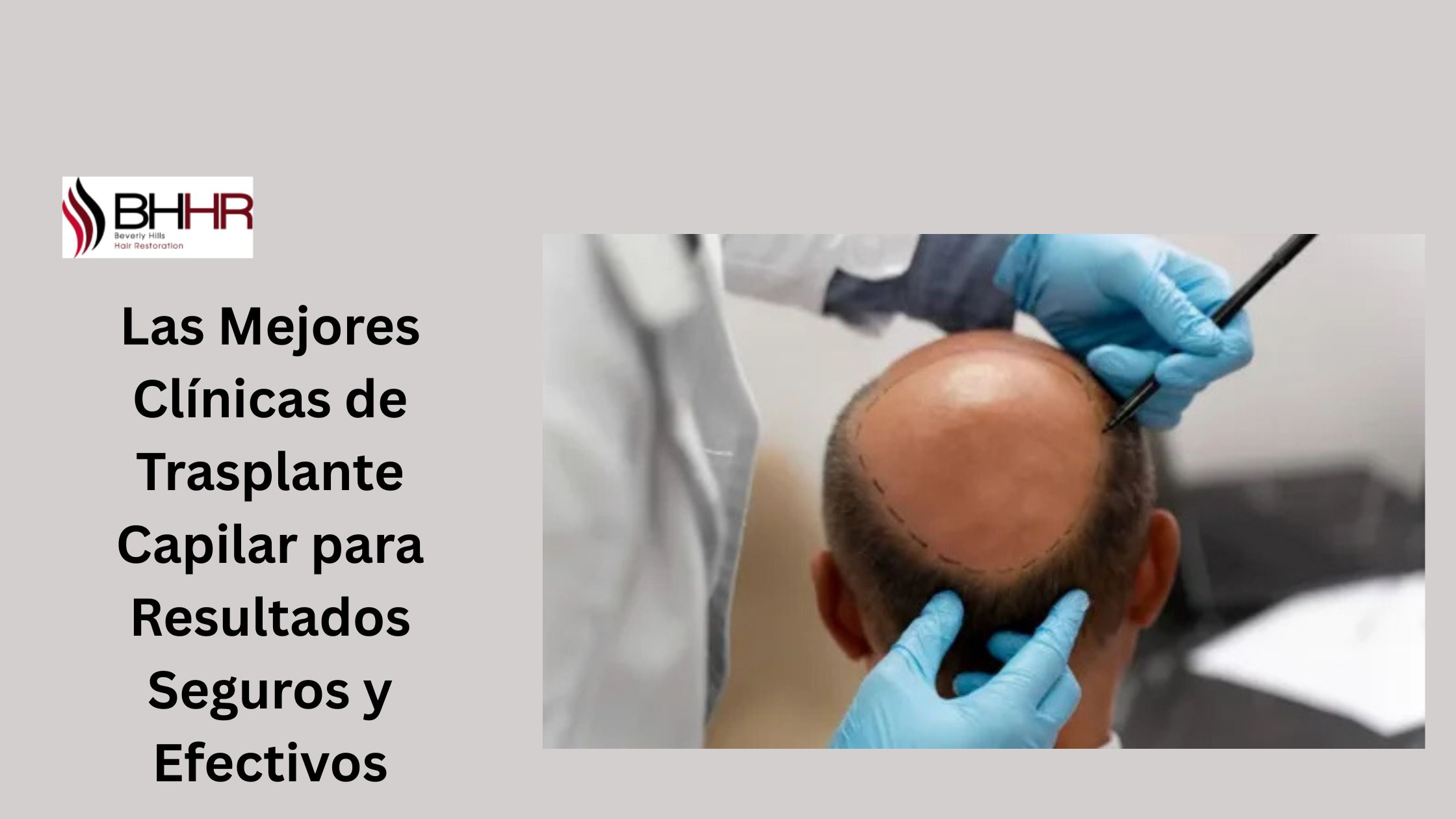
Las Mejores Clínicas de Trasplante Capilar para Resultados Seguros y Efectivos
La pérdida de cabello puede afectar tanto la confianza como la apariencia general, lo que lleva a muchas personas a buscar soluciones duraderas como el trasplante capilar. Sin embargo, el éxito del procedimiento depende en gran medida de elegir la clínica adecuada. Con tantas opciones disponibles, es esencial identificar clínicas que prioricen la seguridad,
Leave a Reply