

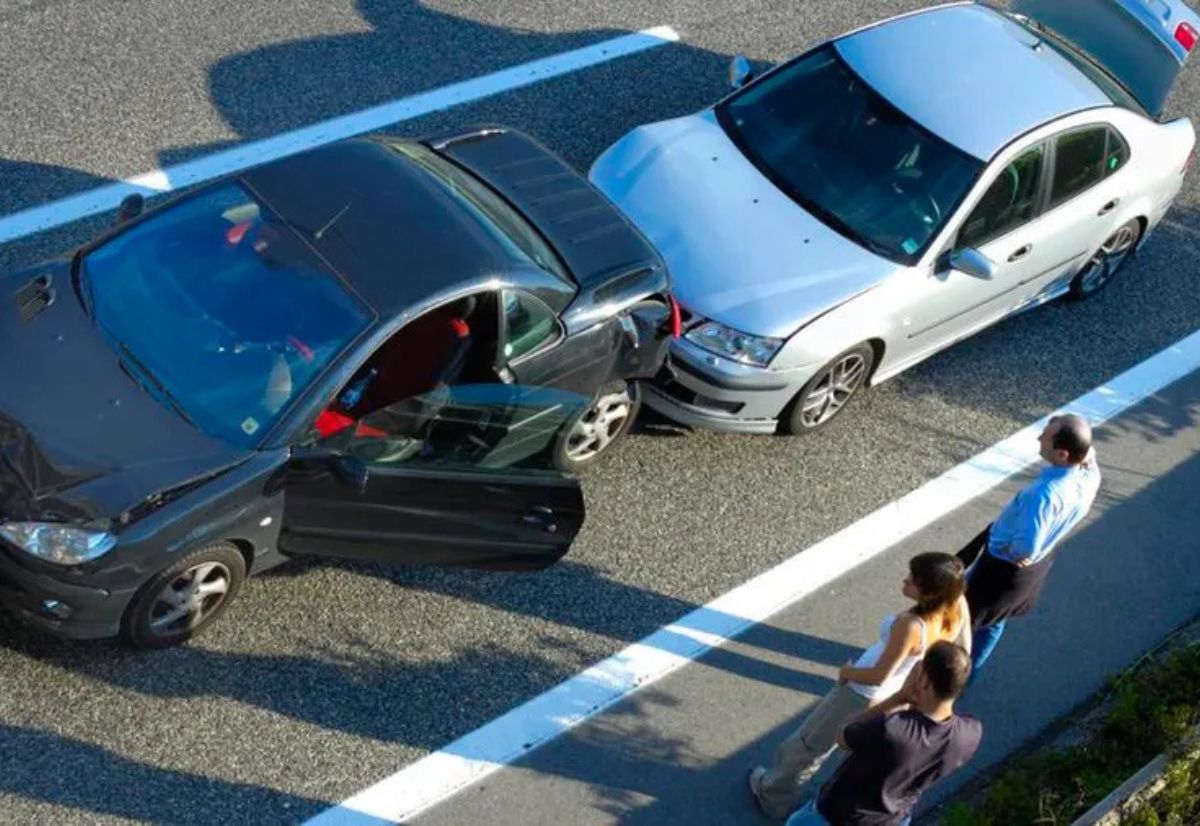
How Safe Is Your Car During a High-Speed Collision?
Modern cars are constructed with the latest security measures in order to protect the occupants during high-speed crashes. Airbags deploy quickly, collision energy is absorbed with the help of give way areas, and bolstered cabins reduce the risk of loss. Even before accidents require technology with electronic balance control and anti-lock brakes is required to prevent accidents. However, the effectiveness of those elements depends on regular maintenance and testing to ensure that the entire plot works where it is. Results can differ significantly depending on safety ratings and appropriate servicing. Maintaining your car’s safety requirements requires that it undergo a class 4 MOT near me inspection.
Impact Energy Is Absorbed by Crumple Zones
Crumple zones are parts of a car’s front and rear surfaces that are specifically constructed to distort in the event of an accident. These areas absorb and distribute the damage’s kinetic energy in a high-speed collision. To lower the danger of injury, the car structure sacrifices itself rather than imparting all of the force to the occupants. The impact on passengers is slowed down by this controlled deformation, which significantly affects survival rates. The likelihood of serious injuries or fatalities would be greatly increased in the absence of crumple zones since the force of a high-speed collision would be immediately transferred into the cabin.
Robust Passenger Safety Unit
The passenger safety cell is the stiff core of the car, which is meant to protect passengers during a collision. It is made of reinforced material or high-strength steel and is capable of taking hard impact forces without deforming. This protective cage keeps the inside area undamaged in high-speed crashes, avoiding crushing injuries. The cabin remains in equilibrium as other parts of the car give way to accommodate energy. The separation of the safety cell and crumpling is critical since it provides the passengers with a secure space and greatly improves their chances of surviving serious accidents.
Airbags Provide Critical Cushioning
Airbags are important safety mechanisms that inflate quickly in the event of a high-speed collision. They swell within a couple of milliseconds to offer cushions between passengers and hard surfaces like the dashboard, glass, and steering wheel. Multiple airbags, such as front, side, curtain, and knee airbags, provide safety from various directions in current cars. Airbags reduce the chances of head and chest injuries caused by high-speed collisions by absorbing impact forces. But they can best be used together with seatbelts since this maximises the effectiveness of the safety mechanisms and ensures proper posture.
Wearing Seatbelts Keeps People Safe
The most important safety element in every car is a seatbelt, particularly in high-speed crashes. They ensure that passengers are not thrown forward in the car or thrown out by safely keeping them in place. Contemporary seatbelts have pretensioners, tighteners that rapidly become taut, and load limiters that reduce the pressure on the chest. This mixture maintains the safety of passengers and minimizes harm. There are even advanced security features, such as airbags, which are not as effective without the use of safety belts. Wearing a seatbelt properly is one of the simplest, but most effective ways of enhancing your chances of surviving an accident.
Braking Systems In the Present Age: Impact Reduction
Anti-lock brake systems (ABS) and other advanced braking designs are important in reducing the severity of high-speed collisions. In some situations where surprise braking can occur, ABS prevents the wheels from locking up and allows the driver to avoid the crash by holding onto the steering. This can help prevent a collision altogether or even slow it down significantly. All wheels get balanced braking thanks to optional equipment, including electronic brake force distribution. The technology reduces the effects of pressure and reduces significant loss or damage through extended stopping power and control.
Electronic Stability Control Prevents Skidding
Electronic Stability Control (ESC) is designed to help drivers maintain control of their vehicle, especially when driving at high speeds. It is applicable via preset brakes on the male or female wheels to stop the vehicle from starting to skid or lose traction. This is especially helpful during unexpected sharp turns that would otherwise cause you to lose grip. ESC reduces the chance of excessive traffic and serious accidents. This technology is important for avoiding unsafe collisions before they occur because it keeps the vehicle stable and on its intended path.
Final Words:
Contemporary vehicles are equipped with various safety mechanisms aimed at alleviating risk and safeguarding individuals, though none of the vehicles can guarantee absolute safety in a high-speed impact. Each element, airbags and crumple zones, as well as advanced driver support systems, is needed to add to the chances of survival.
Also, read: What Causes Car Cylinder Damage: Repair Advice UK
Related Posts
Hair Transplant in Pakistan: Cost, Procedure, Results
Hair loss is a common concern among men and women in Pakistan. Whether it’s due to genetics, stress, hormonal imbalance, or lifestyle factors, thinning hair can affect confidence and appearance. A hair transplant is one of the most effective and permanent solutions for restoring natural hair growth. In this article, we will cover everything you need to know a

Qué productos de Marcas Cantu son los mejores para el cuidado del cabello?
Introducción Encontrar los productos adecuados para el cuidado del cabello puede ser abrumador, especialmente cuando se trata de sequedad, frizz, quiebre o rizos que no se mantienen definidos. Aquí es donde Marcas Cantu ha construido una sólida reputación. Conocida por sus fórmulas nutritivas a base de manteca de karité, la marca ofrece soluciones diseña
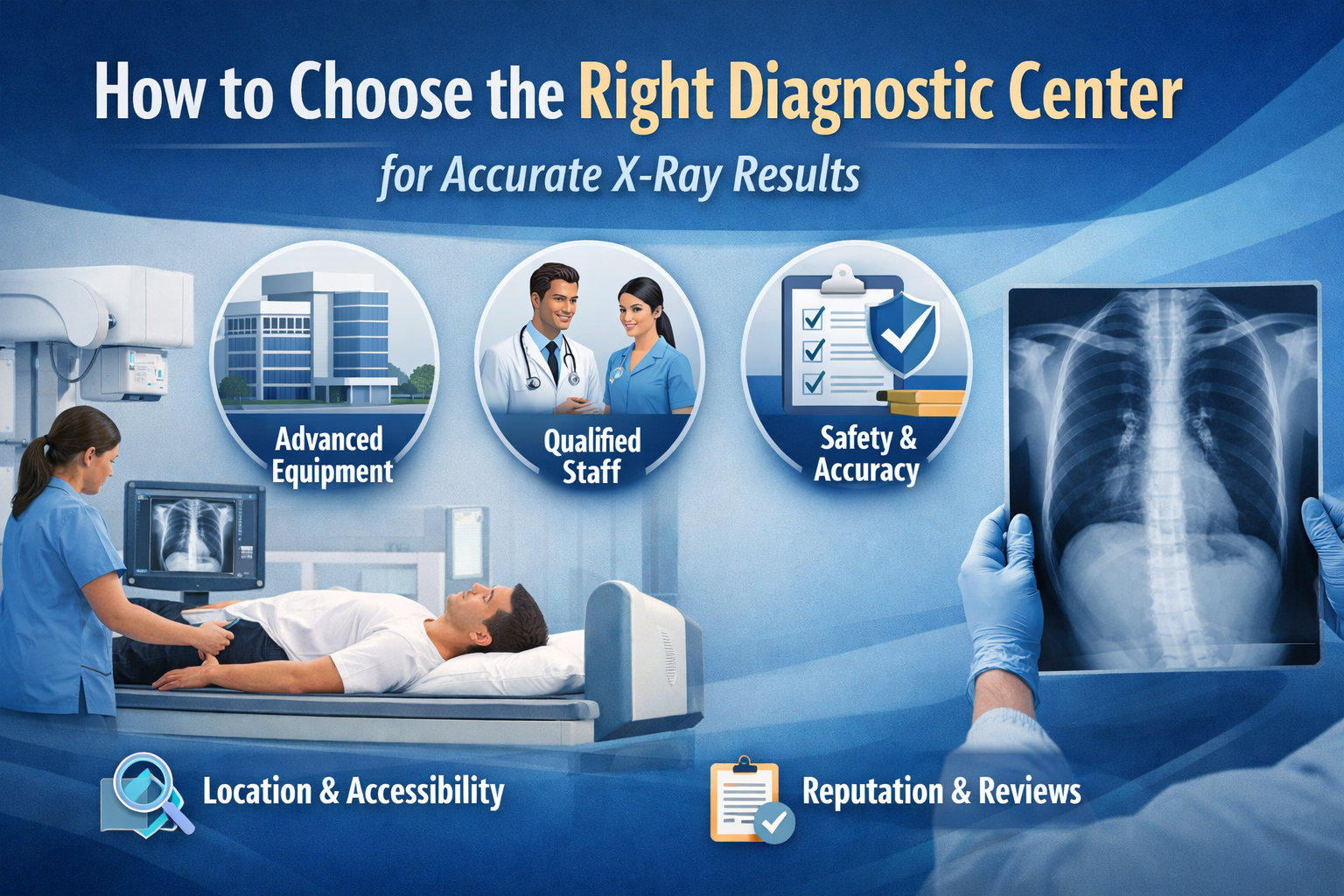
How to Choose the Right Diagnostic Center for Accurate X ray Results
When a doctor asks you to get an X ray, it is very important to choose the right diagnostic center. Many people think that all centers give the same results, but that is not always true. The quality of the machine, the skill of the technician, and the way the test is done can affect the final report. A correct X ray helps doctors understand your problem clearly
The Backbone of Every Construction Project
Every successful construction project begins with a strong foundation—not just in design, but in the materials used. From residential homes to large commercial complexes, the quality and selection of materials play a crucial role in determining durability, safety, and overall performance. Choosing the right resources ensures that structures can withstand envi
Leave a Reply