


What Causes Car Cylinder Damage: Repair Advice UK
Introduction
The engine’s cylinders power a car, making it the most crucial portion. Good cylinders make the engine perform well, consume less fuel, and be reliable. The car’s performance might be ruined if cylinder damage begins. Cars may use more petrol, make unusual sounds, or lose power. All of these indicate internal issues.
UK drivers experience city driving, highway cruising, and diverse weather conditions. This strains engines. Cylinder damage usually occurs over time due to mechanical wear, neglect, or environmental factors. By understanding engine issues and fixing them, car owners may avoid costly repairs and extend engine life.
Poor Lubrication and Oil Issues
Protecting engine components, notably moving cylinder walls and pistons, requires proper lubrication. A thin coating of engine oil lowers friction and avoids metal-to-metal contact. This protective layer diminishes when oil levels drop or when oil gets filthy and deteriorated, increasing damage risk.
Without enough lubrication, piston-cylinder wall friction develops substantially. This might score the cylinder, leaving scratches. These defects increase piston wear and reduce engine efficiency. Simple yet crucial oil checks and changes prevent this harm.
Contaminated Fuel and Poor Combustion
Car engine efficiency depends on fuel quality. Poor fuel can affect cylinder combustion. Incomplete combustion deposits carbon on cylinder walls and pistons.
These deposits slowly impede engine function. They can cause uneven combustion, efficiency loss, and cylinder wear. This accumulation can cause long-term harm. Using dependable fuel and cleaning the fuel system can assist in sustaining combustion and safeguarding the cylinders. Cylinder head reconditioning restores engine performance by repairing wear, improving sealing, and extending the life of critical components.
Worn or Faulty Piston Rings
Piston rings are essential for combustion chamber sealing and compression. These rings lose their effectiveness when worn or destroyed. Oil can seep into the combustion chamber and increase piston-cylinder wall friction.
Cylinder walls may get scraped or worn over time. Worn piston rings cause engine performance issues, oil consumption, and exhaust smoke. This issue may be fixed early to prevent cylinder and engine damage.
Dirt and Debris Entering the Engine
Clean air is essential for engine performance. An air filter is crucial for bringing clean air into the system. A dirty or faulty air filter lets dust and other particles into the cylinders.
These particles sandpaper the cylinder walls while the engine runs. This can cause cylinder wear and roughen the surface over time. This risk increases in dusty or bad-road areas. Air filter maintenance is a simple yet effective way to prevent this damage.
Lack of Regular Maintenance
Lack of normal maintenance causes cylinder deterioration. If ignored, tiny oil leaks, worn components, and unclean filters can become major difficulties.
All engine parts are examined and maintained during regular service. This covers oil, coolant, and engine inspection. Preventive maintenance is cheaper than costly engine repairs caused by negligence.
Signs of Cylinder Damage to Watch For
Cylinder damage usually affects car performance. Feeling less powerful might decrease acceleration and responsiveness. Strange engine noises, like pounding or tapping, may indicate a problem.
Higher fuel use, exhaust fumes, and engine problems starting are further signs. Blue smoke indicates oil burning in the cylinder. Early detection of these warning signs may allow engine repair before it worsens.
Repair Options and Solutions in the UK
How to remediate damage, it depends on its severity. Honing and other procedures can smooth cylinder walls and restore function if the wear is mild. This method removes small defects and improves surface performance.
More significant damage may require reboring. This requires expanding the cylinder and adding larger pistons. Sometimes the engine must be rebuilt or replaced due to severe damage. Many UK speciality garages offer these services. Choosing a competent specialist ensures safe and proper repairs.
Conclusion:
Cylinder damage may severely affect an engine’s performance and longevity. Poor lubrication, overheating, tainted fuel, damaged piston rings, and neglect cause it gradually. These reasons may appear small, but if ignored, they can cause serious engine issues.
Vehicle owners may protect their engines by recognising these reasons and recognising early warning indications. Cylinder damage may be avoided with regular maintenance, fluid control, and repairs. UK drivers can keep their cars reliable, efficient, and safe for years with proper maintenance.
Also, read: Top 7 Reasons to Choose Minibus Hire for Group Travel
Related Posts

Last-Minute Umrah Packages from the UK: Tips, Risks & Opportunities
Ready hearts often guide Muslim travellers on their path. A surprise opportunity might appear, even without months of planning. When intent is true, such times brim with quiet grace. Trusting Allah, moving with calm purpose – this shapes the way. Short-notice Umrah packages help keep steps steady once the call arrives. Answering his invitation quickly tur

Low-altitude Communication Network Market Size & Forecast, 2033 | UnivDatos
According to UnivDatos, rapid growth in drone, UAV, and eVTOL deployments for commercial and government applications is the major factor driving the growth of the Low-altitude Communication Network market. As per their “Low-altitude Communication Network Market” report, the global market was valued at USD 5,830 million in 2024, growing at a CAGR of about 18
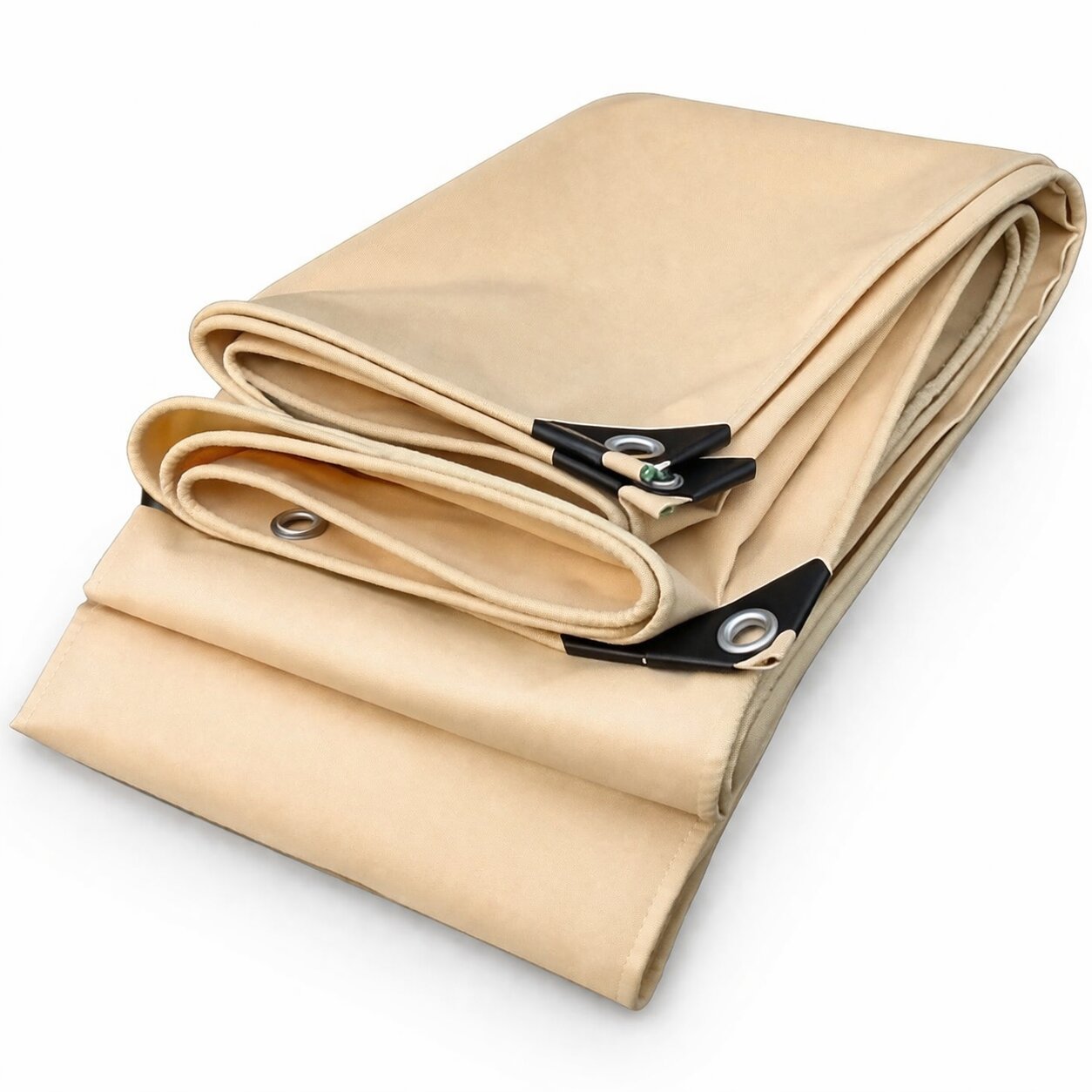
Tarpaulin Covers for Storage and Transport
Tarpaulin sheets are used in home & garden. You can use any type of tarpaulin such as PVC Tarpaulins & Canvas Tarpaulins. Tarpaulins are totally waterproof.

9 Couples Therapy Aurora: Strengthen Your Relationship
Introduction Relationships are meaningful, but they are not always easy. Every couple goes through misunderstandings, emotional distance, or communication breakdowns at some point. That’s where 9 Couples Therapy Aurora becomes a supportive path toward healing and reconnection. At Saaj Psychotherapy, therapy is not about pointing fingers or deciding who is rig
Leave a Reply