

Hair Transplant in Pakistan: Cost, Procedure, Results
Hair loss is a common concern among men and women in Pakistan. Whether it’s due to genetics, stress, hormonal imbalance, or lifestyle factors, thinning hair can affect confidence and appearance. A hair transplant is one of the most effective and permanent solutions for restoring natural hair growth. In this article, we will cover everything you need to know about hair transplant, including cost, procedure, recovery, and results.
What is a Hair Transplant?
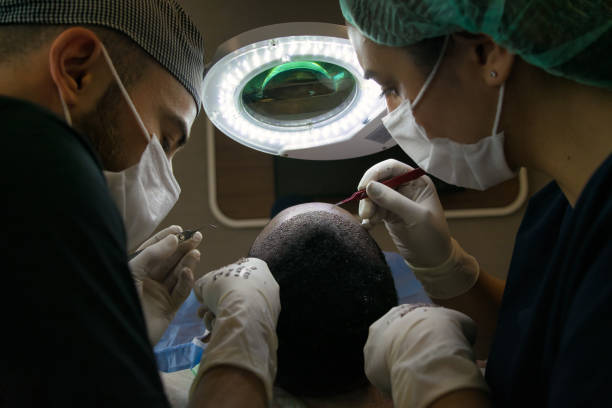
A hair transplant is a medical procedure in which hair follicles are taken from a donor area (usually the back of the head) and implanted into bald or thinning areas. The goal is to restore natural-looking hair growth that blends seamlessly with your existing hair.
This procedure is commonly used to treat:
- Male pattern baldness
- Receding hairline
- Thinning crown
- Beard or eyebrow hair loss
Types of Hair Transplant Procedures
There are two main types of hair transplant techniques:
1. FUE (Follicular Unit Extraction)
FUE is the most popular and advanced technique. Individual hair follicles are extracted and implanted into the target area.
Benefits:
- No visible scars
- Faster healing time
- Natural results
2. FUT (Follicular Unit Transplantation)
In FUT, a strip of skin with hair is removed from the donor area and then divided into grafts.
Benefits:
- Suitable for large bald areas
- Higher number of grafts in one session
Most modern clinics in Pakistan prefer FUE due to its minimally invasive nature and better cosmetic outcomes.
Hair Transplant Cost in Pakistan
The cost of a hair transplant in Pakistan varies depending on several factors:
- Number of grafts required
- Clinic reputation and expertise
- City (Lahore, Islamabad, Karachi)
- Technique used (FUE or FUT)
Average cost range:
- PKR 70,000 to PKR 250,000
Some clinics charge per graft, usually between PKR 30 to PKR 100 per graft.
How Many Grafts Do You Need?
The number of grafts depends on the level of hair loss:
- Mild hair loss: 1000–1500 grafts
- Moderate hair loss: 2000–3000 grafts
- Severe baldness: 4000+ grafts
A professional consultation is necessary to determine the exact number.
Hair Transplant Procedure Step by Step
- Consultation:
The doctor evaluates your scalp, hair density, and expectations. - Preparation:
The donor area is trimmed and local anesthesia is applied. - Extraction:
Hair follicles are extracted (FUE) or a strip is removed (FUT). - Implantation:
Grafts are carefully placed in the bald areas following natural hair direction. - Completion:
The procedure usually takes 4 to 8 hours depending on grafts.
Is Hair Transplant Painful?
Hair transplant is generally not painful because local anesthesia is used during the procedure. You may feel slight discomfort or pressure, but it is manageable. After the procedure, mild pain or swelling can occur, which usually subsides within a few days.
Recovery and Aftercare
Recovery is an important part of achieving the best results.
What to expect:
- Redness and swelling for 2–3 days
- Scabs forming and falling within 7–10 days
- Hair shedding (shock loss) in 2–4 weeks
- New hair growth starts after 3–4 months
Aftercare tips:
- Avoid touching or scratching the scalp
- Follow prescribed medications
- Avoid heavy exercise for 1–2 weeks
- Protect scalp from direct sunlight
Hair Transplant Results Timeline
Hair transplant results take time and patience:
- 1 month: Shedding phase
- 3 months: Early growth begins
- 6 months: Visible improvement
- 9–12 months: Full results
The final outcome looks natural and permanent if done correctly.
Is Hair Transplant Permanent?
Yes, hair transplant is considered a permanent solution. The transplanted hair follicles are resistant to hair loss and continue to grow naturally for a lifetime. However, existing non-transplanted hair may still thin over time, so proper care is important.
Side Effects of Hair Transplant
Hair transplant is generally safe, but some temporary side effects may include:
- Swelling
- Redness
- Itching
- Mild pain
Serious complications are rare when performed by experienced professionals.
Who is a Good Candidate?
You may be a suitable candidate for a hair transplant if:
- You have sufficient donor hair
- You are experiencing pattern baldness
- You are in good overall health
- You have realistic expectations
Final Thoughts
Hair transplant is a reliable and long-term solution for hair loss. With modern techniques like FUE, the procedure has become safer, more comfortable, and highly effective. Choosing the right clinic and following proper aftercare can significantly improve your results.
If you are struggling with hair loss and looking for a permanent solution, a professional consultation can help you take the next step with confidence.
Related Posts

Enhancing Privacy and Style: Frosted Glass Doors for Modern Canadian Homes
In Canada’s evolving housing market, homeowners are increasingly looking for interior solutions that combine aesthetics, functionality and efficiency. Doors, once viewed as simple structural elements, now play a vital role in shaping interior spaces. Among the most and practical options today are Frosted Glass Door and Frosted Glass Interior Door styles, whic
Point of Sale POS Terminal: The Backbone of Modern Business Transactions
In today’s fast-moving retail environment, speed, accuracy, and customer experience define business success. Whether you run a small boutique, a busy café, or a large retail store, the way you handle payments directly impacts customer satisfaction and operational efficiency. This is where a Point of Sale POS Terminal becomes essential. A POS terminal is no l
Elite Restoration Concepts in Hair Transplant in Riyadh Medicine
Introduction to Elite Restoration in Contemporary Hair Medicine Hair restoration has entered a new era where clinical precision and aesthetic philosophy combine to create highly refined outcomes. Elite restoration concepts represent the highest standards of planning, design, and execution within modern regenerative hair medicine. Rather than focusing only on re
How Businesses Can Build Scalable Support Systems
As businesses grow, the number of customers, internal requests, and technical issues also increases. What works for a small team often breaks down when the workload multiplies. This is why scalable support systems are essential for long-term growth. A scalable support system ensures that a business can handle increasing demand without losing speed, quality, or
Leave a Reply