

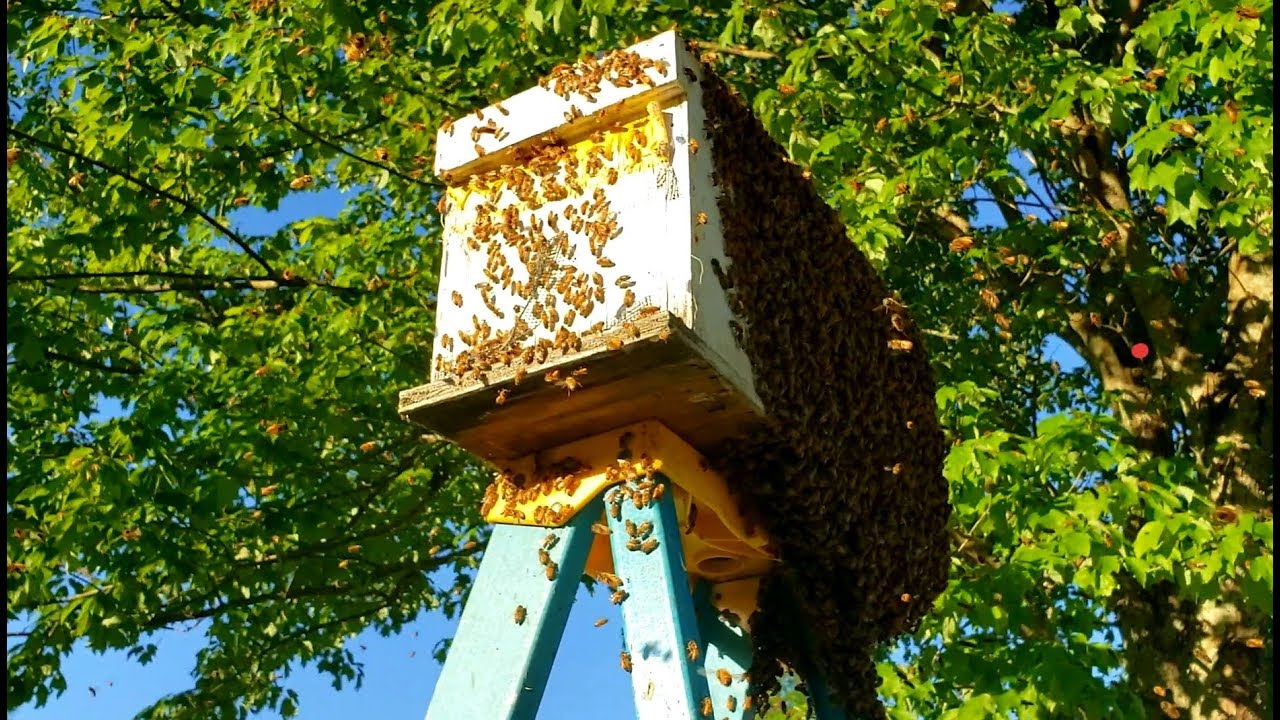
Creative Landscaping to Attract Bees Away From Entrances
Landscaping decisions play a crucial role in shaping outdoor environments, especially when homeowners aim to attract bees away from entryways. Thoughtful planning allows individuals to create spaces that guide pollinators toward designated garden areas instead of high-traffic zones. This approach supports both safety and ecological balance.
Bees are naturally drawn to areas rich in nectar and pollen, making plant selection a primary factor in determining their activity patterns. By understanding these preferences, homeowners can strategically design landscapes that attract bees to specific locations. This targeted approach minimizes unwanted interactions near doors and windows.
Additionally, environmental conditions such as sunlight exposure, wind patterns, and moisture levels influence where bees choose to forage. Adjusting these elements within a landscape helps direct their movement naturally. These subtle changes create a more controlled and predictable environment.
Furthermore, incorporating diverse plant species ensures a continuous food supply, encouraging bees to remain within designated zones rather than exploring other areas. This consistency reinforces their behavior and reduces the likelihood of them approaching entrances.
Designing Dedicated Garden Zones to Attract Bees Away From Entry Points
Creating dedicated garden zones is one of the most effective strategies to attract bees while maintaining clear and safe entryways. These zones should be positioned at a reasonable distance from doors, patios, and walkways to redirect pollinator activity. Strategic placement enhances effectiveness significantly.
Selecting flowering plants with strong visual appeal and abundant nectar encourages bees to focus on these designated areas. Bright colors and fragrant blooms naturally draw their attention, making these zones highly attractive. This intentional design supports consistent behavior patterns.
In addition, arranging plants in clusters rather than scattered placements increases their visibility and accessibility for bees. Dense groupings create concentrated resources, making them more appealing than isolated plants. This arrangement strengthens their attraction.
Moreover, incorporating vertical elements such as trellises or layered plantings adds depth to the garden, further enhancing its appeal. These features create a dynamic environment that supports sustained pollinator activity. A well-structured layout improves overall functionality.
By establishing clearly defined garden zones, homeowners can effectively manage bee activity while maintaining a safe and comfortable living environment.
Plant Selection Strategies to Attract Bees Without Compromising Safety
Choosing the right plants is essential when designing landscapes that attract bees while ensuring safety near entrances. Native flowering plants are particularly effective, as they are well-suited to local conditions and provide reliable food sources. This compatibility enhances sustainability.
Additionally, selecting plants that bloom at different times throughout the year ensures a continuous supply of nectar and pollen. This variety encourages bees to remain within designated areas rather than searching elsewhere. Seasonal diversity supports stability.
It is also important to avoid placing highly attractive plants directly near entryways, as this can increase bee activity in high-traffic areas. Instead, these plants should be positioned strategically within garden zones. Proper placement reduces potential conflicts.
Furthermore, incorporating non-flowering plants or low-attraction greenery near entrances can help create a buffer zone that discourages bee presence. This contrast between areas guides their movement effectively. Balance is key in design.
For situations where bee activity becomes excessive despite careful planning, consulting a bee removal service in Pasadena, LA can provide professional guidance and safe relocation options, ensuring both human safety and pollinator preservation. This support complements landscaping efforts.
Enhancing Outdoor Layouts to Support Controlled Bee Activity
Beyond plant selection, overall landscape design plays a significant role in determining how effectively homeowners can attract bees away from entry points. Pathways, barriers, and spatial organization all contribute to directing movement within outdoor spaces. These elements work together cohesively.
For example, creating clear pathways that guide human movement away from garden zones reduces the likelihood of accidental encounters. This separation ensures that both people and bees can coexist without interference. Thoughtful design enhances safety.
Additionally, using natural barriers such as hedges, fences, or decorative screens can help define boundaries between active garden areas and entryways. These features act as visual and physical guides for both humans and pollinators. Boundaries support organization.
Water sources, such as small fountains or shallow dishes, can also be placed within designated zones to further attract bees. Providing hydration encourages them to remain within these areas. This addition strengthens their attachment to specific locations.
Moreover, maintaining cleanliness and minimizing food waste near entryways reduces the chances of attracting bees to unintended areas. This practice complements landscaping strategies effectively. Consistency ensures better results.
Sustainable Practices for Bee-Friendly Landscaping
Maintaining a landscape designed to attract bees requires ongoing care and attention to ensure its effectiveness over time. Regular pruning, watering, and soil management support plant health and continuous bloom cycles. Consistent maintenance sustains functionality.
Seasonal adjustments are also important, as changing weather conditions can influence plant growth and bee activity. Adapting to these changes ensures that designated zones remain attractive and productive. Flexibility supports long-term success.
Additionally, avoiding the use of harmful pesticides protects pollinators and preserves the ecological balance within the garden. Sustainable practices contribute to healthier environments and more reliable outcomes. Responsibility enhances effectiveness.
Monitoring bee activity allows homeowners to assess whether their strategies are working and make necessary adjustments. Observing patterns provides valuable insights into how bees interact with the landscape. Awareness drives improvement.
Ultimately, creative landscaping offers a practical and environmentally friendly way to attract bees away from entrances while supporting their essential role in ecosystems. By combining thoughtful design, proper plant selection, and consistent maintenance, homeowners can achieve a harmonious balance between safety and sustainability.
Related Posts

Bees, Wasps & Hornets Removal for Homes in Quebec Canada
Understanding Stinging Insect Problems in Residential Areas
Leave a Reply