

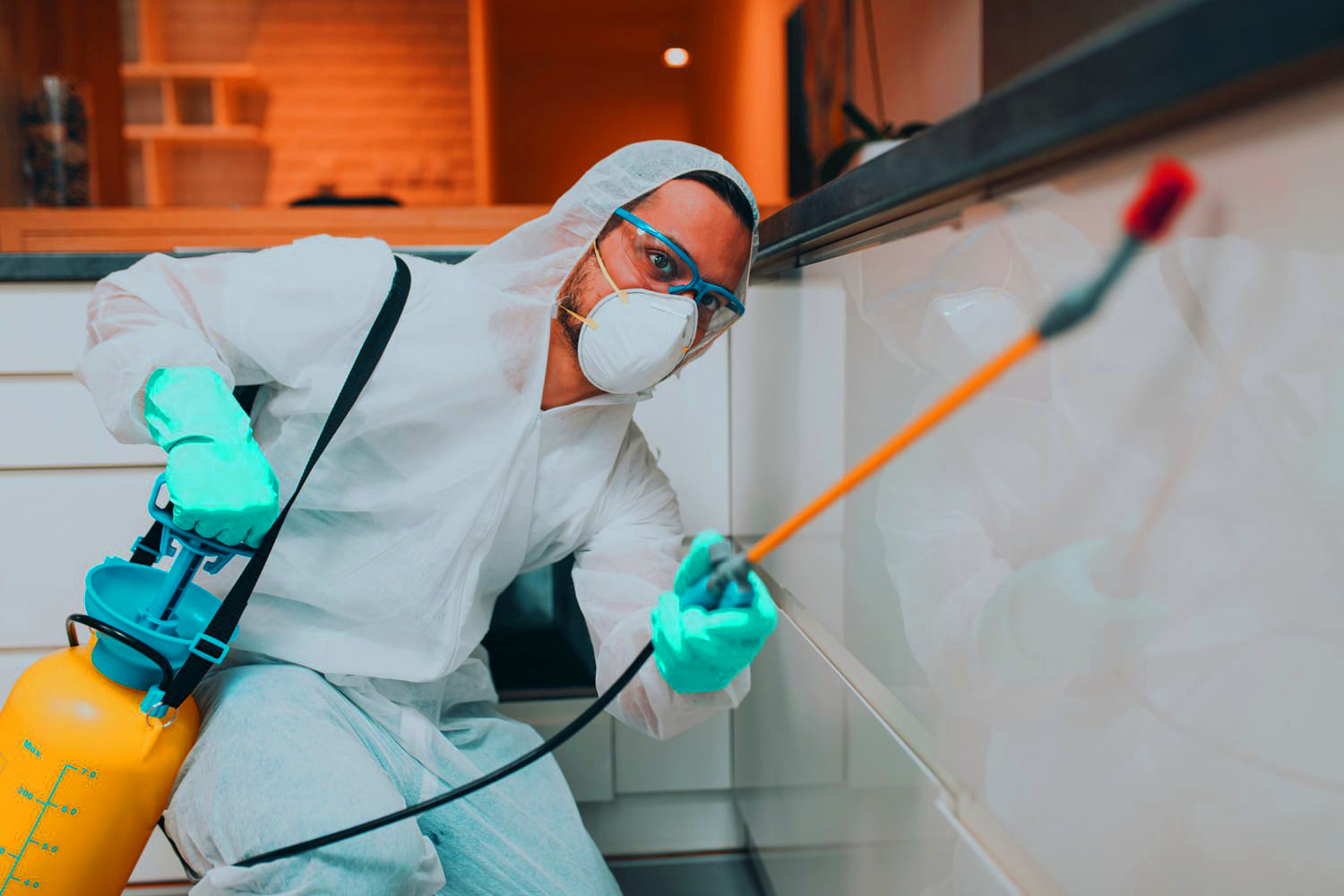
Bees, Wasps & Hornets Removal for Homes in Quebec Canada
Bees, wasps, and hornets are common in many parts of Quebec, especially during warmer seasons when they become highly active and begin building nests in trees, walls, roofs, and even ground-level soil. Homeowners in Pest Control Lasalle, Quebec, Canada often start noticing buzzing sounds, increased activity near windows, or nests forming on balconies and sheds. While bees are essential for pollination, their presence close to living spaces can become dangerous. Wasps and hornets are even more aggressive, and they defend their nests fiercely. This makes Bees, Wasps & Hornets Removal an important service for households that want to stay safe, avoid stings, and prevent insects from expanding their colonies near people or pets.
Why Bees, Wasps and Hornets Build Nests Near Homes
These stinging insects select areas that offer warmth, shelter, and easy access to food. Bees prefer sheltered cavities, while wasps and hornets often build their paper-like nests under roof edges, inside wall gaps, and around outdoor structures. Properties in Pest Control Laval, Quebec, Canada attract stinging insects because gardens, fruit trees, and outdoor food sources provide everything they need. Once a queen selects a place to build a nest, the population can grow quickly, sometimes reaching thousands of insects in a single season. Understanding why they settle near homes is the first step toward effective Bees, Wasps & Hornets Removal and long-term prevention strategies.
Warning Signs of a Growing Stinging Insect Problem
Most infestations start with a few insects hovering around a certain area. Over time, homeowners begin noticing increased activity and eventually find a nest hidden under a roof corner, behind shutters, or inside storage areas. Some nests are difficult to see because they are inside walls, attics, or crawl spaces. Homeowners in Pest Control Longueuil, Quebec, Canada sometimes discover hidden hornet nests only after hearing buzzing inside walls or spotting insects entering tiny cracks. If you notice multiple wasps around trash bins, bees collecting near vents, or hornets flying close to doorways, these signs suggest an active nest nearby that requires prompt attention. Early detection prevents insects from becoming a major risk.
Dangers of Handling Stinging Insects Without Proper Knowledge
Many people attempt to remove nests independently, but this can be extremely dangerous. Bees become protective if their colony feels threatened, while wasps and hornets are known for aggressive behavior and repeated stinging. Improper handling can lead to severe reactions, especially for individuals with allergies. Even homeowners with protective gear are at risk because wasps and hornets can attack in groups. This is why safe Bees, Wasps & Hornets Removal requires professional techniques, specialized tools, and knowledge of insect behavior. Trained experts understand how to approach nests at the right time of day, how to avoid triggering defensive responses, and how to use safe control products.
Differences Between Bees, Wasps, and Hornets
Bees are generally non-aggressive unless their hive is disturbed. Their primary focus is pollination, and they usually build nests in hollow trees or sheltered crevices. Wasps have slender bodies and are more territorial, building gray, papery nests that often hang from structures. Hornets are a type of wasp but larger, more powerful, and capable of delivering painful stings. Each species requires a different removal method. Bees are often relocated through safe techniques because of their environmental importance, while wasps and hornets usually require controlled elimination. Effective Bees, Wasps & Hornets Removal begins with identifying which type of insect is present and selecting the right treatment accordingly.
Professional Techniques Used for Safe Removal
Professional exterminators use proven methods to safely remove nests without provoking insect aggression. For bees, removal specialists often perform live relocation by carefully transferring the hive to a safe outdoor area. For wasps and hornets, experts use protective equipment, specialized dusts, foams, and controlled sprays designed to neutralize nests. Homes in Pest Control Lasalle, Quebec, Canada benefit from these professional methods because many nests form in high or dangerous places such as rooftops or tall trees. Professionals also inspect surrounding areas to ensure no secondary nests exist. Their approach ensures long-term safety and reduces the chance of insects rebuilding in the same location.
Why Professional Removal Is More Effective Than DIY
DIY sprays from hardware stores provide temporary relief but often fail to eliminate the entire nest. Many products reach only the surface, leaving eggs and larvae hidden deep inside. This allows colonies to rebuild quickly. Additionally, approaching a nest without proper gear puts homeowners at risk of multiple stings. Professional Bees, Wasps & Hornets Removal eliminates insects at the source, ensures complete nest treatment, and prevents future nesting. Specialists seal entry points, remove food sources, and advise homeowners on preventive habits. Their experience and equipment make the process faster, safer, and more reliable than any DIY method.
Preventive Steps to Avoid Future Stinging Insect Nests
After removal, prevention is essential to ensure insects do not return. Keeping garbage tightly sealed, cleaning outdoor eating areas, and removing fallen fruits helps reduce food sources. Homeowners should inspect eaves, vents, attics, and wall openings to ensure there are no gaps insects can use for nest building. In places like Pest Control Laval, Quebec, Canada, seasonal inspections are very helpful because wasps and hornets often start building small nests early in spring. Destroying small nests at this early stage prevents large colonies later in the season. Maintaining yard cleanliness, trimming shrubs, and sealing cracks make the environment less attractive to stinging insects.
How Weather and Seasons Affect Nesting Activity
Warm spring and summer weather encourage queens to begin building nests, and by mid-season, colonies expand rapidly. During fall, insects become more aggressive because food sources decrease. This is when homeowners notice increased stinging activity near doorways, garbage bins, and gardens. Cold weather kills most workers but queens survive in hidden places and start new nests the following year. Understanding these cycles helps prepare for seasonal Bees, Wasps & Hornets Removal and preventive maintenance. Scheduling inspections before peak nesting periods reduces risks and keeps properties safe year-round.
Impact of Stinging Insects on Families and Pets
The presence of bees, wasps, or hornets around homes causes stress and discomfort for families. Children and pets are especially vulnerable because they may unknowingly disturb nests. Stings from these insects can cause allergic reactions ranging from mild swelling to severe medical emergencies. Homes in Pest Control Longueuil, Quebec, Canada with outdoor play areas or gardens must be extra cautious. Quick, safe removal protects everyone and restores peace of mind. It also prevents accidental encounters and keeps outdoor spaces enjoyable throughout the year.
Environmental Importance and Safe Bee Relocation
Although wasps and hornets are pests near homes, bees play an essential role in the environment. That is why professional services often opt for relocation instead of extermination whenever possible. Relocating bee colonies protects pollinators and helps maintain ecological balance. Specialists carefully transfer bee hives to safe areas where they can thrive without posing risks. Choosing responsible Bees, Wasps & Hornets Removal not only protects your home but also supports important environmental efforts that benefit agriculture and plant life.
Conclusion
Stinging insect infestations should be taken seriously because they pose real risks to families, pets, and property. Whether dealing with bees, wasps, or hornets, safe and effective removal requires proper knowledge, protective equipment, and expert handling. By acting early, monitoring your outdoor environment, and seeking professional help, you can prevent stings, structural damage, and recurring infestations. Maintaining regular inspections and practicing good outdoor hygiene keeps your home safe, especially during peak seasons. For trusted and reliable removal services, you can count on My Pest Exterminator Service to provide fast, safe, and effective solutions.
Frequently Asked Questions
How do I know if I have a wasp or hornet infestation?
You may notice increased flying activity around your home, buzzing near rooflines, small papery nests attached to walls, or large enclosed nests in trees. Wasps and hornets often appear more aggressive when defending their colony, so if you see repeated sightings near one area, it is likely an active infestation that needs professional attention.
Are bees dangerous and should I remove them immediately?
Bees are usually less aggressive than wasps or hornets, but they can still sting when disturbed. While bees are important pollinators, they can become a safety risk if they nest inside walls, attics, or close to outdoor living spaces. Instead of destroying a colony, experts can relocate or remove it safely to protect your family and the environment.
Can I remove a wasp or hornet nest myself?
DIY nest removal is extremely risky because these insects respond aggressively when threatened. Sprays or home remedies often fail and can trigger a swarm attack. Professional removal is always the safer option because trained technicians use protective gear and proven methods to eliminate nests without putting anyone in danger.
What is the safest method to get rid of bees, wasps, or hornets?
The safest method is a targeted, professional removal process that identifies the species, locates the nest, and applies industry-approved treatments. For bees, experts often relocate the colony, while wasps and hornets require controlled extermination to stop future activity. This approach protects both people and property.
How long does professional nest removal take?
Most nest removal services take about one hour, depending on the size and location of the colony. Hard-to-reach nests in attics, high roofs, or concealed wall voids may take longer. After treatment, technicians inspect the area to make sure all activity has stopped and provide advice to prevent future nesting.
Will bees, wasps, or hornets come back after removal?
If the nest is fully removed and entry points are sealed, the chances of re-infestation are low. However, wasps and hornets often return during warmer months looking for new nesting sites. Preventive treatments, regular inspections, and sealing gaps around the home can greatly reduce the risk of them coming back.
Is nest removal safe for kids and pets?
Professional removal is designed to be safe for children, pets, and the environment. Technicians use controlled treatments that do not leave harmful residue. For bee relocation, non-toxic methods are used to ensure the colony is moved without affecting household safety or outdoor activity areas.
Related Posts
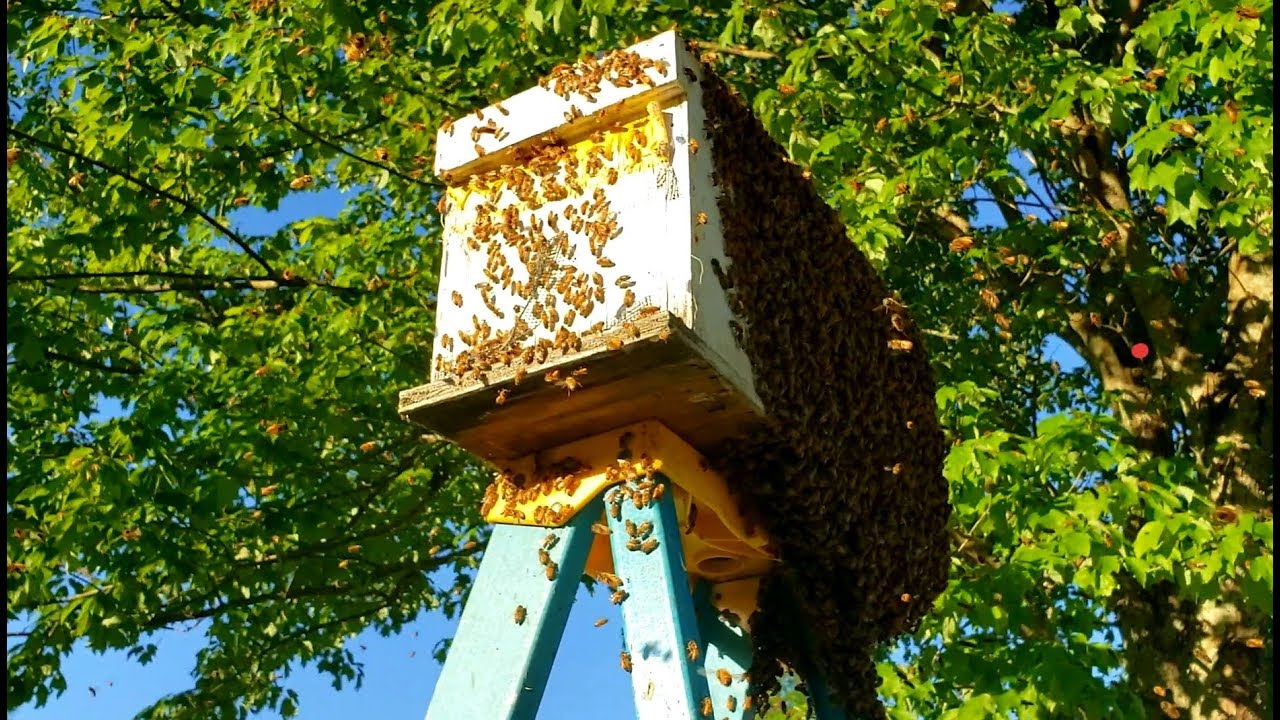
Creative Landscaping to Attract Bees Away From Entrances
Landscaping decisions play a crucial role in shaping outdoor environments, especially when homeowners aim to attract bees away from entryways. Thoughtful planning allows individuals to create spaces that guide pollinators toward designated garden areas instead of high-traffic zones. This approach supports both safety and ecological balance. Bees are naturally d
Leave a Reply