

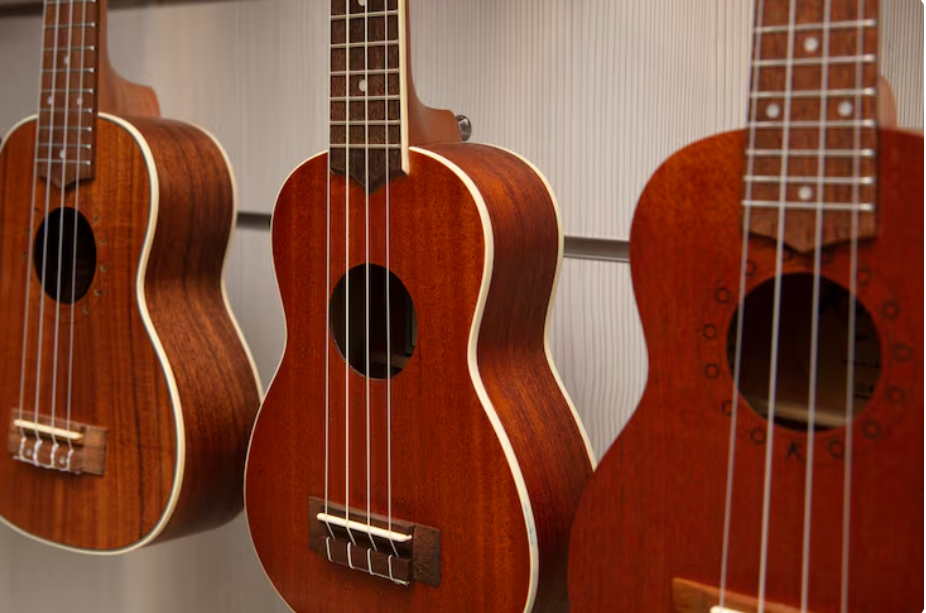
Crafting Tone and Comfort: A Deep Dive into 6 String Acoustic-Electric Guitars with Arm Bevel and 6 String Solid Wood Acoustic Guitars
The world of acoustic guitars continues to evolve, blending tradition with innovation to meet the demands of modern musicians. Among the many options available today, two categories stand out for their unique appeal and craftsmanship: 6 String Acoustic-Electric Guitars with Arm Bevel and 6 String Solid Wood Acoustic Guitars. Each type offers distinct advantages, making them popular among beginners, performers, and seasoned guitarists alike. Understanding their features, tonal qualities, and design elements can help players choose the perfect instrument to match their style and needs.
6 String Acoustic-Electric Guitars with Arm Bevel represent a modern approach to guitar design, where comfort and performance go hand in hand. The arm bevel is a carefully contoured edge on the upper bout of the guitar body, designed to reduce pressure on the player’s forearm. This seemingly small detail can make a significant difference during long practice sessions or live performances. By eliminating the sharp edge where the arm typically rests, these guitars provide a smoother and more ergonomic playing experience.
Beyond comfort, these guitars are equipped with built-in electronics, allowing players to amplify their sound without compromising tonal quality. This makes them ideal for stage use, recording sessions, and situations where projection is essential. The combination of acoustic resonance and electronic versatility gives musicians the freedom to experiment with different styles and settings. Whether performing in an intimate venue or a large concert hall, 6 String Acoustic-Electric Guitars with Arm Bevel offer reliability and adaptability.
On the other hand, 6 String Solid Wood Acoustic Guitars embody the essence of traditional craftsmanship. Unlike guitars made with laminate or composite materials, solid wood instruments are constructed from single pieces of tonewood for the top, back, and sides. This results in a richer, more resonant sound that improves over time as the wood ages and matures. Many players consider solid wood guitars to be the gold standard for acoustic tone, offering depth, clarity, and dynamic range that is difficult to replicate with other materials.
The tonal characteristics of 6 String Solid Wood Acoustic Guitars vary depending on the type of wood used. Spruce tops are known for their bright and responsive sound, while cedar offers warmth and sensitivity to light touch. Mahogany provides a focused midrange, and rosewood adds complexity and sustain. These tonal differences allow musicians to select a guitar that complements their playing style, whether they prefer fingerpicking, strumming, or a combination of both.
While traditional in nature, solid wood guitars are not limited to vintage designs. Many modern builders incorporate contemporary features, including cutaways for easier access to higher frets and advanced bracing patterns that enhance projection and stability. However, the emphasis remains on natural resonance and acoustic purity, making these instruments a favorite among purists and recording artists.
When comparing 6 String Acoustic-Electric Guitars with Arm Bevel and 6 String Solid Wood Acoustic Guitars, it becomes clear that each serves a different purpose. The former prioritizes comfort and versatility, making it an excellent choice for performers who need both acoustic and amplified capabilities. The arm bevel, in particular, addresses a common issue faced by guitarists, ensuring that extended playing sessions remain comfortable and enjoyable.
In contrast, 6 String Solid Wood Acoustic Guitars focus on tonal excellence and craftsmanship. They are often preferred by musicians who value authenticity and acoustic richness above all else. These guitars excel in unplugged settings, where their natural voice can shine without the need for electronic enhancement. For studio recordings, their nuanced sound can capture subtle details that elevate a performance.
Despite their differences, there is also overlap between these categories. Some modern guitars combine solid wood construction with acoustic-electric functionality and ergonomic features like arm bevels. This fusion represents the best of both worlds, offering players the tonal benefits of solid wood along with the convenience and comfort of contemporary design. As technology and craftsmanship continue to advance, the line between traditional and modern guitars becomes increasingly blurred.
Another important consideration is playability. Both types of guitars can be tailored to suit different skill levels and preferences. Neck profiles, fretboard materials, and string action all contribute to the overall feel of the instrument. For beginners, a comfortable guitar can make the learning process more enjoyable and less physically demanding. For experienced players, subtle differences in design can influence technique and expression.
Durability and maintenance also play a role in the decision-making process. Solid wood guitars require careful handling and proper humidity control to prevent cracking or warping. They are more sensitive to environmental changes compared to laminated instruments. Meanwhile, 6 String Acoustic-Electric Guitars with Arm Bevel may include additional components such as pickups and preamps, which require occasional maintenance but add significant functionality.
Aesthetic appeal is another factor that cannot be overlooked. Both categories offer a wide range of visual styles, from minimalist designs to intricate inlays and custom finishes. The natural grain of solid wood guitars often serves as a focal point, highlighting the beauty of the materials used. Arm bevels can also be visually striking, sometimes featuring contrasting woods or smooth contours that enhance the guitar’s overall look.
Ultimately, the choice between 6 String Acoustic-Electric Guitars with Arm Bevel and 6 String Solid Wood Acoustic Guitars depends on the player’s priorities. Those who perform frequently and require amplification may gravitate toward the former, appreciating the added comfort and versatility. Meanwhile, players who seek a pure acoustic experience may find that solid wood guitars better meet their expectations.
In many cases, guitarists choose to own both types of instruments, using each for different situations. A solid wood guitar might be reserved for recording or intimate performances, while an acoustic-electric model with an arm bevel becomes the go-to option for live shows and extended practice sessions. This approach allows musicians to fully explore the strengths of each category.
As the guitar industry continues to innovate, players can expect even more refined designs that combine comfort, tone, and functionality. Whether choosing 6 String Acoustic-Electric Guitars with Arm Bevel or 6 String Solid Wood Acoustic Guitars, the most important factor is finding an instrument that inspires creativity and enhances the playing experience. A well-chosen guitar becomes more than just a tool; it becomes a partner in musical expression, capable of bringing ideas to life with every note played.
Related Posts

How to Find the Best Clothing Manufacturers Today?
Introduction In today’s highly competitive fashion and apparel industry, choosing the right clothing manufacturers can make or break your business. Whether you’re launching a new clothing brand, scaling an existing one, or sourcing products for retail, the manufacturer you partner with directly impacts your product quality, pricing, and brand reputation

Hoe lang duurt een 15000 Puff Wegwerpbare Vape eigenlijk dagelijks?
Een e-sigaret met 15.000 trekjes gaat, afhankelijk van het gebruik, 10 dagen tot 10 maanden mee; bij intensief gebruik gaat hij weken mee, bij licht gebruik maanden.

Plumbing Services of Top Providers Expanding to More Counties in Georgia Assuring Quality Plumbing Solutions
Plumbing firms in Georgia, especially plumbing services Demorest GA are comprehensive and range from specialized contractors to players in residential and commercial plumbing. Many of the plumbing services near Demorest, GA, are long-standing companies with decades of local experience. Georgia has high demand for plumbing services with the highest combined sear

Chardham Yatra by Helicopter: 4‑Day Itinerary Plan
If you’re short on time and still want to complete all four Dhams with your family, Chardham Yatra by helicopter is one of the easiest and most comfortable options in 2026. With LIH TRAVEL, you can plan a smooth 4‑day Chardham heli yatra that covers Yamunotri, Gangotri, Kedarnath and Badrinath in one go, without long road journeys or heavy trekking. Thi
Leave a Reply