

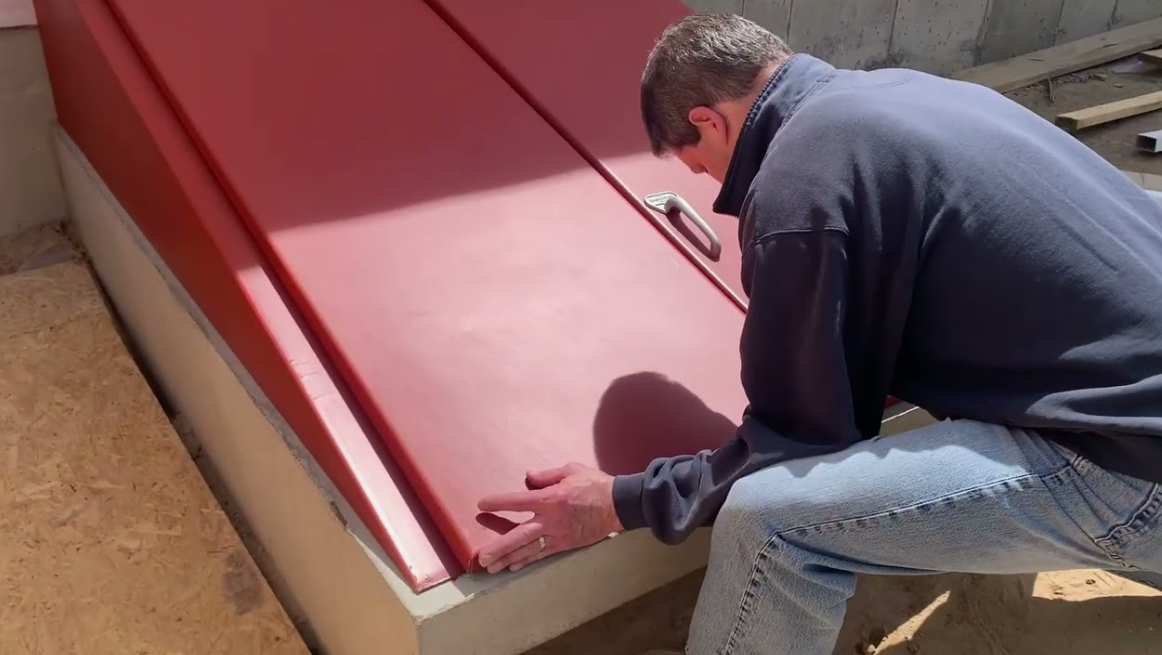
Choosing the Best Flooring for Basements: Durability, Aesthetics, & Moisture Resistance
Basements have a moisture problem. Even in homes with good drainage and waterproofing, basements tend to be more humid than the rest of the house. That makes flooring selection a different conversation than it is for any other room. The material you put down in a basement has to handle moisture, temperature fluctuations, and the reality that concrete subfloors behave differently than wood-framed floors above grade.
Choosing the best flooring for basements means balancing moisture resistance with appearance and comfort. And in 2026, there are more options available that do all three well.
Why Basements Are Different
The main challenge in a basement is the concrete slab. Concrete is porous. It absorbs moisture from the ground and releases it into the room through a process called vapor transmission. Even if the basement feels dry, there may be enough moisture moving through the slab to damage flooring that is not designed to handle it.
Temperature is another factor. Basements tend to stay cooler than the rest of the house, which means the flooring can feel cold underfoot unless the material or installation method accounts for it.
Finally, basements are more likely to experience water events. A heavy rainstorm, a backed-up sump pump, or a burst pipe can introduce standing water to the space. Flooring that cannot tolerate temporary water exposure will need to be replaced after even a minor incident.
Top Flooring Options for Basements
Not every flooring material belongs in a basement. Here are the ones that work well and why.
Luxury vinyl plank (LVP) is the most popular choice for basements in 2026. It is waterproof, installs over concrete without a moisture barrier in most cases, and comes in a wide range of styles. LVP is also comfortable to walk on and warmer underfoot than tile or bare concrete. For homeowners who want the look of hardwood without the moisture risk, LVP is the practical answer.
Porcelain tile is another strong option, especially in basements that are being used as bathrooms, laundry rooms, or utility spaces. Tile is completely waterproof, handles temperature changes well, and comes in styles that mimic wood, stone, and concrete. The downside is that tile is cold and hard underfoot, which can be addressed with area rugs or radiant floor heating.
Engineered hardwood can work in some basements, but it requires careful moisture testing before installation. Engineered boards handle humidity better than solid hardwood because of their layered construction, but they are not waterproof. If the basement has a history of water issues, engineered hardwood is not the best choice.
Epoxy and polished concrete are options for homeowners who want a modern, industrial look. Both are waterproof, durable, and low-maintenance. Stained and sealed concrete can look surprisingly good and works well in basements used as workshops, gyms, or entertainment spaces.
What to Avoid
Solid hardwood should not be installed in basements. It expands and contracts too much with moisture changes and is not compatible with concrete subfloors. Carpet is also a risky choice. It absorbs moisture, traps odors, and creates conditions for mold and mildew growth. If carpet is preferred for comfort, carpet tiles with a moisture-resistant backing are a better option than wall-to-wall broadloom because individual tiles can be removed and replaced if they get wet.
Subfloor Preparation
Before any flooring goes down, the concrete slab needs to be evaluated. A calcium chloride test or a relative humidity test will tell you how much moisture is moving through the slab. If the levels are too high, a moisture barrier or vapor retarder needs to be installed before the flooring.
Leveling the slab is also important. Basement floors are often uneven, especially in older homes. A self-leveling compound can smooth out low spots and create a flat surface for the flooring to sit on. Skipping this step leads to hollow spots, uneven planks, and clicking sounds when you walk across the floor.
Builders like Blum Custom Builders, who handle basement renovations as part of their residential services, typically include subfloor preparation in the project scope. This is one area where cutting corners almost always leads to problems, so it is worth making sure it is done correctly from the start.
Comfort Underfoot
Basements are naturally cooler, and hard flooring materials can make them feel even colder. There are a few ways to address this.
Radiant floor heating installed beneath tile or LVP adds warmth without taking up wall space or drying out the air the way forced-air systems do. It can be run on a timer so the floor is warm during the hours the basement is being used.
Underlayment with thermal properties can be placed between the concrete and the flooring to add a slight cushion and reduce heat loss through the slab. Cork and foam underlayments are both popular options for this purpose.
Area rugs are the simplest solution. Placing rugs in seating areas and walkways adds warmth and softness without committing the entire floor to a material that might not handle moisture well.
Making the Right Choice
The best flooring for basements is the one that handles the moisture conditions of the space while still looking good and feeling comfortable. LVP and porcelain tile cover the majority of basement applications well. Epoxy and polished concrete work for homeowners who want something different. And engineered hardwood is an option in basements where moisture has been thoroughly tested and controlled.
Start with a moisture test, prepare the subfloor properly, and choose a material that fits how you plan to use the space. A basement floor that is installed with the right material and the right preparation will hold up for years without the problems that come from ignoring the realities of below-grade construction.
Related Posts
Southeast Asia Halal Cosmetics Market Size & Forecast, 2033 | UnivDatos
According to UnivDatos, a rising Muslim population base, increasing disposable income, strong regulatory framework for halal certification, growing awareness of ingredient transparency, expansion of e-commerce platforms, rising demand for ethical and clean beauty, and the youth demographic advantage driving beauty consumption are driving the Southeast Asia Hala
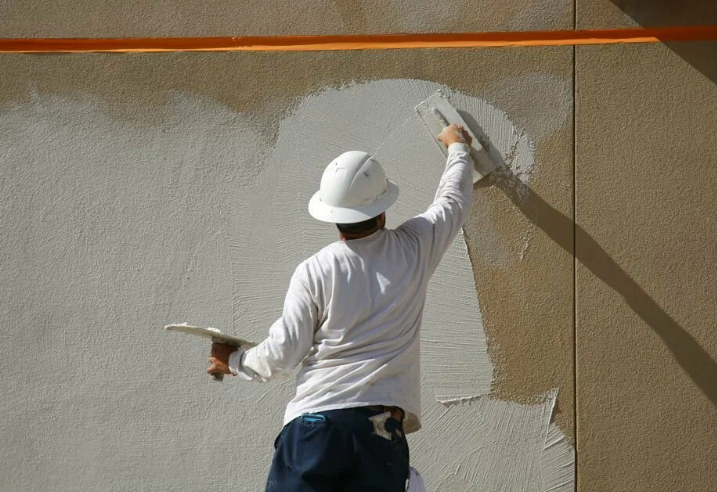
How Stucco Work Protects Your Home Beyond Just Appearance
Many homeowners view the exterior of their residence as a simple aesthetic choice, much like selecting a paint color or a style of shutter. However, the true utility of high-quality stucco work lies in its ability to function as a sophisticated drainage system. When applied correctly, stucco acts as the primary defense in a complex building envelope strategy. I
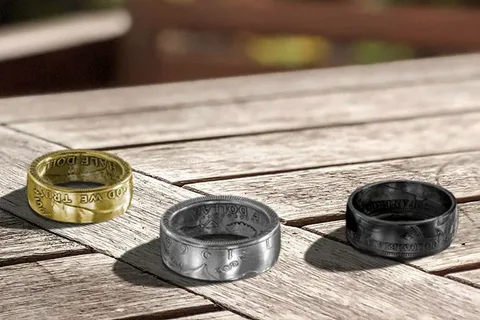
How to Start a Ring Business
Starting a ring business in the UK is one of the most promising opportunities in the jewellery industry. Rings are timeless products with strong emotional, cultural, and fashion value. From engagement and wedding rings to fashion and personalised designs, demand remains consistent throughout the year. However, building a successful ring brand requires more than
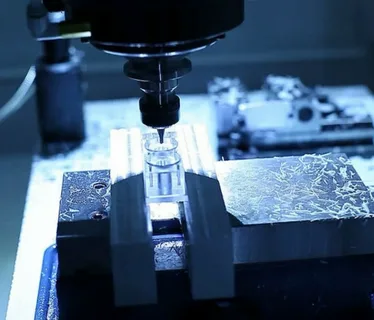
Future Trends in CNC Machining Plastic Technology
The future of cnc machining plastic is strongly driven by increasing precision and automation. Modern CNC systems are evolving with AI-driven controls, allowing machines to produce highly accurate plastic components with minimal human intervention. This shift is making production faster, more reliable, and cost-effective for industries such as aerospace, automo
Leave a Reply