

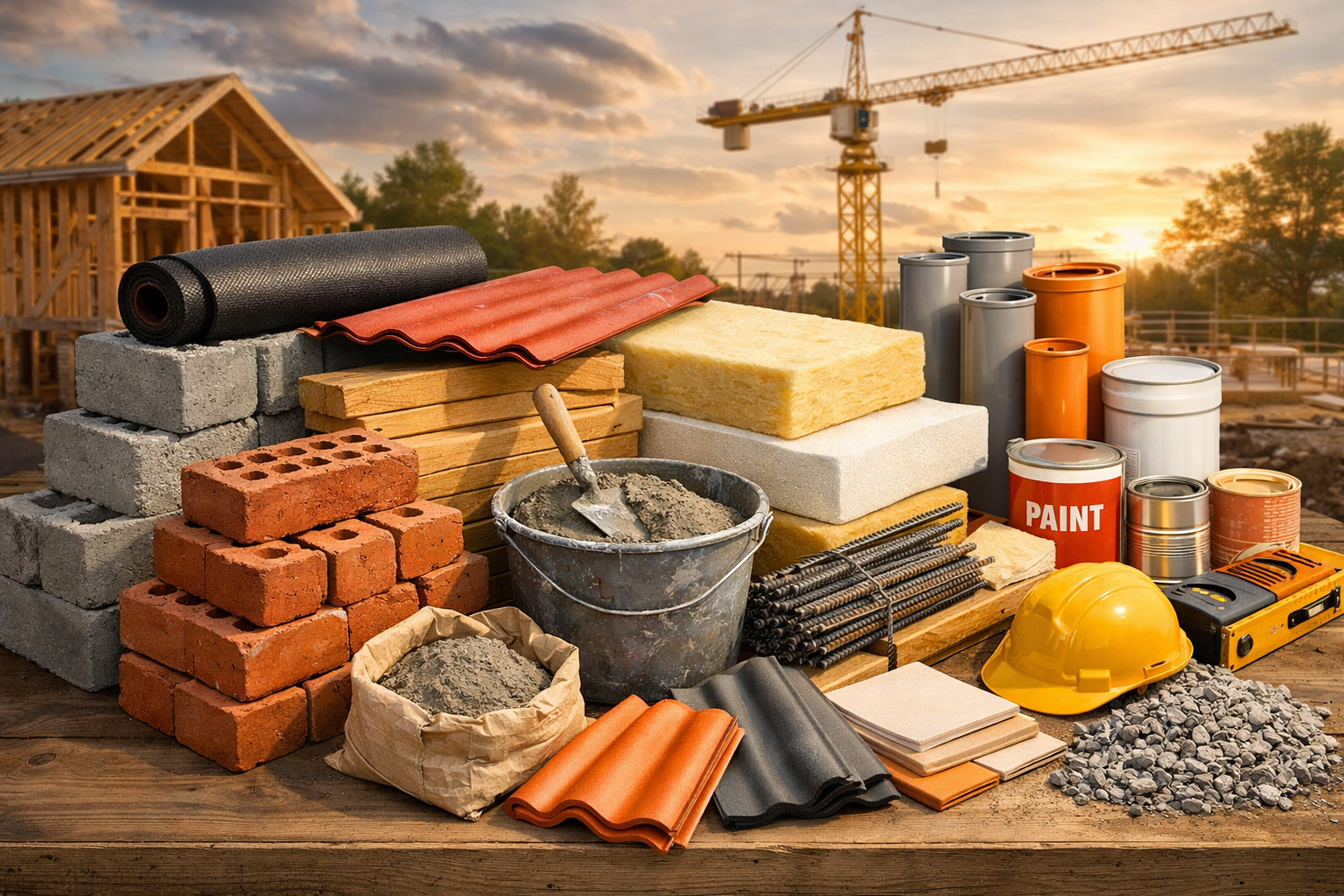
Building Material Guide for Strong, Durable, and Efficient Construction
Strong Construction Begins with the Right Choices
Every construction or renovation project starts with one crucial decision—selecting the right materials. The strength, durability, and reliability of any structure depend on what goes into building it. From the foundation to the finishing details, each component plays an important role.
Choosing the right building Material ensures that your project is stable, efficient, and built to last. Making informed decisions at the beginning helps avoid future repairs and improves overall performance.
Understanding the Importance of Building Materials
Building materials are the backbone of any structure. They provide support, protection, and functionality, ensuring that the building can withstand environmental conditions and daily use.
Materials such as concrete, wood, steel, and bricks each serve specific purposes. When combined correctly, they create a balanced and durable structure.
Selecting the right materials not only improves strength but also enhances efficiency and safety.
Types of Essential Building Materials
Different materials are used at various stages of construction. Understanding their roles helps in making better choices.
Concrete and Cement
These materials are essential for foundations and structural elements. They provide strength and stability.
Wood
Wood is commonly used for framing and finishing. It offers flexibility and a natural appearance.
Steel
Steel is known for its high strength and load-bearing capacity. It is widely used in modern construction.
Bricks and Blocks
These are used for walls and partitions. They provide insulation, durability, and fire resistance.
Using the right combination of materials ensures a well-structured and reliable build.
Balancing Cost and Quality
Budget is an important factor in construction, but focusing only on cost can lead to compromises in quality.
High-quality materials may have a higher initial cost, but they offer better durability and long-term performance. This reduces the need for frequent repairs and maintenance.
A balanced approach involves investing in quality materials for critical areas while choosing cost-effective options for less essential parts.
Compatibility and Structural Integrity
Materials must be compatible to ensure the strength and stability of the structure. Incompatible materials can lead to issues such as cracks, corrosion, or reduced efficiency.
For example, certain finishes may not adhere properly to specific surfaces, and some materials may react differently under environmental conditions.
Understanding compatibility helps in selecting materials that work well together.
Sustainability in Modern Construction
Sustainable construction practices are becoming increasingly important. Choosing eco-friendly materials helps reduce environmental impact and improve energy efficiency.
Recycled materials, energy-efficient insulation, and low-emission products are popular choices. These options not only benefit the environment but also enhance the value of the structure.
Sustainability contributes to long-term savings and better performance.
Planning and Preparation
Proper planning is essential for successful construction. This includes selecting materials, estimating quantities, and organizing resources.
A well-planned project reduces waste, prevents delays, and ensures efficient use of materials. It also helps in identifying potential challenges early.
Preparation leads to better decision-making and improved outcomes.
Storage and Handling of Materials
Maintaining the quality of materials requires proper storage and handling. Exposure to moisture, heat, or improper conditions can damage materials.
Cement should be stored in dry areas, wood should be protected from moisture, and steel should be kept away from corrosive environments.
Careful handling ensures that materials remain effective until they are used.
Innovation in Building Materials
Advancements in technology have introduced new materials that offer improved performance and efficiency. Modern materials are designed to be stronger, lighter, and more durable.
These innovations also focus on sustainability and energy efficiency, making them suitable for modern construction needs.
Staying updated with new developments helps in making smarter material choices.
Maintenance and Long-Term Value
The durability of a structure depends on proper maintenance. Regular inspections and timely repairs help preserve material quality.
Using high-quality building materials reduces maintenance needs and ensures long-term performance. Proper care keeps the structure safe and functional over time.
Final Thoughts
Choosing the right materials is one of the most important steps in any construction project. By focusing on quality, compatibility, and sustainability, you can achieve strong and reliable results.
Using the right building Material ensures durability, efficiency, and long-term value. With proper planning and maintenance, your project can stand the test of time and deliver lasting success.
Related Posts

How to Verify the Authenticity of a University Offering Distance MBA
Distance MBA programs are gaining immense popularity worldwide, offering working professionals, entrepreneurs, and career switchers the flexibility to enhance their business skills without attending a traditional campus. However, with the rise in online education, not all universities offering distance MBAs are legitimate. Verifying the authenticity of a univer

How to Launch a Skincare Brand Through a Manufacturing Partner
Launching a skincare brand today is much easier than it was a few years ago. You no longer need a factory, a large team, or heavy investment to begin. What you really need is clarity, the right product idea, and a reliable manufacturing partner who can turn your idea into a real product. Many successful brands follow this model. They focus on building the brand
How Do Well-Structured Articles Build Topical Authority?
The topical authority building is a strategic process that moves beyond keyword density to focus on comprehensive expertise. The foundation of this approach is well-structured content, which indicates to users and search engines that a website is a trustworthy information source. Creators may show that they have a deep grasp of their area by addressing the comp
Folic Acid Tablets in Pakistan | Price & Benefits
Buy folic acid tablets in Pakistan at best prices. Learn benefits, uses, dosage, and where to get high-quality folic acid supplements for health and wellness.
Leave a Reply