

The Art of the Scout – Strategic Waterfowling in Northeast Arkansas
The Art of the Scout – Strategic Waterfowling in Northeast Arkansas
Locating “The X”
Weather-Driven Tactics
- High Skies and Sunshine: On clear days, shadows and concealment are the guide’s best friends. This is when the club’s heated pits and low-profile field blinds shine, allowing hunters to stay hidden even when ducks are circling from high altitudes.
- The Big Freeze: When the thermometer drops and shallow water begins to skim over with ice, the game changes. The guides utilize ice eaters and motion decoys to keep water open, creating an irresistible “oasis” for ducks looking for a place to drink and feed.
- Rain and Wind: Strong south winds often bring new pushes of birds. During these times, the guides shift focus to the flooded timber, where the trees provide a windbreak for the ducks and a spectacular close-quarters shooting experience for the hunters.
Diverse Species Management
The Professional Edge
Related Posts

How to Use Leverage to Defeat Larger Opponents in BJJ
Brazilian Jiu Jitsu (BJJ) is often described as the “gentle art,” but a more accurate description might be the “art of applied physics.” At its core, the discipline is designed to allow a smaller, weaker person to successfully defend against and defeat a larger, more powerful attacker. This is not achieved through magic or superior aggre
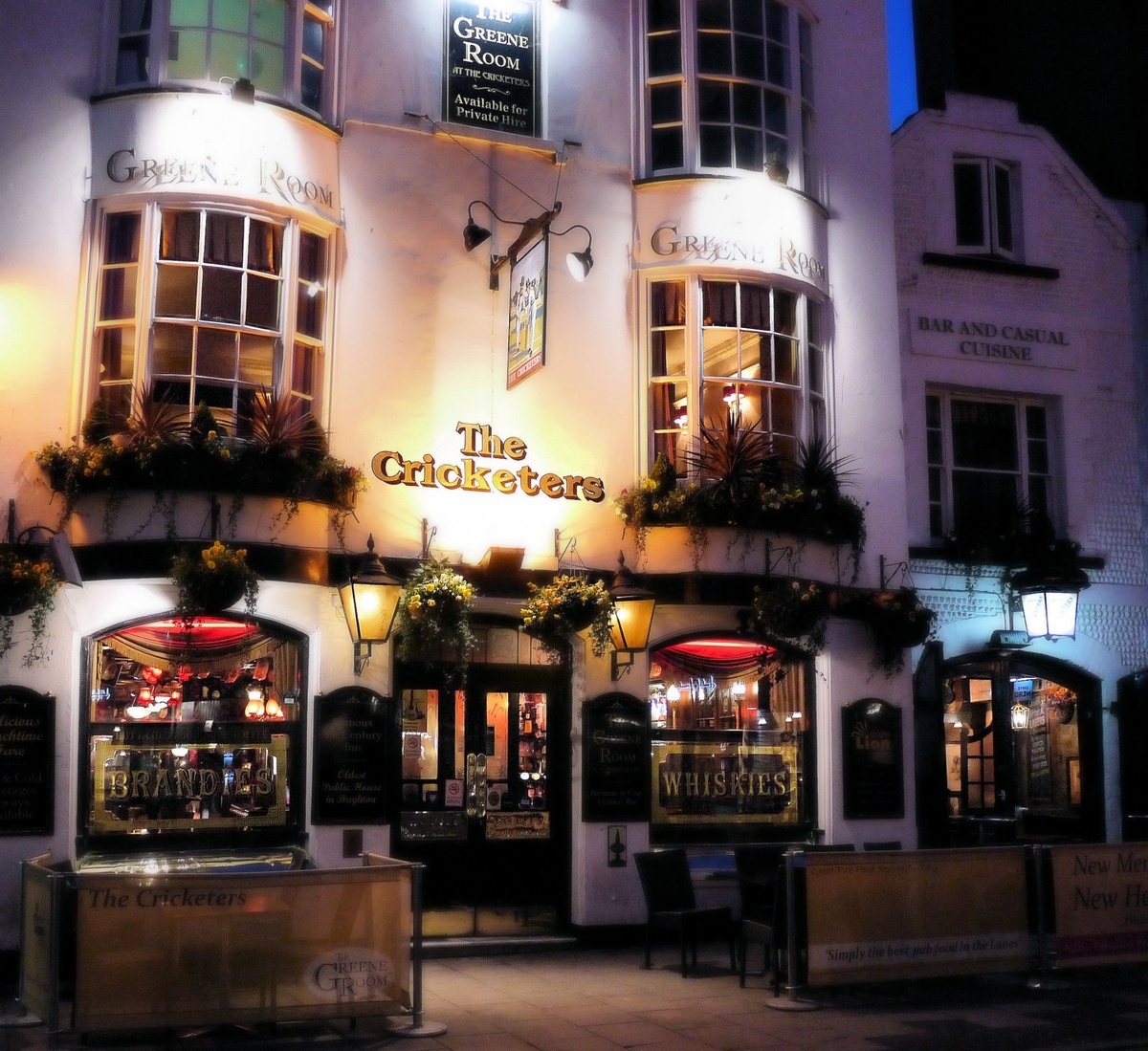
Inside the Charm of The Prestonville Arms: Brighton’s Classic Community Pub
Inside the Charm of The Prestonville Arms: Brighton’s Classic Community Pub The Prestonville Arms Web Address: 64 Hamilton Rd, Brighton and Hove, Brighton BN1 5DN, United Kingdom Phone: +441273112775 Tucked just a short stroll from the buzz of Brighton’s city centre, The Prestonville Arms stands out as one of the city’s most beloved traditional local pubs

App Development Agency: Building Powerful Mobile Applications for Modern Businesses
In today’s digital era, mobile applications have become an essential part of everyday life. From shopping and communication to banking and entertainment, users rely heavily on mobile apps for almost everything. As a result, businesses are increasingly investing in mobile applications to connect with their customers in a more direct and convenient way. However
Affordable Chauffeur Service from JFK Airport Transfers
Traveling through John F. Kennedy International Airport (JFK) can be exciting, but it often comes with challengeslong lines, crowded terminals, and the stress of finding reliable transportation. Whether you’re a business traveler, a tourist, or a local returning home, choosing the right transfer option can make or break your journey. An affordable chauffe
Leave a Reply