


What Smart Buyers Look for in Carpet Stores Across Georgia
Walking into a carpet store can feel overwhelming. Endless rows of samples, confusing price tags, and eager salespeople can make it hard to think clearly. But the truth is, carpet shopping doesn’t have to be stressful when you know what to focus on.
Georgia holds a unique position in the flooring world. Cities like Dalton are widely recognized as the “Carpet Capital of the World,” meaning you’re shopping in one of the most competitive and well-supplied markets available. That works in your favor—better options, better pricing, and more variety.
Here’s how to approach your visit with confidence.
Understand What Makes Georgia Different
Before stepping into a store, it helps to understand why Georgia stands out. With many manufacturers based locally, stores often receive inventory faster and at lower costs. That usually translates into more competitive pricing and a wider selection for buyers.
In simple terms, buying carpet here gives you access to better value compared to many other regions. Knowing this puts you in a stronger position when comparing options or negotiating.
Focus on the Right Type of Carpet
Variety is a good thing—but only if you know what you’re looking at.
Most stores will carry a range of fibers like nylon, polyester, wool, and triexta. Each serves a different purpose. Nylon is known for durability, polyester offers softness and vibrant color, wool provides a premium feel, and triexta is highly stain-resistant.
Pile style matters just as much. Cut pile feels soft and comfortable, loop pile is more durable for high-traffic areas, and cut-and-loop designs add texture and visual interest.
You may also come across carpet tiles or squares. These are practical, especially in spaces like home offices or playrooms, since damaged sections can be replaced individually without redoing the entire floor.
Test Before You Decide
Don’t just look—interact with the samples.
Try bending a carpet piece backward. If the backing becomes easily visible, it may lack density and wear out faster. Press your hand into the fibers and see how quickly they bounce back. Strong recovery usually means better durability.
Also, check for certifications like Carpet and Rug Institute’s Green Label Plus. This indicates lower emissions and better indoor air quality, which is especially important for homes with children or allergy concerns.
Look Beyond the Price Tag
The listed price is rarely the final cost. Installation, padding, furniture moving, and old carpet removal are often separate charges.
Always request a detailed, written estimate. Compare multiple stores side by side—not just the total, but what’s included. A lower price may exclude key services that another quote already covers.
And don’t hesitate to negotiate, especially if you’re carpeting multiple rooms.
Don’t Overlook Carpet Padding
Padding may be out of sight, but it plays a major role in comfort and longevity.
High-quality padding improves cushioning, reduces noise, and helps extend the life of your carpet. Poor padding, on the other hand, can lead to uneven wear and early damage.
Ask about density and thickness. For most homes, a medium-to-high density padding provides a solid balance of support and comfort.
Ask About Installation Quality
Even the best carpet won’t perform well if installed poorly.
Ask whether the store uses in-house installers or subcontractors. In-house teams are often more accountable. Also ask about timelines, preparation requirements, and whether installation is covered by a separate warranty.
Clear answers here can prevent costly issues later.
Pay Attention to the Staff
The way a salesperson interacts with you says a lot about the store.
A knowledgeable professional will ask about your lifestyle—pets, children, foot traffic—to recommend the right product. If someone pushes for a quick decision or avoids detailed questions, consider it a red flag.
You should feel guided, not pressured.
Understand the Warranty
Carpet warranties can be more complex than they seem.
Typically, you’ll have a manufacturer warranty covering defects and a separate installation warranty covering workmanship. Be sure to ask what conditions might void these—such as improper cleaning methods or incorrect padding.
Knowing this upfront helps you protect your investment.
Consider Eco-Friendly Options
Many modern carpets are designed with sustainability in mind. Some are made from recycled materials, while others use low-emission adhesives that improve indoor air quality.
If environmental impact matters to you, ask about eco-certified options. Stores that can clearly explain these products usually demonstrate a higher level of expertise overall.
Check Reviews Before You Visit
A quick online search can reveal a lot.
Look beyond star ratings and read detailed reviews, especially recent ones. Patterns—good or bad—are more important than isolated opinions. Platforms like Better Business Bureau can also provide helpful insights.
Personal recommendations from friends or neighbors are equally valuable.
Evaluate the Showroom Itself
The store environment can tell you more than you think.
A clean, well-organized showroom usually reflects attention to detail. Also pay attention to lighting—carpet can look very different under showroom lighting compared to your home.
Whenever possible, take samples home to see how they look in your own space.
Final Thoughts
Carpet shopping doesn’t have to feel overwhelming. With the right approach, you can navigate options, pricing, and installation with confidence.
Whether you choose a soft, plush carpet or practical modular tiles, the best option is one that fits your lifestyle, budget, and space.
Take your time, ask the right questions, and explore what Georgia’s carpet market has to offer. When you find the right store and the right product, the entire process becomes far more rewarding—and far less stressful.
Related Posts
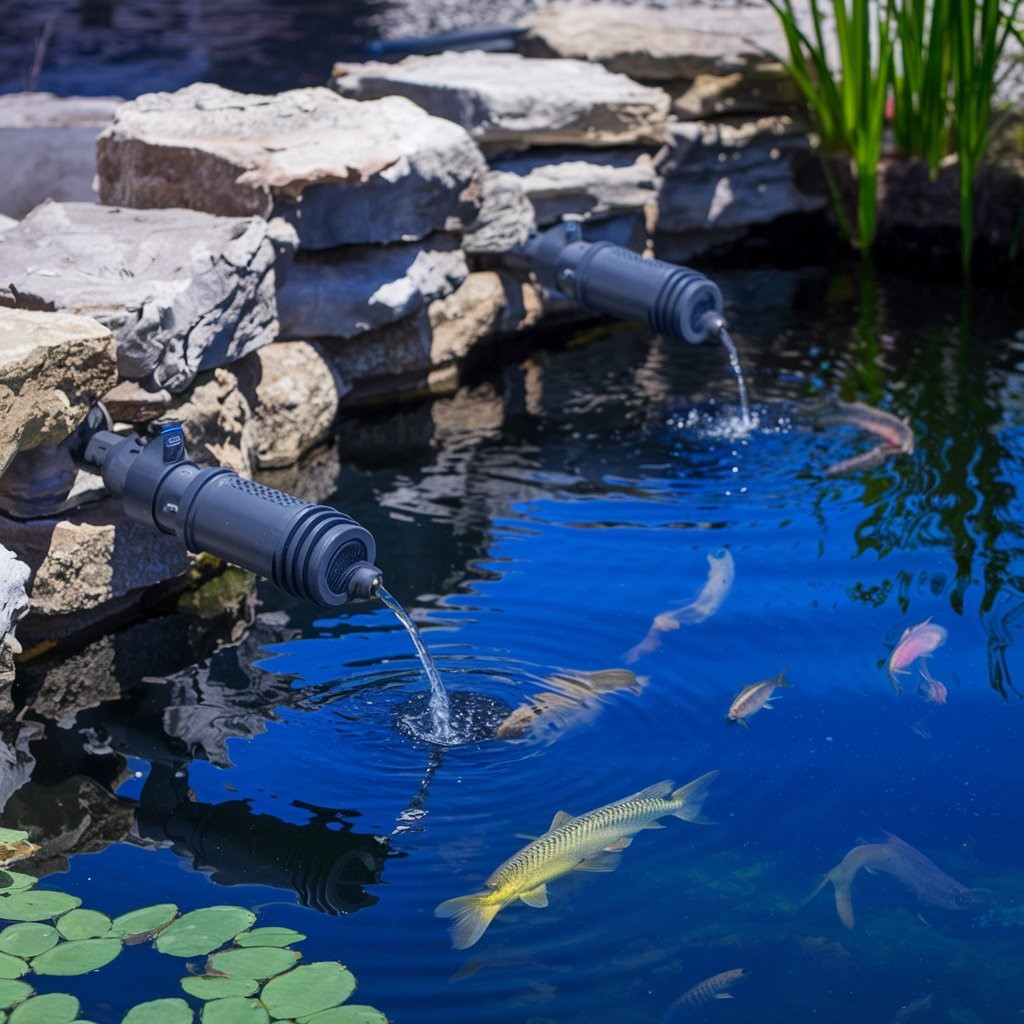
How a Pond Pump Keeps Your Pond Healthy and Thriving?
A pond is more than just something pretty to look at. It is a living home for fish and plants. Water needs to keep moving, stay clean, and have enough oxygen. The pond pump is very important for this. Without it, water can stop moving, dirt can build up, and fish can get sick. Whether you have a koi pond or a small backyard pond, a good pump keeps the water mov

Contemporary Custom Tissue Packaging Boxes For Retail
The significance of custom tissue packaging boxes is to turn the banal goods into brand experiences. The packaging is not merely used to provide a protective layer in a market where the presentation is a factor that defines the buying behaviour. It is quality, hygiene and brand. In the domestic applications to the retail stores, the neatly designed tissue boxes

Farm & Ranch Guide for Efficient Operations and Sustainable Growth
Managing agricultural land requires more than just hard work—it demands planning, the right resources, and consistent care. Whether you are running a small operation or managing large land areas, efficiency and sustainability are key to long-term success. Focusing on Farm & Ranch management helps ensure better productivity, healthier livestock, and improv

Bistro 555: “Casual Dining, Serious Flavor” (Because Fancy Suits Are Itchy)
Bistro 555: “Casual Dining, Serious Flavor” (Because Fancy Suits Are Itchy) There’s a myth that if you want “Serious Flavor,” you have to put on a tie, learn how to use a fish knife, and speak in a hushed whisper. We at Bistro 555 think that’s nonsense. We believe in “Casual Dining”—the kind where you can breathe, laugh
Leave a Reply