

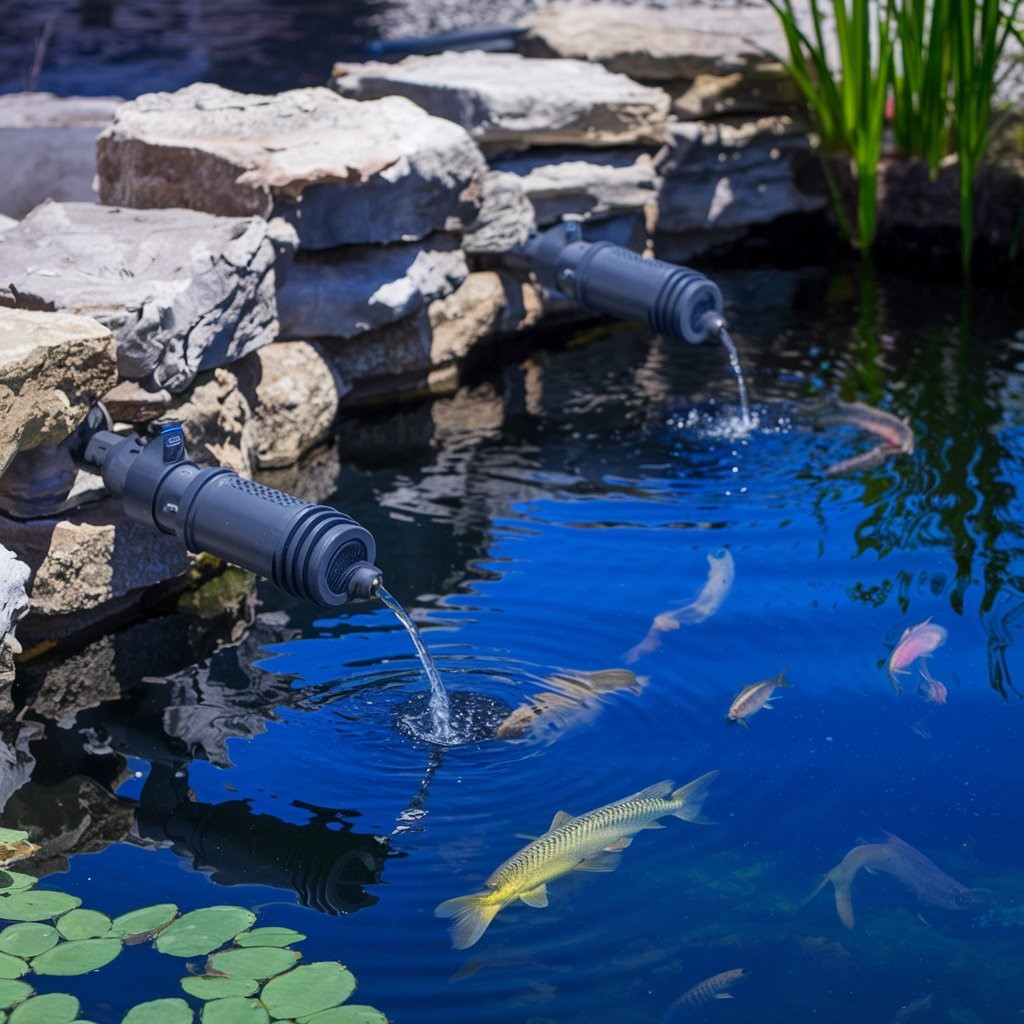
How a Pond Pump Keeps Your Pond Healthy and Thriving?
A pond is more than just something pretty to look at. It is a living home for fish and plants. Water needs to keep moving, stay clean, and have enough oxygen. The pond pump is very important for this. Without it, water can stop moving, dirt can build up, and fish can get sick. Whether you have a koi pond or a small backyard pond, a good pump keeps the water moving and the pond healthy.
The presence of a good pond pump will ensure that the water moves in a cycle around the filtration system, eliminating waste throughout the system and providing oxygen. Turbidity also stops the growth of algae and facilitates the breakdown of organic matter by beneficial bacteria. Companies such as Aquabead, which specializes in the provision of technologically enhanced pond filtration systems, emphasize the need to ensure that pumps are combined with quality filters in order to develop an ideal, clean, and healthy pond ecosystem.
The Importance Of Circulation Of Water
Even still water might appear calm, yet it may lead to troubles in a pond. Waste food, leaves, and fish waste are deposited at the bottom and emit poisonous gases over time. There is a possibility of increasing the level of ammonia, which poses unhealthy conditions for fish.
A pond pump is a pump that ensures the water circulates around the pond, thus dispersing oxygen in the water. This will allow the fish to remain healthy and also allow good bacteria that will naturally purify the water. The circulation also eliminates temperature variations that might cause strain to the fish and the biological equilibrium of the pond. A reliable pond pump allows the owners of the pond to have a constant environment throughout the year.
How Pond Pumps Work With Systems?
Filtration systems need water flow to work correctly. The pond pump and filter combination ensures that water moves continuously, cleaning the pond efficiently.
The pump draws water from the pond and pushes it through mechanical and biological filters. Mechanical filters capture visible debris like leaves and algae, while biological filters host helpful bacteria that break down harmful ammonia and nitrites. Without enough pump power, filters cannot work properly, toxins may build up, and algae can grow. High-quality pond pump and filter systems keep water circulating steadily, ensuring a clean and balanced pond.
Types of Pond Pumps
Pond owners have several pump options depending on pond size, filtration, and water feature design.
- External Pond Pumps: These pumps sit outside the pond and are ideal for large or commercial setups. They deliver strong water flow and handle bigger filtration systems.
- Submersible Pond Pumps: These are placed directly in the pond. They are perfect for small and medium ponds because installation is simple and maintenance is easy. Submersible pumps are also quieter because the surrounding water dampens the noise.
- High-Flow Pumps: Large ponds or ponds with waterfalls need pumps capable of moving large volumes of water. High-flow pumps maintain even circulation across larger pond ecosystems.
Choosing the right type ensures proper water movement and keeps the filtration system effective.
Benefits of Installing a Good Pond Pump
Using a good pond pump brings many advantages:
- Cleaner Water: Moving water stops it from getting stagnant and helps filters remove dirt and waste.
- More Oxygen: Flowing water takes in oxygen from the air, which fish and helpful bacteria need.
- Less Algae: Water movement reduces nutrients that algae feed on, keeping the pond clear.
- Healthier Fish: Fish stay active, strong, and less stressed in clean, oxygen-rich water.
- Better Filtration: Pumps make sure water passes through filters all the time, so they work well.
All these benefits together create a balanced pond. Fish, plants, and good bacteria can grow and stay healthy.
How to Choose the Right Pond Pump?
Picking the right pond pump depends on a few things:
- Pond Size: The pump should move all the water in the pond at least once every 1–2 hours. Bigger ponds need stronger pumps.
- Number of Fish: Ponds with koi or many fish make more waste. They need a more powerful pump.
- Filter Compatibility: The pump must give enough water flow for the filter to work well.
- Energy Use: Pumps that use less electricity save money but still keep water moving.
Experts like Aquabead suggest matching the pump with your filter. This makes sure water flows evenly and keeps your pond healthy.
Energy-Efficient Pond Pumps
Modern pond pumps are strong but use energy wisely. Many pumps have motors that adjust automatically, saving electricity while still moving water well.
Good pumps are made from tough, rust-resistant materials, so they last a long time. Submersible pumps are quiet, letting you enjoy your pond without loud noises.
Energy-saving pumps cost less to run and keep water moving reliably. They work well for small backyard ponds and large koi ponds alike.
How to Maintain Your Pond Pump?
Even the best pond pumps need regular care to work well and last longer. Taking care of your pump keeps water moving and prevents problems.
Pond owners can follow these simple steps:
Clean the Pump: Remove algae, dirt, and debris from the pump intake regularly.
Check the Pump Body: Make sure nothing is blocking the water flow.
Movement Survey: Check that water is moving properly and the pump is working well.
Remove Debris: Take out leaves and other organic matter that could clog the pump.
Seasonal Care: Do extra maintenance before winter and spring.
Regular care keeps the pump running smoothly and helps the pond stay healthy for fish, plants, and beneficial bacteria.
Why Submersible Pond Pumps Are Popular?
For many pond owners, a submersible pond pump is the easiest and most practical choice. These pumps work underwater, so installation is simple and requires minimal plumbing.
Submersible pumps are compact and energy-efficient. Because they sit inside the pond, they move water directly toward the filter while operating quietly. Many homeowners like this design because the pump stays hidden and blends naturally with the pond environment. When paired with a pond pump and filter system, submersible pumps provide reliable circulation and keep water clear and healthy.
Keeping Your Pond Ecosystem Healthy
A pond is a small ecosystem that relies on balance and constant water movement. A pond pump keeps water circulating, helps filtration systems work, and spreads oxygen throughout the pond.
Without a reliable pump, water can become dirty, waste can build up, and fish may become unhealthy. Selecting the right pump and taking care of it regularly ensures clean water, a healthy pond, and thriving fish.
Companies like Aquabeadprovide equipment that works seamlessly with pond pumps and filter systems, helping pond owners maintain a balanced and vibrant pond all year round.
Frequently Asked Questions
What does a pond pump do?
A pond pump moves water through the pond and filtration system, removing debris and keeping the water oxygenated.
How do pond pumps work with filters?
The pump pushes water through the filter, which removes waste before returning clean water to the pond.
What size pump do I need?
The pump should circulate the full pond volume once every one to two hours. Larger ponds or ponds with more fish require stronger pumps.
Are submersible pumps good for small ponds?
Yes. They are easy to install, quiet, and fit neatly inside the pond.
Should a pond pump run continuously?
Yes. Constant circulation ensures proper oxygen distribution and effective filtration.
How often should a pump be cleaned?
Check and clean it every few weeks to prevent clogs and maintain steady water flow.
Where can I buy reliable pond pumps?
High-quality pumps can be purchased from companies like Aquabead, known for reliable pond circulation and filtration equipment.
Related Posts
Arbutin Beta: A Trusted Ingredient for Brighter and Even-Toned Skin
Introduction Arbutin Beta has gained strong attention in the skincare space for its ability to support a clearer and more even complexion. People dealing with dark spots, pigmentation, or uneven tone are always searching for something gentle yet effective, and this ingredient fits that need well. Derived from natural sources, Arbutin Beta works without being ha
Enhancing Outdoor Living with Custom Decks in Weaverville and Covered Porches in Western NC
Western North Carolina is known for its breathtaking mountain views, mild seasons, and a lifestyle that embraces the outdoors. Homeowners across the region are increasingly investing in outdoor living spaces that blend comfort, functionality, and natural beauty. Among the most popular upgrades are custom decks in Weaverville, NC and covered porches throughout W

The Complete Guide to Next-Gen Search Optimization Services in the Emirates
The digital landscape in the United Arab Emirates moves faster than a supercar on Sheikh Zayed Road. If you still think that ranking on the first page of Google is the final goal, I have some news for you. The game has changed. We are no longer just in the era of keywords and backlinks. We are in the era of answers. When a user in Dubai asks their phone for the

Doudoune Canada Goose: Best Jackets for Harsh Winters
When temperatures drop to extreme lows and icy winds become a daily challenge, having the right winter jacket is no longer a luxury—it’s a necessity. Among the most trusted names in premium outerwear, the doudoune Canada Goose stands out as a symbol of durability, warmth, and timeless style. Designed to withstand some of the harshest climates on earth, thes
Leave a Reply