

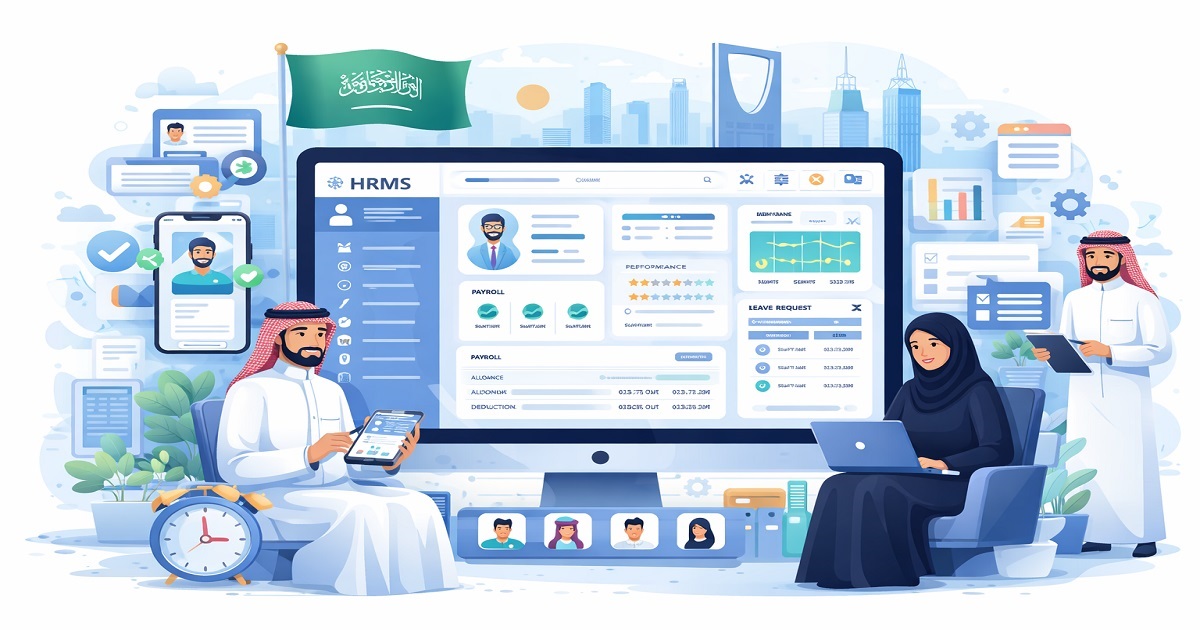
Who Needs( نظام إدارة الموارد البشرية (HRMS) for HR Teams 2026?
In an era where business efficiency and employee experience define success, companies are increasingly turning to advanced digital solutions like نظام إدارة الموارد البشرية (HRMS) to manage their workforce effectively. As organizations in Saudi Arabia continue to grow and diversify, HR teams face mounting pressure to handle complex operations with accuracy and speed. This is where HRMS becomes a critical asset, transforming traditional HR processes into streamlined, data-driven systems.
The Rising Adoption of نظام إدارة الموارد البشرية (HRMS)
The demand for نظام إدارة الموارد البشرية (HRMS) is rapidly increasing across Saudi Arabia as businesses recognize the importance of digital transformation in human resource management. HR departments are no longer limited to administrative tasks; they are strategic partners in driving organizational growth. With the help of HRMS platforms, companies can automate processes, improve compliance, and enhance employee engagement.
In 2026, organizations are focusing on integrated HR solutions that connect recruitment, payroll, performance management, and employee data into one unified system. This shift allows HR teams to operate more efficiently and deliver greater value to the business.
Understanding HRMS in the Modern Workplace
A Human Resource Management System is a comprehensive software solution designed to manage all aspects of employee lifecycle. From hiring and onboarding to performance tracking and payroll processing, HRMS serves as a centralized hub for HR activities.
Modern HRMS platforms are powered by cloud technology and artificial intelligence, offering real-time insights and automation capabilities. These systems enable HR teams to reduce manual work, minimize errors, and focus on strategic initiatives that drive business success.
Who Needs نظام إدارة الموارد البشرية (HRMS) the Most?
Growing Startups and Emerging Businesses
Startups and rapidly growing businesses often struggle to manage HR operations as their workforce expands. Initially, manual processes may suffice, but as the number of employees increases, these methods become inefficient.
Implementing an HRMS helps startups establish structured processes early on. It ensures accurate record-keeping, simplifies recruitment, and supports scalability as the business grows.
Small and Medium Enterprises (SMEs)
Small and medium enterprises in Saudi Arabia benefit significantly from HRMS solutions. These businesses typically have limited HR resources, making automation essential.
HRMS platforms reduce administrative workload by handling tasks such as attendance tracking, payroll processing, and leave management. This allows HR teams to focus on employee development and organizational growth.
Large Corporations and Enterprises
For large organizations with complex structures and multiple departments, managing HR operations manually is nearly impossible. نظام إدارة الموارد البشرية (HRMS) provides a centralized system that ensures consistency and efficiency across all branches.
These companies benefit from advanced features such as analytics, compliance management, and integration with other enterprise systems. HRMS enables them to manage large workforces effectively while maintaining high standards of accuracy.
HR Teams Handling Remote and Hybrid Workforces
The shift toward remote and hybrid work models has introduced new challenges for HR teams. Tracking employee performance, attendance, and engagement across different locations requires advanced tools.
HRMS platforms offer cloud-based access and mobile functionality, allowing HR teams to manage employees regardless of their location. This flexibility is essential for modern workplaces in 2026.
Industries with High Employee Turnover
Industries such as retail, hospitality, and construction often experience high employee turnover. Managing recruitment, onboarding, and offboarding processes efficiently is crucial in these sectors.
HRMS solutions streamline these processes, ensuring quick hiring, smooth onboarding, and accurate record management. This reduces downtime and improves overall productivity.
Key Features That Make HRMS Essential
Centralized Data Management
HRMS systems store all employee information in one secure location. This eliminates the need for multiple spreadsheets and reduces the risk of data duplication or loss.
HR teams can access accurate information instantly, improving decision-making and operational efficiency.
Recruitment and Onboarding Automation
Recruitment processes become more efficient with HRMS platforms. From posting job openings to tracking applications and onboarding new hires, everything is managed within a single system.
This creates a seamless experience for both HR teams and candidates.
Payroll and Benefits Management
Payroll processing is one of the most critical HR functions. HRMS automates salary calculations, deductions, and benefits management, ensuring accuracy and compliance.
This reduces errors and enhances employee trust.
Performance Management and Analytics
Modern HRMS platforms provide tools for tracking employee performance and productivity. Data-driven insights help organizations identify strengths, address weaknesses, and plan for future growth.
Analytics also support strategic decision-making, aligning HR practices with business objectives.
Compliance and Security
Compliance with labor laws is essential for businesses operating in Saudi Arabia. HRMS systems ensure adherence to regulations by maintaining accurate records and automating calculations.
Advanced security features protect sensitive employee data, ensuring confidentiality and integrity.
LSI Keywords and SEO Optimization
To improve search engine visibility, it is important to incorporate LSI keywords naturally throughout the content. Terms such as HR software Saudi Arabia, employee management system, workforce management solutions, payroll automation tools, and cloud-based HR systems complement the main keyword نظام إدارة الموارد البشرية (HRMS).
These keywords enhance the relevance of the content and help it rank higher in search engine results.
Benefits of HRMS for HR Teams
Increased Efficiency
Automation of repetitive tasks allows HR teams to focus on strategic initiatives. This leads to improved productivity and better resource utilization.
Enhanced Employee Experience
HRMS platforms provide self-service portals that enable employees to access information and manage requests بسهولة. This improves transparency and satisfaction.
Improved Accuracy
By eliminating manual processes, HRMS reduces errors in data entry, payroll calculations, and reporting. This ensures reliable and consistent results.
Better Decision-Making
Real-time data and analytics provide valuable insights that help HR teams make informed decisions. This is crucial for achieving business goals.
The Future of HRMS in 2026
The future of HRMS in Saudi Arabia is closely aligned with technological advancements and the country’s Vision 2030 initiatives. Businesses are increasingly adopting digital solutions to remain competitive.
Artificial intelligence, machine learning, and automation will continue to enhance HRMS capabilities. These technologies will enable predictive analytics, personalized employee experiences, and improved efficiency.
As organizations evolve, HRMS will play a central role in shaping the future of workforce management.
Choosing the Right HRMS Solution
Selecting the right HRMS solution requires careful evaluation of business needs, scalability, and integration capabilities. Companies should prioritize systems that offer user-friendly interfaces, robust security features, and customization options.
It is also important to choose a solution that complies with local regulations and supports Arabic language functionality. This ensures smooth implementation and maximum efficiency.
In 2026, نظام إدارة الموارد البشرية (HRMS) is no longer a luxury but a necessity for HR teams aiming to achieve efficiency and excellence. From startups to large enterprises, businesses across Saudi Arabia are leveraging HRMS solutions to streamline operations, enhance employee experience, and ensure compliance.
Organizations that invest in advanced HR technologies gain a competitive advantage by improving productivity and making data-driven decisions. As the business landscape continues to evolve, HRMS will remain a cornerstone of successful workforce management.
FAQs
What is نظام إدارة الموارد البشرية (HRMS)?
It is a digital system used to manage HR processes such as recruitment, payroll, and employee data.
Who should use HRMS?
Businesses of all sizes, especially those with growing or complex workforces, benefit from HRMS solutions.
Does HRMS support remote work?
Yes, modern HRMS platforms are cloud-based and allow remote access for HR teams and employees.
Is HRMS suitable for small businesses?
Yes, scalable HRMS solutions are designed to meet the needs of small and medium enterprises.
How does HRMS improve HR efficiency?
It automates repetitive tasks, reduces errors, and provides real-time insights for better decision-making.
Related Posts

Send Money from Pakistan to USA | Fast & Secure Transfers
Sending money internationally has become easier than ever, especially for individuals and businesses who need to send money from Pakistan to USA quickly and securely. Whether you are supporting family, paying tuition fees, or handling business transactions, understanding the process can help you save time, reduce fees, and avoid common mistakes. In this guide,

The Complete Guide to Custom Packaging ROI
The Custom Suits, custom packaging is not an expense but a strategic investment driving measurable business growth.

Generator Installation Jacksonville FL 32211 & AC Repair Services – Double A Home of the AC Bee’s
Reliable Generator Installation in Jacksonville FL 32211 Generator installation in Jacksonville FL 32211 ensures uninterrupted power supply. Homeowners rely on backup systems during outages. Therefore, installing a generator becomes essential. Professional installation guarantees safety and efficiency. Experts handle wiring, placement, and setup properly. As a

How Much Do Granite Kitchen Surfaces Cost After Installation?
If you’re thinking about upgrading your kitchen, you’ve probably already fallen in love with granite. It’s hard not to. It looks stunning, it holds up beautifully over time, and it adds real value to your home. But before you commit, you need to know the full picture, especially what you’ll spend once everything is done. Most people focu
Leave a Reply