

What Is the Most Durable Furniture Material? A Practical Guide for Long-Lasting Choices
When you are investing in furniture, durability matters more than trends. A stylish sofa or dining table might look impressive in a showroom, but if it cannot handle daily use, it quickly becomes a regret.
So, what is the most durable furniture material? The answer depends on where and how the furniture will be used. A material that works perfectly for outdoor patio sets may not be ideal for indoor living rooms. In this guide, we will break down the strongest materials used in furniture, compare their benefits, and help you choose wisely for long-term value.
Why Durability Should Be Your First Priority
Furniture is not a short-term purchase. Most people expect it to last for years, sometimes decades. Durability affects:
- Structural strength
- Resistance to scratches and dents
- Moisture tolerance
- Longevity under heavy use
- Overall maintenance costs
If you choose the right material from the start, you save money, time, and frustration later.
What Is the Most Durable Furniture Material for Indoor Use?
When people ask what is the most durable furniture material, they usually mean indoor furniture like beds, sofas, cabinets, and dining tables. For indoor spaces, the strongest options are solid hardwood, metal, and engineered wood with high-density cores.
Let’s explore each one in detail.
Solid Hardwood: A Timeless and Tough Option
Solid hardwood is often considered the gold standard for strength and longevity.
Why Hardwood Is So Durable
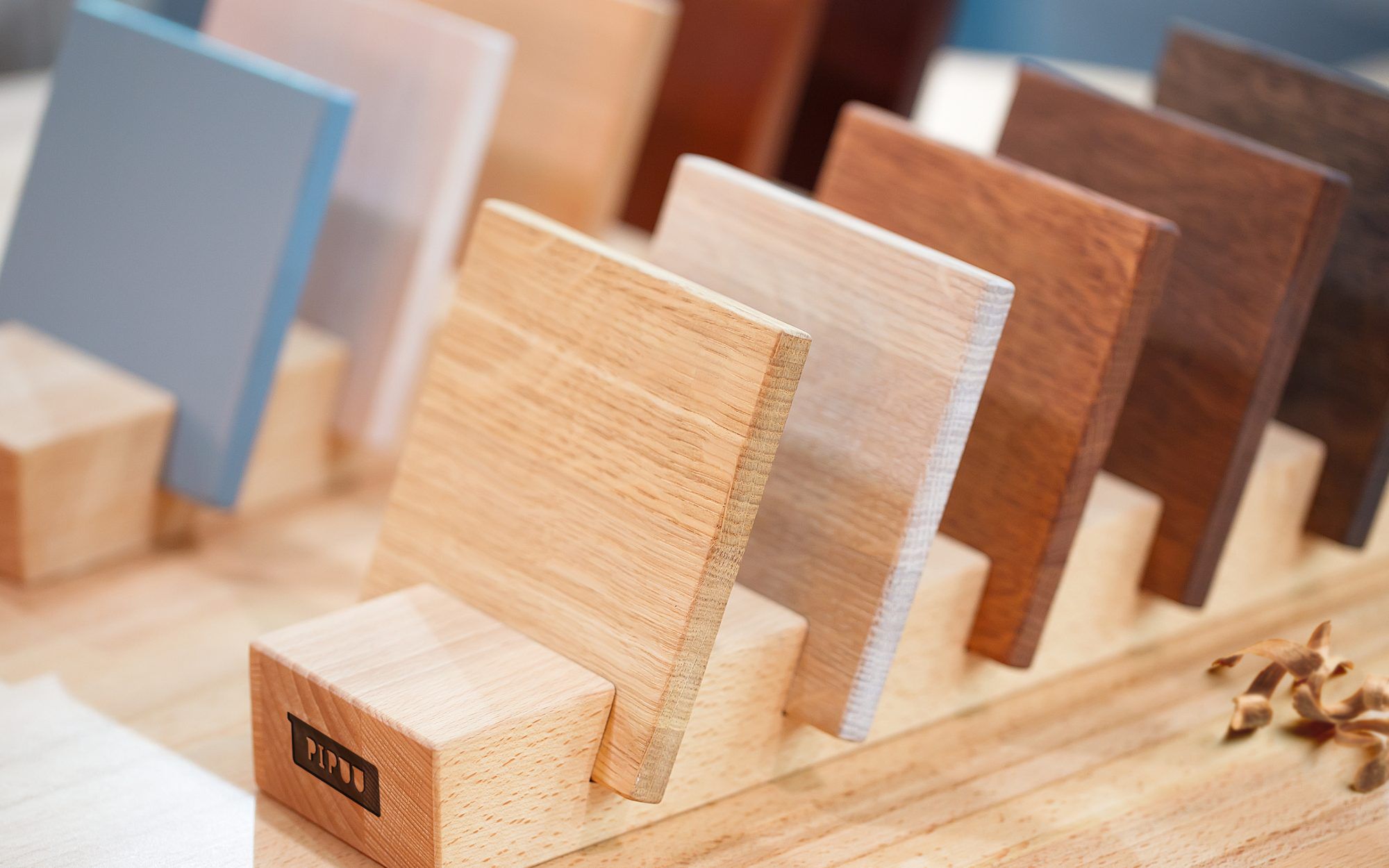
Hardwoods come from slow-growing trees, which makes their fibers denser and stronger. Some of the toughest hardwoods include:
- Oak
- Teak
- Maple
- Walnut
- Mahogany
These woods resist dents, scratches, and structural warping better than softwoods like pine.
Best Hardwood for Maximum Strength
Oak and teak are especially durable. Teak has natural oils that protect it from moisture and pests. Oak is extremely dense and can handle heavy loads, making it ideal for dining tables and bed frames.
If someone asks what is the most durable furniture material for long-term indoor use, solid hardwood is often the top answer.
Downsides of Hardwood
- Higher cost
- Heavier weight
- Requires occasional polishing or sealing
But if properly maintained, hardwood furniture can last for generations.
Metal Furniture: Built for Strength
Metal is another strong contender when discussing what is the most durable furniture material.
Types of Metal Used in Furniture
- Stainless steel
- Wrought iron
- Aluminum
- Powder-coated steel
Why Metal Is So Strong
Metal furniture frames can withstand heavy weight and daily stress without cracking. Steel, in particular, offers outstanding structural integrity. It does not warp like wood and is resistant to termites and rot.
Best Uses for Metal Furniture
- Bed frames
- Office desks
- Industrial-style shelves
- Outdoor patio sets
Pros and Cons
Advantages:
- Extremely strong
- Low maintenance
- Resistant to moisture (if treated properly)
Disadvantages:
- Can rust if not coated
- May feel cold or less inviting indoors
- Can dent if thin
For modern interiors and heavy-duty applications, metal is a practical choice.
Engineered Wood: A Practical Middle Ground
Engineered wood includes materials like plywood, MDF, and particleboard. While not as strong as solid hardwood, high-quality plywood can still be very durable.
Plywood vs MDF
- Plywood is layered and glued for strength. It handles weight well and resists warping better than MDF.
- MDF is smoother and cheaper but less resistant to moisture and heavy loads.
If budget is a concern, high-grade plywood offers a balance between affordability and durability.
However, when strictly answering what is the most durable furniture material, engineered wood usually ranks below solid hardwood and metal.
What Is the Most Durable Furniture Material for Outdoor Furniture?
Outdoor furniture faces harsh conditions such as sunlight, rain, humidity, and temperature changes. Not all materials survive these conditions equally.
Teak Wood
Teak is one of the strongest outdoor materials. Its natural oils prevent water damage and insect attacks. This makes teak one of the best long-term investments for patios and gardens.
Aluminum
Aluminum is lightweight yet resistant to rust. It works well in coastal areas where moisture is high.
Synthetic Resin (Poly Rattan)
High-quality resin wicker is weather-resistant and low maintenance. It does not crack easily and can withstand UV exposure.
When it comes to outdoor durability, teak and powder-coated aluminum are usually the safest options.
Comparing the Top Durable Materials
Here is a simple breakdown:
| Material | Strength | Moisture Resistance | Lifespan | Maintenance |
|---|---|---|---|---|
| Solid Hardwood | Very High | Moderate to High | 20+ years | Moderate |
| Steel | Extremely High | Moderate (if coated) | 20+ years | Low |
| Teak | Very High | Very High | 25+ years | Low |
| Plywood | Moderate | Moderate | 10–15 years | Low to Moderate |
| MDF | Low to Moderate | Low | 5–10 years | Low |
This table helps clarify what is the most durable furniture material depending on environment and usage.
Durability vs Comfort: Finding the Balance
Strength alone does not make furniture perfect. A steel chair may be extremely strong but uncomfortable without proper cushioning. Similarly, hardwood sofas need quality upholstery for comfort.
When choosing materials, consider:
- Frame strength
- Cushion quality
- Fabric durability
- Joint construction
A strong material paired with weak craftsmanship will still fail over time.
Construction Matters as Much as Material
Even the most durable wood can weaken if joints are poorly made. Look for:
- Mortise and tenon joints
- Dovetail joints
- Reinforced metal brackets
- Welded steel frames
These construction methods increase lifespan significantly.
So, when evaluating what is the most durable furniture material, do not ignore how the furniture is built.
Common Mistakes People Make
- Choosing low price over quality
- Ignoring moisture exposure in kitchens or bathrooms
- Not checking weight capacity
- Buying particleboard for heavy-use furniture
Durable furniture may cost more upfront, but it reduces replacement expenses in the long run.
Final Verdict
If we narrow it down:
- For indoor furniture: Solid hardwood and steel are the most durable choices.
- For outdoor furniture: Teak and powder-coated aluminum perform best.
- For budget buyers: High-quality plywood offers reasonable durability.
So, what is the most durable furniture material overall? Solid hardwood remains the most trusted long-term option for strength, longevity, and timeless appeal. For maximum structural strength, steel competes closely.
The best material ultimately depends on your specific needs, climate, and usage level. Think about where the furniture will be placed, how often it will be used, and how much maintenance you are willing to handle.
Related Posts

Eco-Friendly CBD Gummies Boxes Made from Sustainable Materials
Eco-friendly gummy boxes are sustainable packaging designed to store, protect, and present gummy products, including CBD gummies, while minimizing environmental impact. These CBD packaging boxes are customizable and can be designed to match your brand and your needs. What Are Eco Friendly Gummies Boxes Eco friendly gummies boxes are sustainable, recyclable or b
Custom Greaseproof Paper Solutions for Businesses
The custom greaseproof paper has also become indispensable to food companiesthato want to use it to offer portable convenience that also promotes their brands. Companies can make their customers have a memorable unboxing experience with the choices available, such as the custom greaseproof paper and personal design. The market has custom-made options to suit yo
Looking for Properties for Sale in Dubai? Find Apartments, Villas, Townhouses & Penthouses from Studio to 7 Bedroom
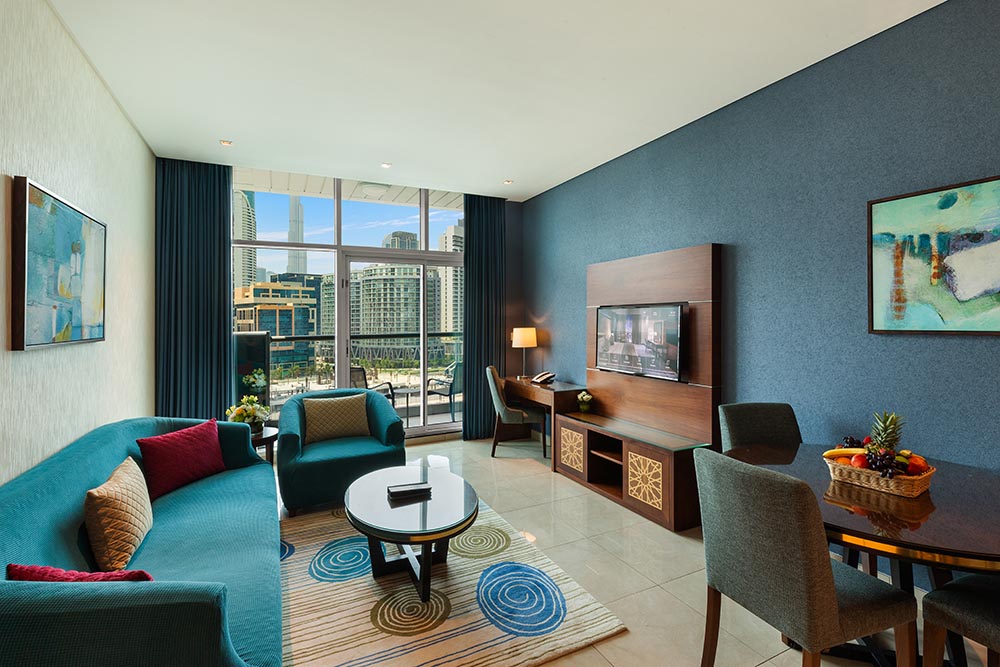
Buying a home is never just about walls and windows. It is about lifestyle, comfort, and long-term value. That is why many buyers search for apartment price in dubai, villas for sale, and penthouses for sale in one of the world’s most active real estate markets — Dubai. The city offers everything from compact studios to luxury 7 bedroom homes, which makes i

Uppsägning av anställning – Regler och rättigheter enligt svensk arbetsrätt
Att avsluta ett arbetsförhållande är en av de mest komplexa processerna inom svenskt arbetsliv. Det rör sig inte bara om administrativa rutiner utan om lagstadgade krav som skyddar både individens försörjning och företagets verksamhet. Den centrala pelaren i detta regelverk är Lagen om anställningsskydd (LAS), som tydliggör att en arbetsgivare inte k
Leave a Reply