

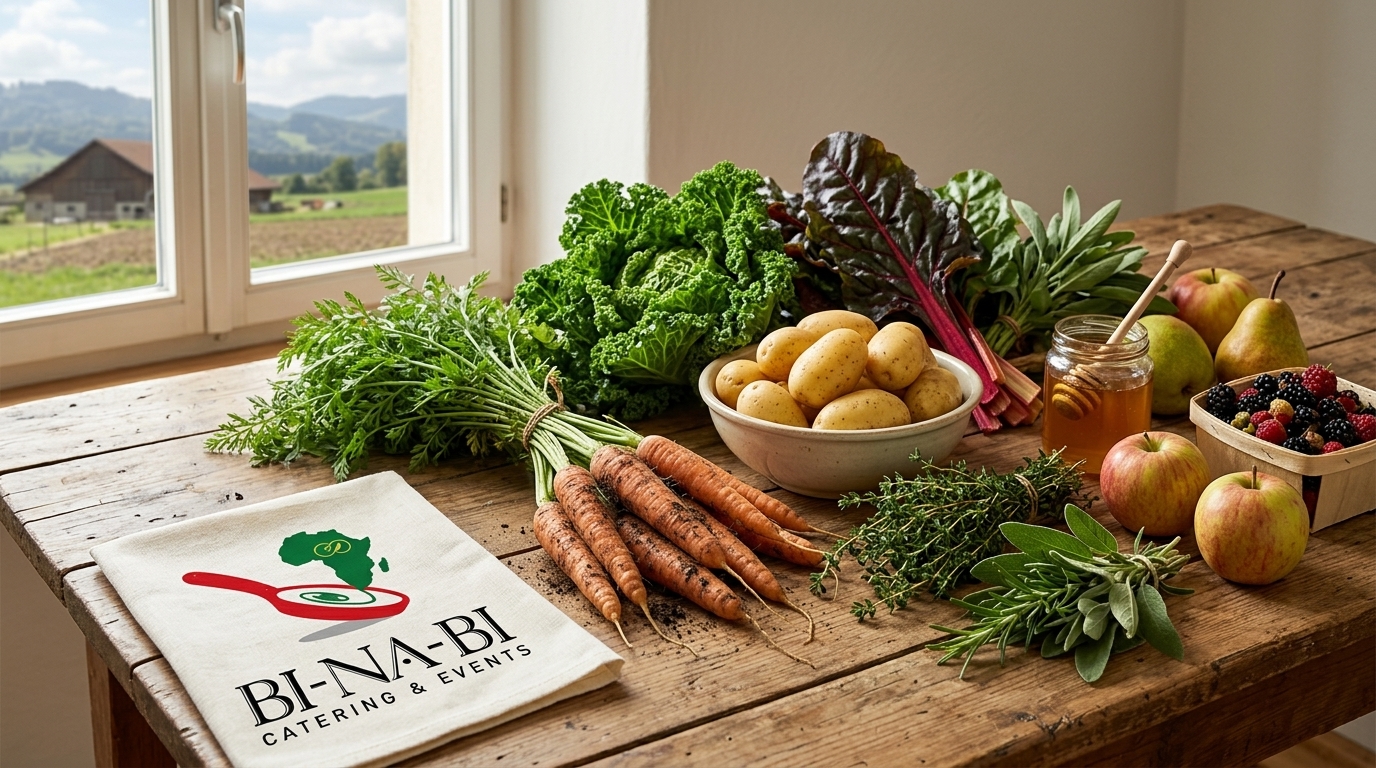
The Role of Seasonal and Local Swiss Ingredients in Quality Catering
Why Sourcing Matters More Than Most Hosts Realize
Catering hosts naturally focus on the visible elements of their event planning: the menu, the venue, the decor, the guest list. The sourcing of the ingredients that go into the food often receives less attention, treated as a behind-the-scenes detail handled by the catering team. This emphasis is understandable but somewhat misplaced, because the quality of ingredient sourcing affects nearly every dimension of how the food actually tastes, looks, and feels at the event.
Vegetables that traveled long distances and sat in storage for weeks taste fundamentally different from vegetables harvested locally at peak ripeness. Meats from industrial supply chains lack the character that comes from farms where animals are raised with attention to their well-being and the quality of their feed. Even pantry staples like olive oils, spices, and grains vary enormously in quality based on their origins and handling. The sourcing choices a catering team makes therefore matter significantly, even when guests cannot articulate exactly why one event’s food was so much better than another’s.
How BI-NA-BI Approaches Local Sourcing
BI-NA-BI prioritizes local Swiss farms and seasonal markets as the foundation of its sourcing approach. Vegetables come from farms where they are grown with care for soil health, harvest timing, and varietal selection. Herbs are sourced fresh rather than relying on dried alternatives where possible. Meats come from suppliers whose practices align with Swiss standards for animal welfare and quality. Even pantry items reflect choices about quality rather than purely cost considerations.
The local sourcing emphasis serves multiple purposes simultaneously. It supports the Swiss farming community whose continued viability depends on consistent demand from quality-conscious buyers. It reduces the environmental footprint of long-distance shipping that defines much of industrial food supply. It produces ingredients with genuinely better flavor than alternatives that traveled longer distances or sat in storage longer. And it creates the kind of seasonal menu evolution that keeps catering fresh and interesting across many events. From districts like Oerlikon outward, BI-NA-BI’s bistro und catering zürich oerlikon approach uses local Swiss ingredients as the foundation of every catering project rather than as a marketing claim.
How Seasonal Menus Stay Fresh Across the Year
Seasonal eating used to be the only option humans had, with meals shaped by what was actually available in any given week or month. Industrial agriculture and global supply chains have made it possible to eat almost anything at almost any time of year, but the cost is significant in terms of flavor, environmental impact, and disconnection from natural rhythms. Catering that returns to seasonal sourcing produces food that feels grounded and authentic rather than disconnected from time and place.
Spring catering features the bright greens, tender vegetables, and early herbs that mark the end of winter and the beginning of growing season. Summer catering takes advantage of tomatoes at peak ripeness, eggplants in their full flavor, and the herbs that flourish in warm weather. Autumn catering reflects the harvest abundance with root vegetables, squashes, and the warming spices that match cooler weather. Winter catering relies on stored vegetables, preserved ingredients, and the deep flavors that emerge from longer cooking and concentrated ingredients. Each season has its own character, and seasonal menus naturally vary in ways that keep the work fresh.
How Afro-European Fusion Embraces Local Ingredients
Afro-European fusion catering integrates local Swiss ingredients particularly well because the underlying philosophy embraces combination rather than purity. African spices can transform local Swiss vegetables into dishes that connect continents on a single plate. European preparation techniques can elevate African ingredients combined with Swiss produce. The fusion approach actively celebrates the meeting of traditions, and the local sourcing dimension fits naturally into that broader philosophy.
Specific dishes illustrate how this works in practice. Roasted aubergine sourced from local farms paired with African nutmeg creates a dish that honors both Swiss agriculture and African flavor tradition. Plantain mash combined with seasonal Swiss vegetables brings together ingredients from very different starting points in a single beautiful presentation. Local herbs like thyme, sage, and rosemary integrate naturally with African spice combinations in unexpected but satisfying ways. The fusion approach unlocks creative possibilities that pure traditional cooking from either tradition could not produce.
The Economics and Ethics of Local Sourcing
Local sourcing involves real cost trade-offs compared to industrial supply chains, and skilled catering teams navigate these trade-offs thoughtfully. Vegetables from local farms sometimes cost more than supermarket alternatives, though the difference is often smaller than hosts assume. Quality meats from Swiss suppliers reflect the broader cost realities of Swiss food production. The aggregate sourcing premium for committed local sourcing is real but typically manageable within reasonable catering budgets.
The ethical dimension of local sourcing matters significantly to many modern hosts. Supporting local farms keeps Swiss agriculture viable in an era when economic pressures threaten small and mid-size farming operations. Fair compensation for producers ensures that the people who actually grow the food can sustain their work. Reduced environmental impact from local supply chains aligns with the sustainability commitments that increasingly define how companies and individuals think about their consumption choices. Hosts whose values include these dimensions find that catering committed to local sourcing genuinely aligns with their broader principles.
Tasting the Difference Local Sourcing Makes
The most direct evidence of local sourcing’s impact comes from simply tasting the difference at events that use it. A salad made with vegetables harvested that morning tastes fundamentally different from one made with vegetables that traveled long distances and sat in distribution centers for days. Herbs at peak freshness contribute aromatic dimensions that dried alternatives cannot replicate. Tomatoes at the height of summer ripeness deliver flavor that out-of-season tomatoes simply cannot produce regardless of preparation skill.
Guests who are accustomed to industrial-supply-chain catering often notice the difference immediately even when they cannot articulate what specifically improved. The food just feels different, more vibrant, more alive. Hosts who have switched to catering with strong local sourcing commitments consistently report this kind of feedback from their guests. The quality improvement is genuine and noticeable, even if the underlying causes operate behind the scenes. Seasonal zürich catering from BI-NA-BI consistently delivers this taste difference through the sourcing decisions made for every event.
Building Catering Relationships With Sustainable Foundations
Hosts who care about sourcing tend to build long-term relationships with catering teams whose sourcing practices align with their values rather than continuously evaluating new vendors for each event. The relationship develops based on shared commitments rather than purely on quality and cost considerations. Once a host trusts a catering team’s sourcing practices, the relationship can extend across many events and evolve over time as both the host’s needs and the catering team’s offerings develop.
BI-NA-BI’s catering relationships often span multiple events for the same families and companies, with sourcing commitment as one of the foundational elements that supports the long-term work. The trust that develops from consistent quality, ethical sourcing, and reliable service produces the kind of catering partnership that simplifies event planning significantly across years of subsequent celebrations. Choose BI-NA-BI for sustainable catering zürich and find a partner whose commitments to local sourcing, seasonal menus, and quality production align with your broader values across the events that matter most.
Frequently Asked Questions
Q1: Are most ingredients really sourced locally?
A: Most ingredients come from local Swiss farms and seasonal markets, with the sourcing emphasis serving as a foundation of the catering work rather than a marketing claim.
Q2: Does seasonal menu mean my favorites might not be available?
A: Some specific dishes may be best in particular seasons, but the menu adapts to seasonal availability while maintaining the broader Afro-European fusion character throughout the year.
Q3: Is local sourcing more expensive?
A: There is some cost premium compared to industrial alternatives, but the difference is typically manageable within reasonable catering budgets and the quality improvement is genuinely noticeable.
Q4: Can dietary needs still be accommodated with local sourcing?
A: Yes. Halal, vegan, vegetarian, gluten-free, and other dietary needs are accommodated alongside local sourcing rather than being compromised by it.
Q5: How does seasonal sourcing affect winter catering? A: Winter menus rely on stored vegetables, preserved ingredients, and warming spices that produce deep, satisfying flavors appropriate to the season.
Related Posts

LinkedIn Lead Generation in Australia: Expert Strategies for Sustainable B2B Growth
In today’s competitive Australian B2B landscape, businesses are constantly seeking high-quality leads that convert into long-term clients. LinkedIn lead generation Australia has emerged as the most effective channel for achieving this. With over 17 million Australian professionals active on the platform—representing more than 61% of the population—LinkedI
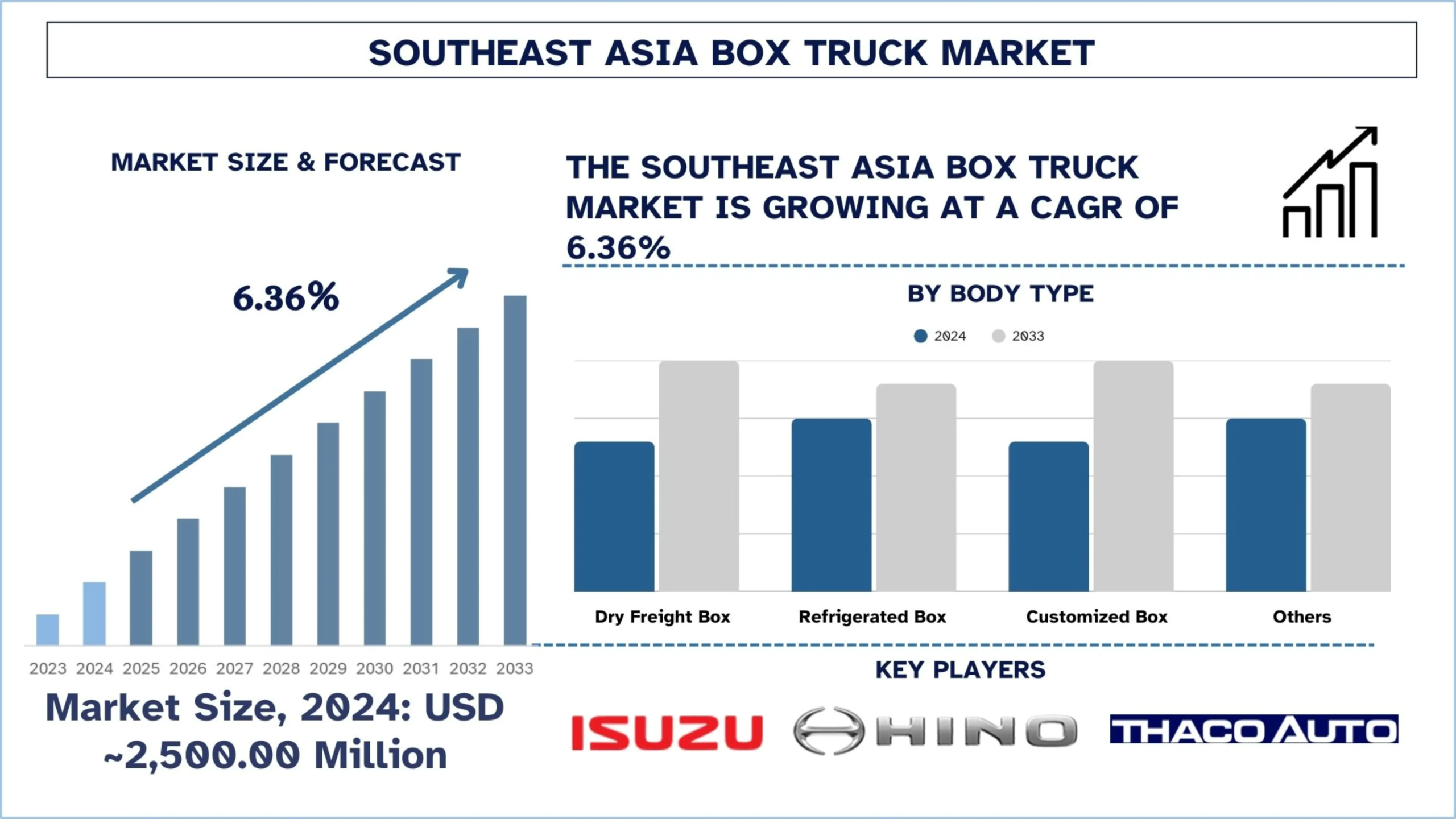
Southeast Asia Box Truck Market Size & Forecast, 2033 | UnivDatos
According to UnivDatos, the rapid e-commerce expansion, expansion of cold chain logistics for food and pharmaceuticals, urbanization and infrastructure development increasing intra-city freight demand, growth in FMCG and organized retail distribution networks, and rising manufacturing output drive the Southeast Asia Box Truck market. As per the “Southeast Asi

How Does Warranty Phone Repair in Newark NJ Work?
When your phone suddenly stops working or develops issues, your first thought is often about repair costs. But if your device is still under warranty, you might not have to pay anything—or at least not much. Understanding how warranty phone repair works can save you time, money, and unnecessary stress. If you live in Newark, NJ, knowing how the process works

Corporate Transportation: The Ultimate Guide for Businesses in 2026
In today’s fast-paced and globally connected business environment, Corporate Transportation has evolved from a simple convenience into a strategic necessity. Whether it’s ensuring timely airport transfers, managing executive travel, or organizing employee commutes, businesses now rely heavily on efficient and reliable transportation systems to maintain prod
Leave a Reply