

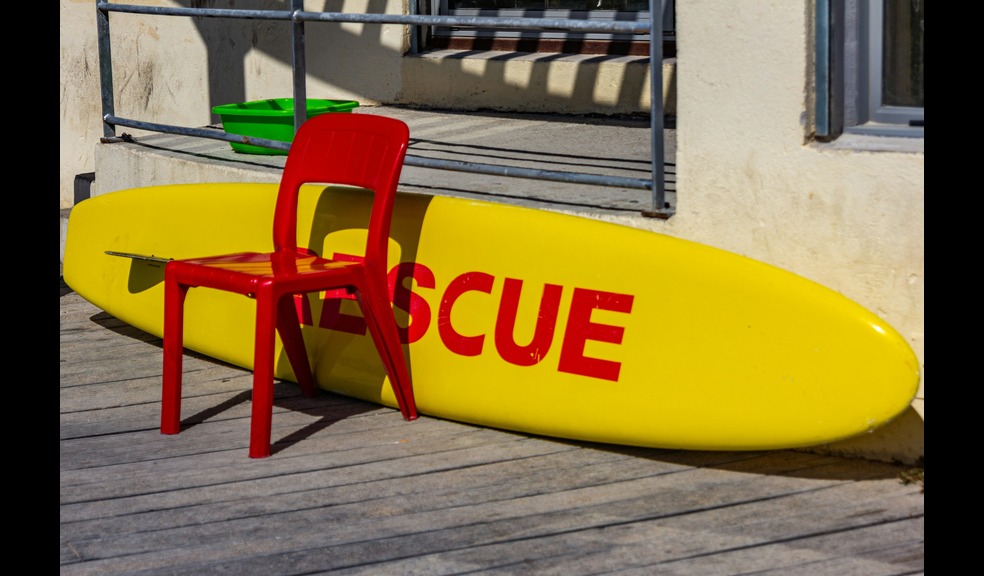
Lifeguard Class: What to Expect, Requirements, and How to Get Started
A lifeguard class is the first step toward becoming a trained professional responsible for water safety and emergency response. Whether you’re aiming to work at a pool, waterpark, or beach, these classes are designed to prepare you with the physical skills, technical knowledge, and confidence needed to save lives.
What Is a Lifeguard Class?
A lifeguard class is a structured training program that teaches participants how to:
- Prevent aquatic accidents
- Recognize distress signals
- Perform water rescues
- Provide CPR, AED, and first aid
- Respond effectively in emergencies
Most classes combine classroom instruction, hands-on practice, and realistic simulations to ensure you’re fully prepared.
Basic Requirements to Join a Lifeguard Class
Before enrolling, you typically need to meet a few minimum requirements:
- Age: Usually 15 or older
- Swimming skills: Ability to swim 200–300 meters continuously
- Treading water: About 2 minutes without hands
- Timed test: Retrieve a weight from deep water
- Fitness level: Good endurance and strength
These requirements ensure you can safely complete the course and perform rescues.
What Do You Learn in a Lifeguard Class?
Lifeguard classes cover a wide range of essential skills:
1. Water Rescue Skills
- Active and passive victim rescues
- Using rescue tubes and equipment
- Handling panicked swimmers
2. CPR and AED
- Life-saving CPR techniques
- Using an AED device
- Responding to cardiac emergencies
3. First Aid
- Treating injuries and illnesses
- Managing bleeding, burns, and shock
- Stabilizing victims until help arrives
4. Spinal Injury Management
- Safe handling of suspected neck/spine injuries
- Backboarding techniques
5. Surveillance and Prevention
- Scanning the water effectively
- Identifying hazards early
- Preventing accidents before they happen
How Long Is a Lifeguard Class?
Most lifeguard classes take 20–30 hours to complete.
They may be:
- Completed over 3–5 days (intensive courses)
- Spread across 1–2 weeks (part-time classes)
Is a Lifeguard Class Difficult?
It can be challenging—but manageable with preparation.
Challenges include:
- Physical swimming tests
- Learning emergency procedures
- Performing under pressure
Tips to succeed:
- Practice swimming regularly
- Build stamina
- Stay focused during training
- Review CPR basics before class
Certification After Completing the Class
Once you successfully finish the course, you’ll receive certification from recognized organizations such as:
Certification validity:
- Usually valid for 2 years
- Requires recertification to stay active
Types of Lifeguard Classes
Pool Lifeguard Class
- Focus on controlled environments
- Easier conditions
- Ideal for beginners
Open Water Lifeguard Class
- Covers oceans, lakes, rivers
- Includes waves, currents, weather
- More advanced and physically demanding
Why Take a Lifeguard Class?
A lifeguard class offers more than just a job qualification:
- Learn life-saving skills
- Build confidence and discipline
- Gain leadership experience
- Open doors to careers in safety and emergency services
Career Opportunities After a Lifeguard Class
After certification, you can work as:
- Pool lifeguard
- Beach lifeguard
- Waterpark staff
- Swim instructor
It can also lead to careers in:
- Emergency medical services
- Firefighting
- Coast guard
Final Thoughts
A lifeguard class is a valuable investment in both your personal growth and your ability to help others. It equips you with critical skills that can make a real difference in emergency situations.
If you’re physically prepared, willing to learn, and ready to take responsibility, enrolling in a lifeguard class could be one of the most rewarding decisions you make.
Related Posts

Best Nonprofit Bookkeeping Service Australian Charities
Introduction At Numberfied, we recognise that for mission-driven organisations, financial transparency is not just about the numbers. It is about the trust you build with your community. Accurate and transparent financial management is the backbone of any charity striving to make a meaningful impact. A reliable bookkeeping solution goes far beyond basic record-

Middle East & Africa Digital Out-of-Home (DOOH) Advertising Market Size & Forecast, 2033 | UnivDatos
According to UnivDatos, Urban growth and large-scale infrastructure projects, and the acceleration of digital and display technologies, are some of the key growth drivers supporting the market rise. As per their “Middle East & Africa Digital Out-of-Home (DOOH) Advertising Market” report, the Middle East & Africa market was valued at USD 1,200 millio

Blue Cheese Marijuana Strain Explained: Flavour, Effects & UK Dispensary Insights
The Blue Cheese Marijuana Strain continues to attract attention across the UK cannabis market. Its bold personality, rich aroma, and balanced performance make it a standout option among hybrid varieties. At UK Dispensary, this strain is carefully sourced and prepared to meet the expectations of quality-focused users. If you are searching for a dependable Hybrid

Southeast Asia Narrow Band IoT Market Size & Forecast, 2033 | UnivDatos
According to UnivDatos, rapid smart city investments, expansion of cellular LPWAN infrastructure by telecom operators, growing deployment of smart electricity, water, and gas meters, rising demand for low-power and long-battery-life IoT connectivity, increasing industrial IoT adoption for asset tracking and monitoring, strong government-backed digital transform
Leave a Reply