

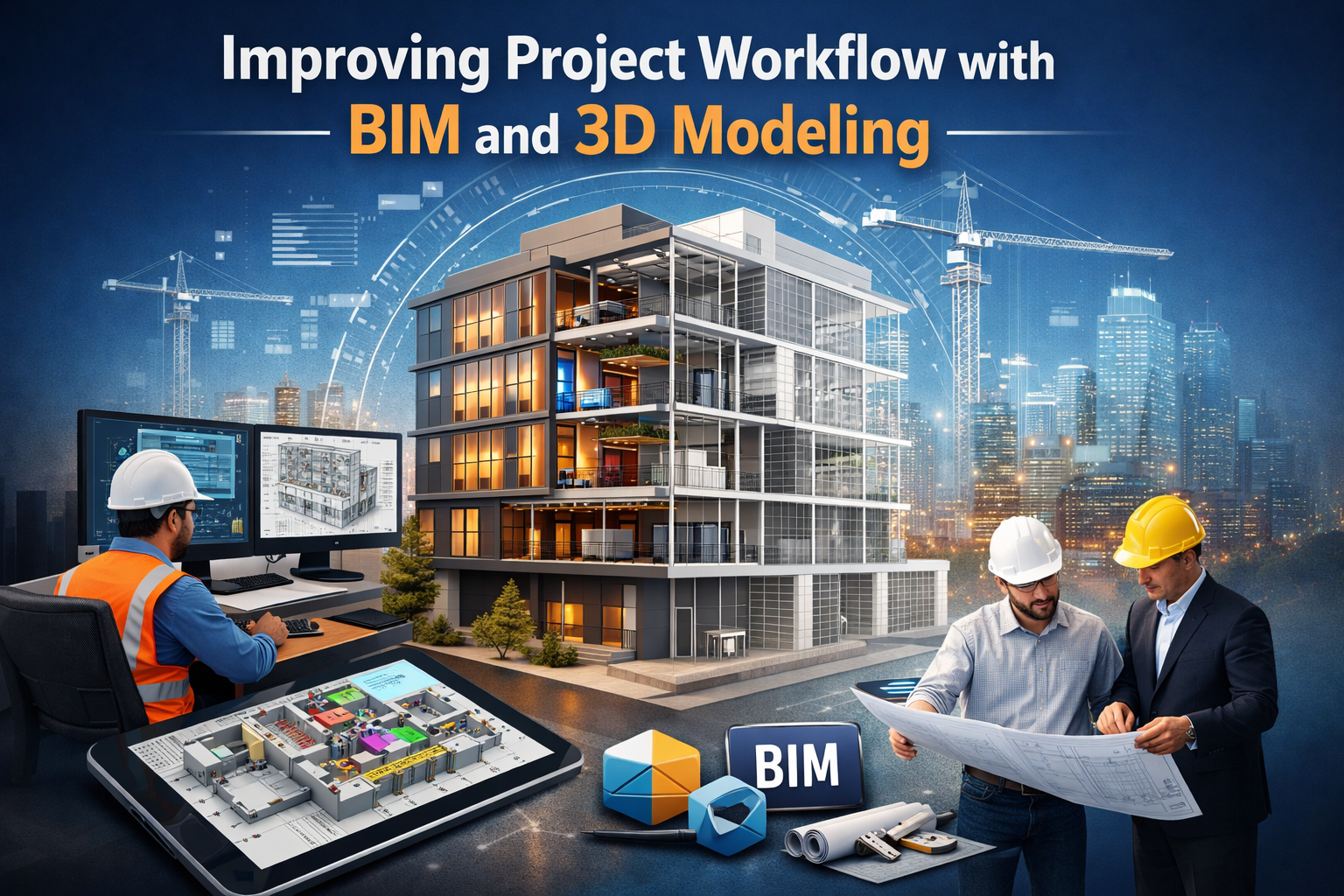
Improving Project Workflow with BIM and 3D Modeling
The construction and architecture industries are constantly evolving, driven by new technologies that improve efficiency, accuracy, and collaboration. One of the most significant advancements in recent years is the use of Building Information Modeling (BIM) and 3D modeling. These technologies have transformed how architects, engineers, and construction professionals design, plan, and manage projects.In traditional construction workflows, project teams often relied on 2D drawings and manual coordination, which could lead to misunderstandings, design conflicts, and delays. BIM and 3D modeling solve many of these problems by providing a digital representation of a building and its components, allowing teams to visualize and analyze every detail before construction begins.By integrating BIM and 3D modeling into project workflows, construction companies can improve communication, reduce errors, and deliver projects more efficiently. This article explores how BIM and 3D modeling enhance project workflows and why they have become essential tools in modern construction.
Understanding BIM and 3D Modeling
Building Information Modeling (BIM) is a digital process that creates a detailed, data-rich model of a building. Unlike traditional drawings, BIM models contain information about every component of the structure, including materials, dimensions, systems, and performance data.3D modeling, on the other hand, focuses on creating visual representations of structures using digital tools. These models allow project teams to see how a building will look and function before it is built.When combined, BIM and 3D modeling provide a comprehensive platform for planning, designing, and managing construction projects. They allow stakeholders to interact with the project in a virtual environment, improving decision-making and reducing uncertainties.
Enhancing Project Visualization
One of the biggest advantages of 3D modeling is improved visualization. Traditional 2D drawings can be difficult for clients and stakeholders to interpret, especially if they do not have technical backgrounds.3D models provide a realistic representation of buildings, making it easier for everyone involved in the project to understand the design. Architects and designers can showcase building layouts, materials, lighting, and structural elements in a way that is visually clear.This enhanced visualization helps clients make better decisions about design changes, finishes, and spatial arrangements before construction begins.
Improving Collaboration Among Project Teams
Construction projects involve collaboration between many professionals, including architects, engineers, contractors, and project managers. Poor communication between these teams can lead to costly errors and project delays.BIM improves collaboration by providing a centralized digital model that all stakeholders can access. Instead of working with separate drawings and documents, project teams can collaborate within the same model.
This shared environment allows teams to.
- Review design changes in real time
- Identify potential conflicts early
- Coordinate different building systems
- Improve communication between disciplines
As a result, BIM helps create a more efficient and coordinated project workflow.
Detecting Design Conflicts Early
One of the most common challenges in construction is design conflicts between different systems. For example, an HVAC duct may interfere with structural elements, or electrical systems may clash with plumbing layouts.These conflicts often go unnoticed in traditional design processes until construction begins, leading to costly changes and delays.BIM allows project teams to perform clash detection, which identifies conflicts between building components before construction starts. By resolving these issues early, teams can avoid expensive rework and maintain project schedules.
Streamlining Construction Planning
BIM and 3D modeling also play a crucial role in construction planning. With detailed digital models, project managers can better understand the construction sequence and plan workflows more effectively.
This technology helps teams analyze.
- Construction timelines
- Material requirements
- Equipment usage
- Site logistics
By visualizing construction processes in advance, project managers can optimize schedules and ensure smoother project execution.
Improving Cost Control
Cost management is a critical aspect of construction projects. Unexpected design changes and coordination issues can quickly increase project expenses.BIM helps improve cost control by providing accurate data about materials, quantities, and construction requirements. Estimators can extract information directly from the model, reducing errors and improving cost accuracy.Additionally, BIM allows teams to evaluate multiple design options and understand their cost implications. This enables stakeholders to make informed financial decisions during the early stages of the project.
Enhancing Project Efficiency
Efficiency is essential for completing construction projects on time and within budget. BIM and 3D modeling help streamline many aspects of project workflows.
These technologies improve efficiency by.
- Automating design updates
- Reducing manual documentation tasks
- Providing accurate project data
- Simplifying coordination between teams
When design changes occur, the BIM model automatically updates related components and documentation, saving time and reducing the risk of inconsistencies.
Supporting Sustainable Construction
Sustainability has become an important priority in the construction industry. BIM helps architects and engineers design environmentally friendly buildings by analyzing energy performance and resource usage.
With BIM, teams can evaluate factors such as.
- Energy efficiency
- Natural lighting
- Building orientation
- Material sustainability
These insights help designers create buildings that reduce environmental impact while maintaining high performance.3D modeling also helps visualize sustainable design features, allowing stakeholders to better understand the benefits of eco-friendly construction solutions.
Enhancing Client Communication
Clear communication with clients is essential for successful project outcomes. BIM and 3D modeling make it easier for clients to understand design concepts and participate in the decision-making process.Instead of reviewing complex drawings, clients can explore interactive 3D models that show the building in detail. They can view interior spaces, examine materials, and evaluate design elements before construction begins.This improved communication reduces misunderstandings and ensures that the final project meets the client’s expectations.
Reducing Construction Risks
Construction projects involve many risks, including design errors, scheduling conflicts, and unexpected site conditions. BIM and 3D modeling help minimize these risks by providing better project visibility.With detailed digital models, teams can analyze potential issues and develop strategies to address them before they become serious problems.
Risk reduction through BIM includes.
- Early conflict detection
- Accurate construction planning
- Improved communication between teams
- Better cost forecasting
By addressing potential challenges early, BIM helps ensure smoother project execution.
The Role of Professional 3D Visualization Services
Professional 3D visualization services play an important role in helping architects and developers bring their designs to life. High-quality 3D renderings and visualizations allow stakeholders to see how a project will look before construction begins.These visualizations are useful for marketing, presentations, and client approvals. Companies such as SMA Archviz provide advanced architectural visualization services that help improve design communication and enhance project workflows.With professional 3D modeling and rendering, project teams can present designs more effectively and gain valuable feedback from clients and investors.
The Future of BIM and 3D Modeling in Construction
As technology continues to evolve, BIM and 3D modeling will become even more important in the construction industry. Emerging innovations are expanding the capabilities of these tools and transforming how projects are managed.
Some future trends include.
- Integration with artificial intelligence
- Real-time project data analysis
- Virtual reality and augmented reality visualization
- Cloud-based collaboration platforms
These advancements will further improve project efficiency, communication, and decision-making.Companies that adopt these technologies will gain a competitive advantage in the rapidly evolving construction market.
Conclusion
BIM and 3D modeling have revolutionized the way construction projects are planned, designed, and managed. By providing detailed digital models and data-driven insights, these technologies help improve collaboration, reduce errors, and streamline project workflows.From enhanced visualization to better cost control and risk management, BIM offers numerous benefits that contribute to successful construction outcomes. It enables project teams to work more efficiently while delivering high-quality results.As the construction industry continues to embrace digital transformation, BIM and 3D modeling will play an increasingly important role in shaping the future of project management and architectural design. Embracing these technologies is no longer optional; it is essential for achieving efficiency, accuracy, and long-term success in modern construction projects.
Related Posts
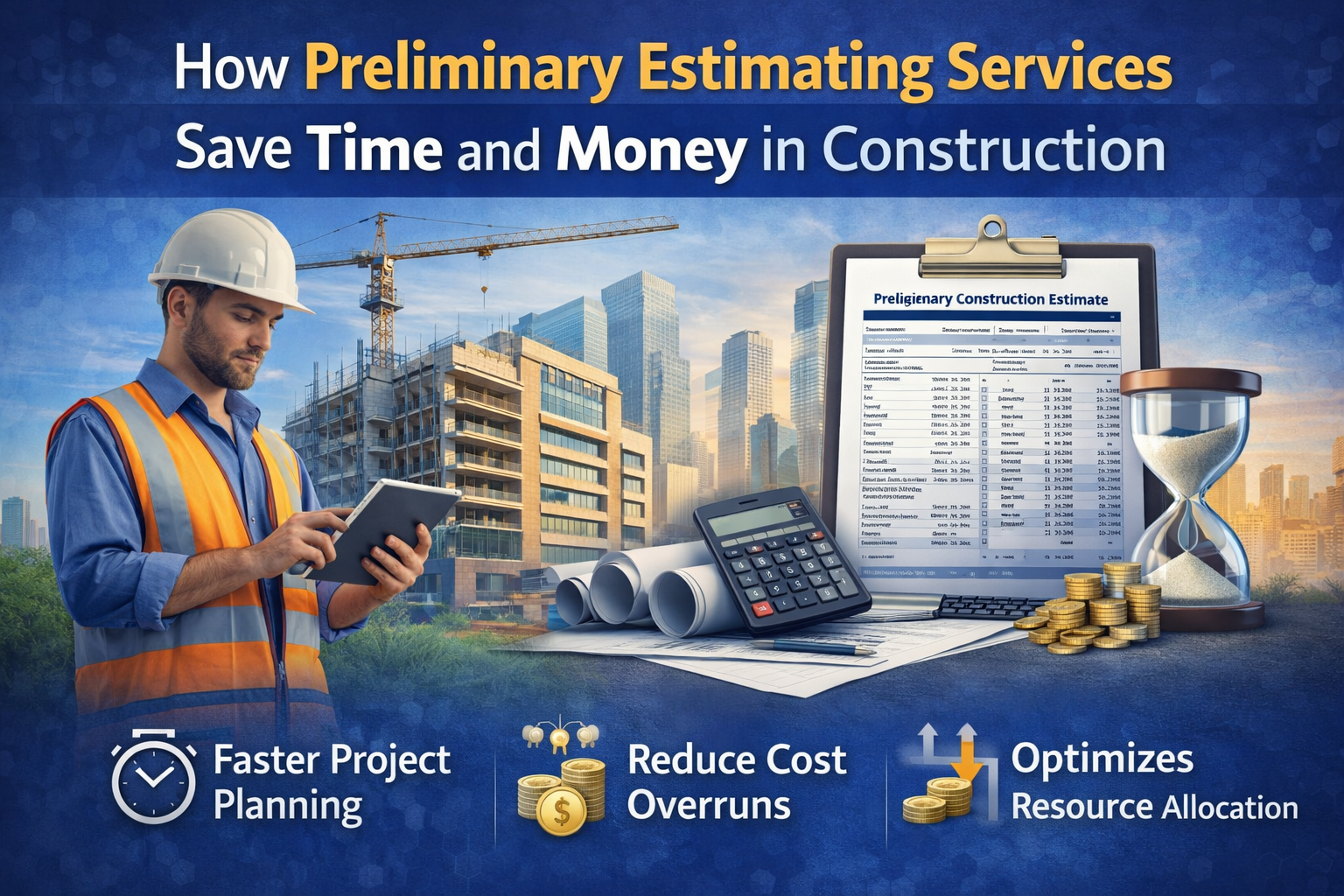
How Preliminary Estimating Services Save Time and Money in Construction
The construction industry is highly competitive, where accurate planning and budgeting determine whether a project succeeds or fails. One of the most important steps in the early phase of any construction project is preliminary estimating. Before a contractor submits a bid or begins detailed planning, preliminary estimating services provide an approximate cost

Finding cleaner ways to power the world today
Eget gravida cum sociis natoque penatibus. Scelerisque mauris pellentesque pulvinar pellentesque habitant morbi. Erat imperdiet sed euismod nisi porta lorem mollis aliquam. Diam vulputate ut pharetra sit. In dictum non consectetur a erat nam. Pulvinar proin gravida hendrerit lectus a. Duis ultricies lacus sed turpis tincidunt. Et molestie ac feugiat sed lectus.

Represent Shorts: The Ultimate Standard of Premium Streetwear Comfort
The Represent Shorts have become a defining staple in the world of modern streetwear, delivering a seamless blend of luxury craftsmanship and everyday comfort. We recognize that these shorts are more than casual wear; they represent a refined approach to relaxed fashion. With a growing presence in global street style, Represent Shorts are embraced by individual

Carsicko Tracksuit: The Ultimate Fusion of Streetwear Comfort and Urban Style
The Carsicko tracksuit has emerged as a powerful symbol of contemporary streetwear, combining modern aesthetics, premium comfort, and urban authenticity. We observe that this apparel has become a go-to choice for individuals seeking a bold yet versatile outfit that reflects personal style. Its growing presence across fashion-forward communities highlights its i
Leave a Reply