


How Market Cap Affects Shareholder Value
Understanding how the market assesses a company’s worth provides insight into how investors interact with its stock. This measure changes continuously as prices move and sentiment evolves, shaping perceptions of stability, growth prospects, and business strength. As shareholder interests are tied to these movements, changes in valuation influence how investors view the long‑term potential of their holdings.
What Market Cap Represents
Market cap serves as an indicator of a company’s size and standing in the market. It adjusts with every price change and reflects how participants collectively judge the company’s prospects.
Key characteristics include:
- It is calculated as: share price × total outstanding shares.
- It responds to earnings announcements, major developments, and economic conditions.
- It allows comparisons across companies and industries, helping investors identify positioning and relative strength.
Because it signals how the market currently views a business, shifts in this measure influence how investors interpret future potential.
How Market Perception Is Reflected
This form of valuation helps show whether the market views a company as well‑positioned or facing challenges. Several elements shape this perception:
1. Performance Trends
Growth in revenue, profitability, or momentum from new products can lift prices, while weak results or competitive pressure often pull them down.
2. Broader Sentiment
Industry‑wide changes, economic cycles, and investor psychology can drive rapid shifts. Optimism or caution may strengthen or weaken valuations even when fundamentals remain steady.
Through these signals, valuation levels reveal the direction in which the market believes the company is headed.
Categories and Their Impact on Investor Experience
Businesses are often grouped by size, large, mid, and small, based on valuation ranges. These categories help explain risk, stability, and trading behaviour.
Large‑Sized Companies
- Established presence: Usually represent mature businesses with diversified operations and stable revenue visibility.
- Steadier price behaviour: High trading volumes often support smoother movements and lower volatility.
- Information availability: Broad analyst coverage and disclosures make performance tracking more transparent.
Small‑Sized Companies
- Early-stage or niche focus: Often include growing firms still expanding scale, markets, or product lines.
- Higher price sensitivity: Lower liquidity can lead to sharper swings when demand or supply shifts.
- News responsiveness: Earnings updates or announcements may influence prices more quickly and noticeably.
Recognising these differences helps investors understand how ownership experience varies across company types.
How Growth in Market Valuation Strengthens Investor Value
When valuations rise, investors may see several interconnected advantages that influence both portfolio strength and long-term outlook:
1. Higher Ownership Worth
As share prices rise, the value of each holding increases, strengthening overall portfolio value. This growth can enhance financial flexibility and improve the investor’s net position without additional purchases.
2. Competitive Positioning
Increasing valuation often signals stronger business performance or improved market confidence. Such perception can incur broader investor interest and support business opportunities like partnerships or expansion.
3. Strategic Flexibility
Companies with higher valuations may find it easier to raise funds through equity or debt. Greater access to capital can support innovation, acquisitions, and long-term initiatives that contribute to sustained growth.
When a Decline Affects Investor Outcomes
Falling valuations can shape perception, risk assessment, and strategic decisions in several ways:
- Persistent declines may signal operational inefficiencies, slowing demand, or sector-wide pressures affecting performance expectations.
- Lower liquidity can intensify volatility, as fewer active buyers and sellers make prices react more sharply to trades.
- Weak valuation trends may restrict access to capital, making fundraising, expansion, or refinancing more difficult.
- Extended downward movement can alter long-term sentiment, prompting reassessment of growth outlook and business sustainability.
- Even though market fluctuations are normal, sustained declines can influence how market participants reassess risk and long-term expectations.
Why Market Cap Matters for Long‑Term Wealth
This remains a key reference point for evaluating companies and understanding portfolio composition:
- Helps create balanced portfolios by combining large, mid, and small companies with different risk-return profiles.
- Allows comparison between stable firms with predictable earnings and emerging businesses with higher growth potential.
- Supports alignment between company scale and investment horizon, especially for long-term planning.
- Provides insight into how companies adapt to economic cycles, industry shifts, and competitive pressures.
- Monitoring valuation trends over time helps assess resilience, consistency, and the ability to sustain growth.
Conclusion
Changes in a company’s valuation influence how the market views its strength, prospects, and potential. Increases may support long‑term shareholder confidence, while declines highlight areas requiring attention. Understanding how valuation interacts with performance, expectations, and market sentiment enables investors to interpret the evolving worth of their holdings with greater clarity.
Related Posts
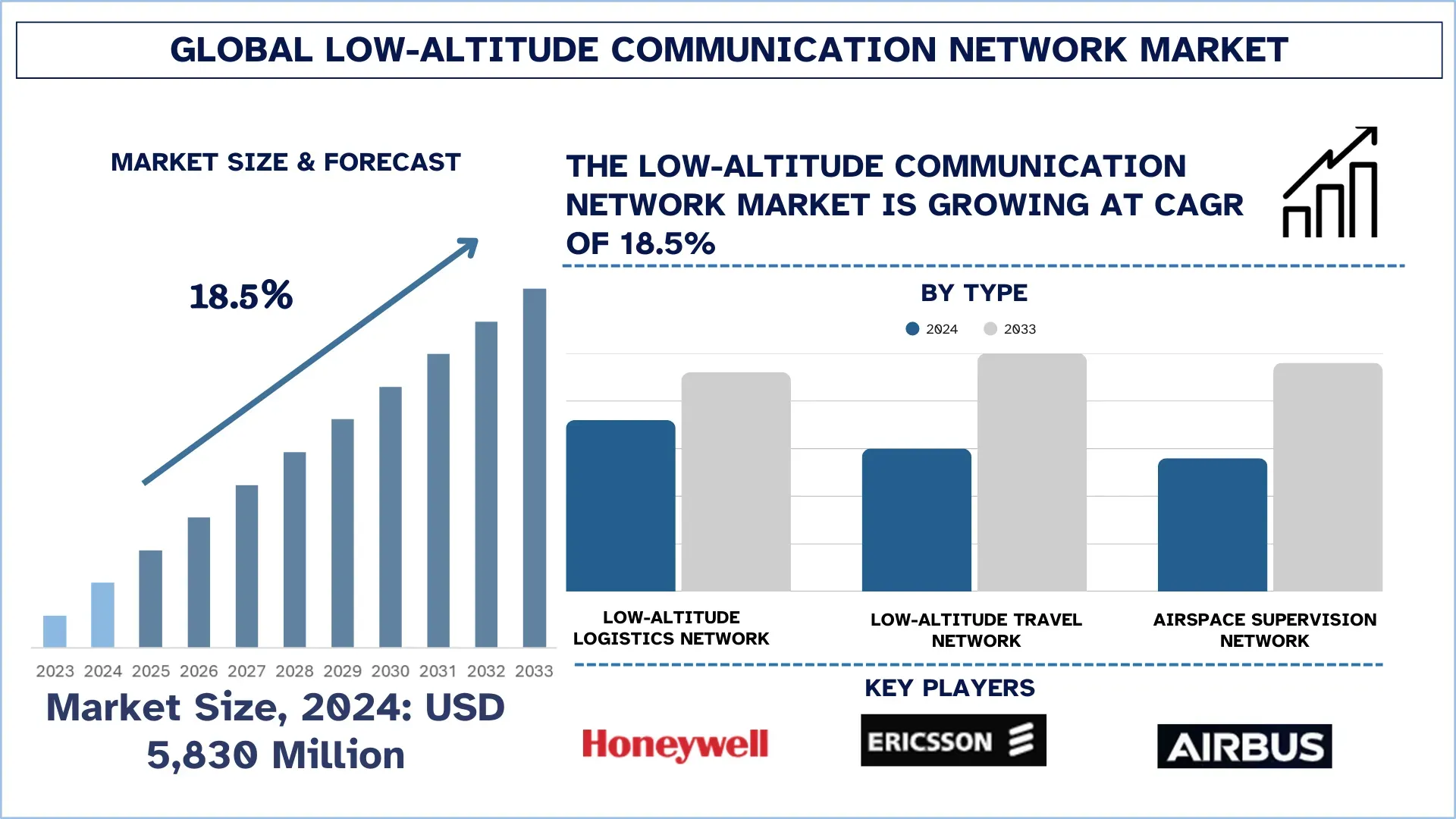
Low-altitude Communication Network Market Size & Forecast, 2033 | UnivDatos
According to UnivDatos, rapid growth in drone, UAV, and eVTOL deployments for commercial and government applications is the major factor driving the growth of the Low-altitude Communication Network market. As per their “Low-altitude Communication Network Market” report, the global market was valued at USD 5,830 million in 2024, growing at a CAGR of about 18

Paradeplatz Botox: Redefining Expression With Precision and Confidence
Introduction: Beyond Wrinkles Botox is often misunderstood as a tool for erasing time. Paradeplatz Botox, however, is less about hiding age and more about enhancing natural expression. It’s a subtle art of precision, allowing your face to convey confidence, calm, and vitality—without losing the uniqueness of your features. It’s not about looking different

The Future of Mobile App Development: Trends, Strategies, and Business Impact
In today’s fast-paced digital landscape, mobile applications have become essential tools for businesses aiming to engage customers, streamline operations, and drive growth. From startups to global enterprises, investing in high-quality mobile solutions is no longer optional—it’s a necessity. As technology continues to evolve, understanding the latest tren

Ethical Hacking Training & Practical Cyber Security Guide (2026)
Why Cyber Security is the Most In-Demand Skill in 2026 Rising Cyber Threats and AI-Based Attacks Let’s be real—our lives are online now. Banking, shopping, communication, even careers… everything depends on digital systems. But here’s the twist: as convenience increases, so do cyber threats. In 2026, cybercrime is not just growing—it’s evolving at a
Leave a Reply