

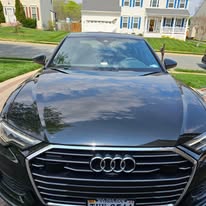
How Long Does Window Tint Last
Average Lifespan of Window Tint
A properly installed, high-quality window tint typically lasts between 5 to 10 years, sometimes longer.
However, that range can vary based on:
- Type of tint film
- Exposure to sunlight
- Climate conditions
- Installation quality
- Maintenance habits
Lower-quality films may start to show signs of wear within a few years, while premium films—especially ceramic-based ones—can maintain their appearance and performance for much longer.
A common mistake I see is assuming all tint is the same. In reality, the difference between entry-level and high-quality film can be several years of lifespan.
Types of Window Tint and Their Durability
Not all tint films are built equally. The type of material plays a major role in how long it lasts.
Dyed Film
Dyed tint is one of the most basic options. It provides a darker appearance but tends to fade over time.
- Shorter lifespan
- More prone to discoloration
- Less UV resistance
Metalized Film
This type uses metallic particles to reflect heat and UV rays.
- More durable than dyed film
- Better heat rejection
- Can interfere with signals in some cases
Carbon Film
Carbon tint offers improved durability and better resistance to fading.
- Strong UV protection
- Longer lifespan
- Maintains color better over time
Ceramic Film
Ceramic tint is one of the most advanced options available.
- Excellent UV blocking
- High durability
- Minimal fading over time
- Clear visibility with strong protection
From what I’ve seen, vehicles with ceramic tint tend to hold up the best over long periods, especially in areas with strong sunlight.
How Sun Exposure Affects Tint Longevity
Sunlight is one of the biggest factors in how long window tint lasts.
UV rays and heat gradually break down the film, especially on vehicles that spend most of their time parked outdoors.
Signs of sun-related wear include:
- Fading color
- Bubbling or peeling
- Purple or uneven tint appearance
Personal observation:
Cars that are parked outside every day tend to show tint wear much earlier than garage-kept vehicles. Even high-quality tint can age faster with constant exposure.
Reducing direct sunlight when possible can significantly extend the life of your tint.
Installation Quality Makes a Big Difference
Even the best tint film won’t last if it’s installed poorly.
Proper installation ensures:
- Smooth adhesion
- No air bubbles
- Even coverage
- Strong bonding to the glass
Poor installation can lead to early issues like peeling, lifting at the edges, or trapped debris.
According to detailing professionals in auto detailing fredericksburg va, proper installation plays just as important a role as film quality when it comes to long-term performance and durability.
From experience, this is absolutely true. A well-installed mid-range film often outlasts a poorly installed premium one.
Signs That Window Tint Is Wearing Out
Over time, window tint will show signs that it’s starting to break down.
Common indicators include:
- Bubbling between the film and glass
- Peeling at the edges
- Fading or discoloration
- Reduced clarity when looking through the window
Once these issues start, they usually continue to worsen. At that point, replacement is often the best option.
Catching these signs early can help you plan for maintenance before the tint becomes too damaged.
How to Extend the Life of Window Tint
While you can’t stop wear completely, you can slow it down with proper care.
Simple habits make a noticeable difference:
- Use gentle, ammonia-free cleaners
- Avoid abrasive cloths or tools
- Be careful when rolling windows up and down
- Park in shaded areas when possible
- Clean windows regularly to prevent buildup
Insider tip:
Avoid cleaning tinted windows for the first few days after installation. The film needs time to cure properly, and early cleaning can affect how well it bonds.
Another useful tip is to dry windows with a soft microfiber towel instead of letting water spots sit. This helps maintain clarity over time.
Climate and Environment Matter
Where you live has a direct impact on how long tint lasts.
Factors that affect durability:
- High heat and strong sunlight
- Cold temperatures with frequent expansion and contraction
- Humidity and moisture
- Road debris and dust
Vehicles in hotter climates typically experience faster wear, especially if parked outdoors regularly.
From experience, tint in milder climates tends to maintain its appearance longer, even with regular use.
Balancing Appearance and Function
Window tint serves both visual and functional purposes.
Over time, even if the tint still blocks UV rays, its appearance may change. Fading or discoloration can make the vehicle look less maintained, even if the performance remains acceptable.
Deciding when to replace tint often comes down to:
- Visual condition
- Clarity
- Comfort level
In some cases, people choose to replace tint for appearance alone, even if it still provides protection.
Common Mistakes That Shorten Tint Lifespan
Certain habits can reduce how long tint lasts.
Avoid these:
- Using harsh cleaning chemicals
- Scrubbing windows aggressively
- Ignoring early signs of damage
- Rolling windows down too soon after installation
- Choosing low-quality film
Most premature tint failures come from either poor installation or improper care.
Final Thoughts
Window tint can last for many years when the right combination of quality, installation, and maintenance is in place. While most films fall within a 5 to 10-year lifespan, the actual durability depends on how the vehicle is used and how well the tint is cared for.
Choosing a high-quality film, ensuring proper installation, and following simple maintenance habits can significantly extend its life. Paying attention to early signs of wear also helps you address issues before they become more noticeable.
Also read for more information so click here.
Related Posts

Printed Mylar Bags Wholesale for Secure Product Storage
Printed Mylar bags wholesale for secure product storage are a smart choice for businesses that want safe and long-lasting packaging. These bags are made with strong materials that protect items from air, light, and moisture. This helps keep products fresh and in good condition for a longer time. Many brands use Mylar bags because they are simple, durable, and e

Innovative Strategies for Packaging Austin TX Businesses to Stand Out in a Competitive Market
In today’s fast-moving and highly competitive business landscape, packaging is no longer just a way to protect products—it has become a powerful marketing tool that shapes customer perception, builds brand identity, and influences buying decisions. For businesses operating in Austin, Texas, the demand for innovative and high-quality packaging has grown sign
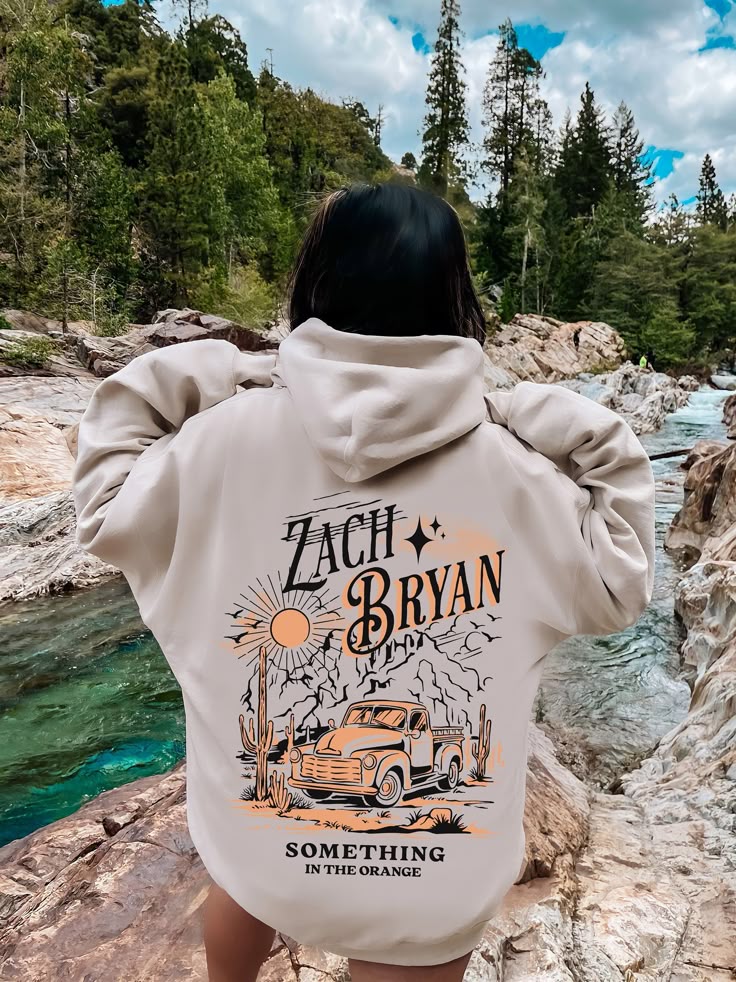
Zach Bryan Merch & Chrome Hearts Fashion Picks You Need Now
Modern fashion no longer exists in isolation—it breathes through music, attitude, and cultural identity. The rise of artist-driven merchandise, particularly from names like Zach Bryan, has blurred the boundaries between fandom and fashion, transforming simple apparel into expressive statements. At the same time, luxury streetwear brands like Chrome Hearts con
Custom Archive Boxes for Secure Office and Archive Environments
Credible storage is an issue in the manner in which organizations store records, documents, and other historical materials for extended durations. Companies, libraries, and organizations are under pressure to always use space to save information while maintaining information integrity. Custom Archive Boxes will meet these requirements by providing intelligent d
Leave a Reply