

How Commercial Cleaning Supports a Healthier Work Environment
It starts with seeing how clean spaces work. Not just wiping counters or sweeping floors commercial cleaning shapes whether people stay well and businesses last. Think about air thick with dust, corners growing mold, desks coated in grime. That kind of place quietly wears workers down. Look closer. Fewer colds spread when surfaces are managed right. Minds think clearer in fresh rooms. Attention sticks longer. People bounce back faster after stress. What feels like background the walls, vents, chairs affects what happens up front: who shows up, who speaks up, who stays sharp. Clean isn’t separate from output. It runs through it.
Workplace Cleanliness Affects Community Health
Every now and then, offices turn into busy hubs where people share space, touch common items, move through the same rooms. Without strong cleaning habits, those spaces start sheltering germs more than usual. Desks, computer keys, knobs germs stick around there longer than most expect. A single overlooked spot might pass sickness from one person to another before lunchtime hits. Missed days, stalled projects, quiet meeting rooms that often follows when illness spreads unchecked.
Illness among workers often leads to overloaded teams and slipping schedules. Because germs spread easily, specialized cleaning steps in with precise chemicals designed to destroy viruses and bacteria right down to the cell. With fewer people getting sick, the workplace stays steady, running without constant interruptions. When leaders treat cleanliness like healthcare, it shows they value their people’s health in real ways. Trust grows when actions match words about safety and support.
Breaking How Airborne Germs Spread
Inside office buildings, how clean the air is affects workers’ health over time. When ventilation systems fail, tiny things like dust, animal flakes, or chemical fumes stay floating in the air. Breathing them in day after day may cause lasting lung problems, trigger allergies, or bring on constant head pain. These effects drain people’s strength and willingness to engage at their jobs.
The Science Behind Cleaning Surfaces
Most germs stick around because gunk on desks shields them from regular wipe-downs. Instead of just wiping, experts apply enzyme-based solutions that eat through oily films left by hands. Heat-powered tools then pull out trapped debris hiding under keyboards or door handles. Once those food-like residues vanish, microbes lose their breeding ground. Cleaners disrupt virus shells during treatment, stopping spread before it starts. Surfaces stay less hospitable longer after this kind of deep clean.
Safeguarding Employee Wellness and Reducing Chronic Stress
A tidy workplace does more than look good it eases the mind. Workers in clean spaces tend to feel less tense, less on edge. Mess and dirt pull attention sideways, nudging thoughts toward what’s left undone. With upkeep handled expertly, people often settle into focus without trying. Quiet order leads to quiet minds.
Clean spaces speak louder than rules ever could. People notice care when walking into an office wiped down like it matters because it does. That kind of attention tells them their presence is more than routine. It stirs something quiet but real inside, making teamwork feel less forced. Room by room, tidiness turns walls and desks into quiet supporters of better days and sharper thinking.
Improved Breathing with Better Dust Filters
Modern commercial properties are tightly sealed to optimize energy efficiency, which unfortunately traps airborne contaminants inside the building. Dust mites, carpet fibers, and construction residues frequently circulate through the HVAC systems, causing irritation to the eyes, nose, and throat. For facilities aiming to achieve optimal indoor air quality, partnering with commercial cleaning services manhattan ks ensures that industrial-grade HEPA filters and air handling units are consistently maintained and monitored.
Most workplaces fight dust because it settles everywhere, blocking clean airflow across desks and shelves. Breathing stays clearer when tiny bits stay off the air, thanks to vacuums with strong filters used by trained cleaners. These machines catch what regular ones miss, stopping small stuff from swirling back out during cleanup. Workers find their energy holds longer, minds stay sharper, once grit in the atmosphere drops noticeably.
Stopping Germs Spreading in Shared Work Areas
Most people pass through breakrooms and toilets every day, making these spots risky without focused care. Germs take hold fast when surfaces stay untouched between uses by different staff. A system built on assigned colors for tools keeps mop heads out of lunch spaces after they’ve touched restroom floors. One wipe path does not meet another safety grows quietly where habits stay separate.
High-Touch Surface Management
Most office sickness spreads through surfaces people touch a lot. Things like door knobs, elevator panels, copy machines, fridge doors carry huge numbers of germs. Cleaning these spots often during the day helps lower how much virus hangs around inside buildings. Workers use special spray tools that charge the cleaning fluid so it wraps fully around tricky shapes – places regular wipes skip by accident.
Elevating Workplace Hygiene Through Full Facility Maintenance
Every workspace has its own rhythm, so one-size-fits-all won’t work. A clean office begins with attention tuned precisely to how your team moves through the day. Instead of harsh chemicals, we choose plant-based cleaners that leave surfaces spotless without lingering fumes. Because downtime matters, crews come after everyone leaves quietly refreshing floors, desks, windows. What shows up each morning isn’t just neatness, it’s respect built into the routine.
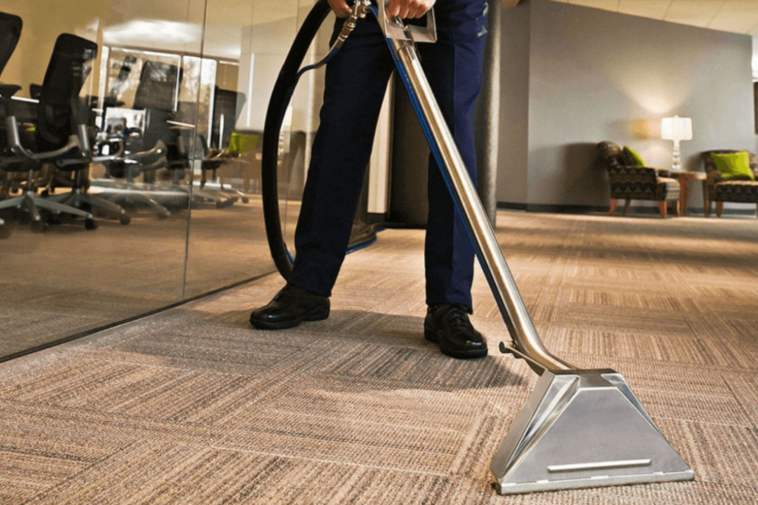
Every detail gets noticed because our staff trains hard in modern cleaning methods. Starting fresh each day, they tackle tough jobs like pulling dirt from carpets, shining glass, and polishing floors. Because these chores are covered, companies can move forward with their main goals. A clean space isn’t just seen – it’s felt, especially when done right. Trust builds slowly, yet shows up instantly in how a workplace looks and runs.
Conclusion
Most days, dust settles where people least expect it. Because germs travel unseen, regular cleanup becomes less about looks and more about safety. Without steady attention to hygiene, even smart teams slow down. Breathing cleaner air helps thinking stay sharp. Mood lifts when spaces feel cared for. Fewer sick absences mean work flows smoother. Companies that treat cleanliness seriously often skip extra costs later. People notice how places smell before they see them. Health thrives where dirt does not.
Clean offices do more than just look good. Because air feels fresher, people breathe easier throughout the day. Surfaces wiped down regularly lower the chance of germs spreading around. Spaces kept neat help conversations flow without distractions piling up. One person works better when their surroundings feel under control. Trust grows once teams notice management cares about well-being. That trust sticks around longer than any policy written on paper. Over time, fewer sick days mean tasks move forward steadily. Mood shifts subtly, yet noticeably, when clutter fades away. Growth happens quieter here less noise, more doing.
Related Posts

ILounge Atlanta: Where Nightlife Meets Style and Fun
ILounge Atlanta: Where Nightlife Meets Style and Fun For those who crave a nightlife experience beyond the ordinary, ILounge Atlanta offers a unique blend of music, cocktails, and hookah in the heart of downtown. Far from a typical bar, this lounge has become a hotspot for social gatherings, late-night conversations, and unforgettable nights out. Downtown Atlan
Play Monopoly Live Online with Big Baller Game
See How to Improve Your Earnings in Monopoly Live: Four Segments of the Board That Boost Your Property Rights Getting to Know Monopoly Live This game blends the traditional aspects of Monopoly with the lively atmosphere of live gaming, making it innovative. Hasbro developed this game, changing how players connect with the classic Monopoly experience. Monopoly L

Beginner to Advanced Cyber Security Training UK: Complete Guide to Penetration Testing Course at Future Connect Training & Recruitment
In today’s digital world, cyber threats are evolving faster than ever. From data breaches to ransomware attacks, organizations across the UK are investing heavily in cybersecurity professionals. This is why beginner to advanced cyber security training UK has become one of the most in-demand career pathways. If you are looking for a practical, job-orien
What is English Assignment Help and How Does It Improve Writing Skills?
English is one of the most important subjects in academics, as it plays a key role in communication, writing, and overall academic success. However, many students find it challenging to complete English assignments due to difficulties in grammar, vocabulary, structure, and idea development. This is where english assignment help and general assignment help becom
Leave a Reply