

How Can You Build A Smarter Garden In 2026?
In 2026, the shift toward sustainable urban living has turned the backyard garden into a high-tech ecosystem. With water scarcity becoming a new normal in many regions, homeowners are no longer satisfied with wasteful sprinklers. Instead, the focus has moved toward precision. Achieving a lush, productive landscape now depends on a smart combination of three core technologies: a reliable pump for a drip irrigation system, a well-designed micro drip irrigation system, and the power of a domestic water pump.
Choosing A Pump for a Drip Irrigation System
Efficiency in a modern garden starts at the source. For a drip network to function correctly, water must move from your storage tank or well to the emitters with consistent force. This is where selecting the right pump for drip irrigation system becomes critical. Unlike traditional high-volume pumps, an irrigation-specific pump is designed to handle the lower flow rates required by drippers without overheating.
In 2026, centrifugal pumps will become the standard for residential setups. They are valued for their ability to maintain steady pressure over long durations. When choosing a pump for a drip irrigation system, it is vital to match the head (the height the pump must lift water) and the flow rate to the total number of emitters in the garden. A pump that is too powerful can lead to burst fittings, while one that is too weak will result in dry patches at the end of the line.
Efficiency At The Root
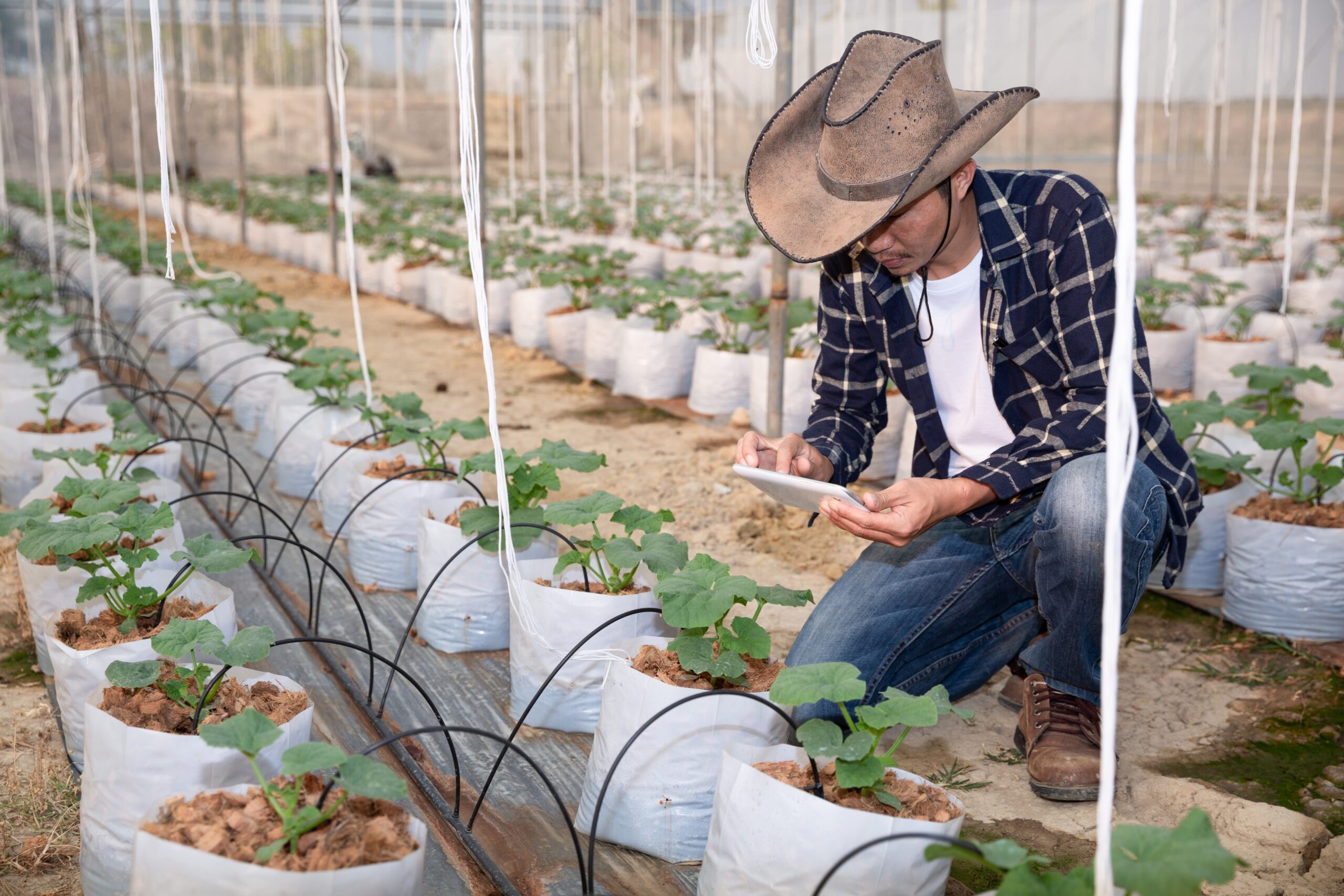
Once the water is moving, the next step is delivery. The micro drip system is the industry leader for 2026, offering up to 50% more efficiency than overhead watering. By delivering water directly to the soil surface or the root zone, these systems virtually eliminate evaporation and runoff.
These systems are composed of a network of flexible, UV-resistant tubing and specialized emitters. In a micro drip system, these emitters can be adjusted to provide a specific number of liters per hour to each plant. This allows a gardener to give a thirsty tomato plant exactly what it needs while keeping nearby drought-tolerant herbs on a leaner schedule.
- Zoning: Modern systems allow the garden to be divided into zones, ensuring that shaded areas aren’t overwatered compared to sun-drenched flowerbeds.
- Disease Prevention: Because water is applied to the soil rather than the leaves, the risk of fungal diseases and blight is significantly reduced.
Solving The Pressure Problem With A Domestic Water Booster Pump
Many urban gardeners face a common hurdle: low mains pressure. If the water pressure coming from the street is weak, the emitters at the far end of a garden may only trickle or stop working entirely. This is where a domestic water pump becomes an essential piece of hardware.
These compact, often silent units are installed between the main water supply and the irrigation lines. Their primary job is to boost the incoming pressure to a level that can support a complex irrigation network. In 2026, smart booster pumps have become popular because they automatically adjust their speed based on demand. If the irrigation timer clicks on, the domestic water pump senses the pressure drop and kicks in to ensure every plant receives its designated share.
Integrating The Three Technologies
For the most successful 2026 garden, these three components should work in a synchronized loop. The booster pump ensures the house and garden always have enough pressure. This pressurized water is then managed by the irrigation pump, which regulates the flow for the specific needs of the plants. Finally, the drip system executes the plan, releasing water drop by drop exactly where it is needed most.
This integrated approach doesn’t just save water; it saves time. With the help of 2026 smart controllers, a homeowner can monitor their system on a smartphone and receive alerts if a leak is detected or if a pump requires maintenance.
Frequently Asked Questions
Do I really need a booster pump if I have a standard garden hose?
While a hose might work for manual watering, a drip system requires a consistent working pressure (usually around 20–30 psi) to keep emitters open. If multiple taps are in use in the house simultaneously, a domestic water pump ensures your plants don’t run out of water while someone is showering.
Can a pump for drip irrigation system handle graywater or rainwater?
Yes, but filtration is key. Most 2026 irrigation pumps are designed for clean water. If using rainwater from a barrel, a high-quality mesh or disc filter must be installed before the water enters the pump for a drip irrigation system to prevent sediment from clogging the delicate emitters in the drip line.
What is the lifespan of a micro drip irrigation system?
With proper maintenance, such as flushing the lines once a season and checking for clogs, a high-quality micro drip system can last 8 to 12 years. Many modern components are now also made from UV-stabilized materials to prevent cracking in the sun.
How much energy does a domestic water booster pump consume?
Most 2026 models are highly energy-efficient. Because they only run when they detect a pressure drop, they spend most of their time in a low-power standby mode. On average, they use less electricity than a standard kitchen appliance.
Is it difficult to install these systems as a DIY project?
The drip system is very DIY-friendly, often coming in kits with push-fit connectors. However, installing a booster pump may require some basic plumbing knowledge or a professional to ensure it is correctly integrated into the home’s main water line.
Related Posts

Menu Sehari-hari Lumba-lumba: Pemburu Sosial di Lautan
Menu Sehari-hari Lumba-lumba: Pemburu Sosial di Lautan Gambar malam yang memukau, dengan bulan purnami bersinar cemerlang di langit dan seekor lumba-lumba melompat keluar dari permukaan air yang berkilauan, menampilkan keindahan dan dinamika kehidupan di lautan. Di balik pemandangan yang legendaris ini, terdapat seorang pemburu yang sangat efektif dan cerdas. L
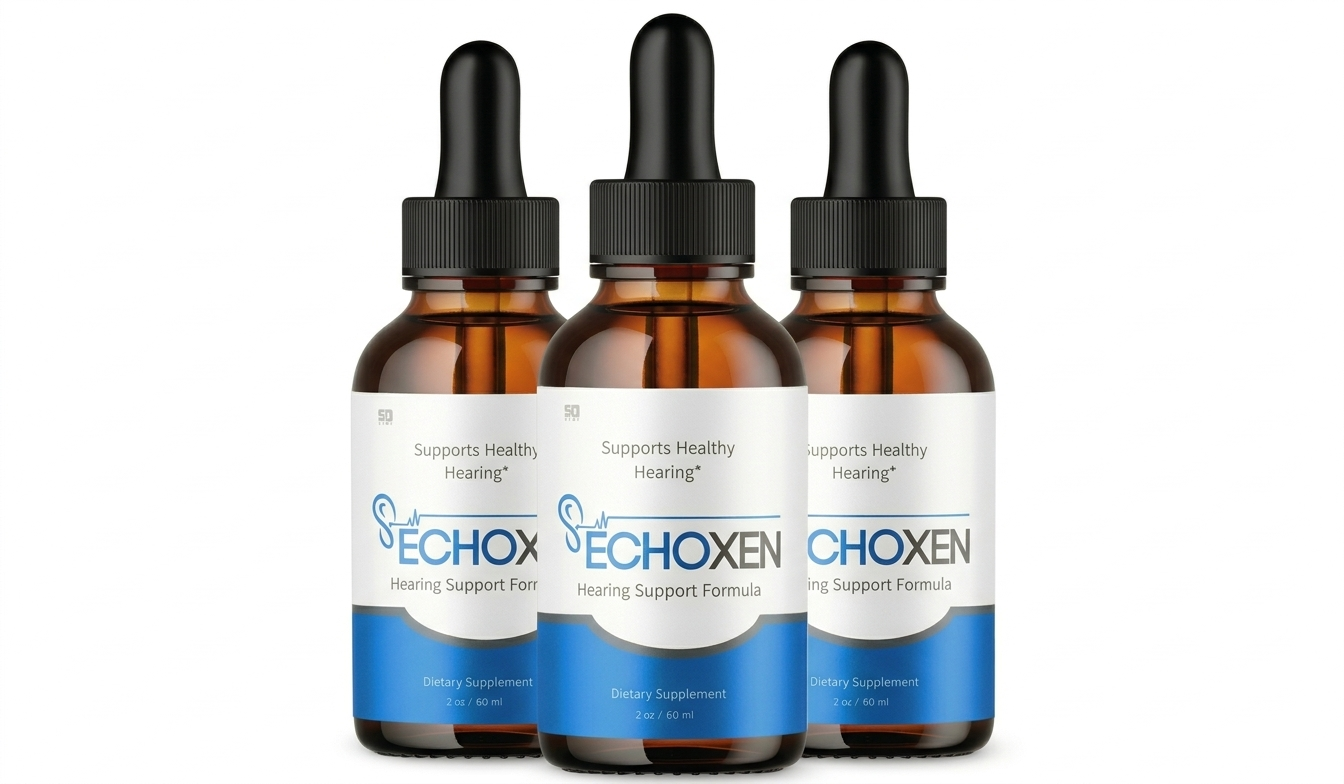
EchoXen Reviews 2026 – Does It Really Support Hearing Health?
Hearing is one of our most valuable senses, yet modern lifestyles, loud environments, and age-related changes can compromise ear health. Many people experience ringing in the ears, difficulty focusing, or gradual hearing decline. EchoXen is a natural ear health supplement formulated to support hearing clarity, auditory nerve health, and overall ear wellness. Th

What Makes Embassy Alibaug Unmissable?
I drive to Thal Village in Alibaug on a morning when the sky meets the sea. The road feels smoother than I remember. The air smells different here. Salt. Earth. Possibility. Embassy Alibaug waits at the end of this road. A project that people talk about. A development that draws attention. A place that seems to call from the coast. I go there to understand
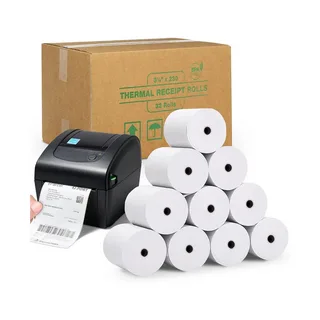
Thermal Printer Roll: A Reliable Solution for Fast and Clear Printing
Thermal Printer Roll for Efficient and Hassle-Free Printing Thermal printer roll is an essential component for businesses that rely on quick, clear, and consistent printing. From retail stores to restaurants and logistics operations, thermal paper rolls are widely used for printing receipts, invoices, and transaction records. Their efficiency and low maintenanc
Leave a Reply