

From Application to Arrival: Understanding Canada’s Path For Couples
Distance is hard. Anyone who has ever been in a relationship where an ocean, a border, or a visa stands between them and the person they love knows just how exhausting and emotional that gap can be. The good news is that Canada has a clear, structured path designed specifically to bring couples together permanently, and understanding how it works can make the whole journey feel a lot less overwhelming.
Whether you’re a Canadian citizen or permanent resident looking to bring your partner here, or you’re the one waiting abroad hoping to join your loved one, this guide walks you through the process.
Who Can Use This Pathway?
Canada’s family reunification program is open to Canadian citizens and permanent residents who want to bring their spouse, common-law partner, or conjugal partner to Canada. The person doing the bringing is called the sponsor. The person coming to Canada is called the principal applicant.
Spousal sponsorship in Canada covers three types of relationships.
- A spouse is someone you are legally married to.
- A common-law partner is someone you have lived with continuously for at least 12 months in a marriage-like relationship.
- A conjugal partner is someone you’ve been in a committed relationship with for at least a year but couldn’t live together due to circumstances beyond your control, like immigration barriers or religious restrictions.
To be eligible as a sponsor, you must be at least 18 years old, live in Canada (or plan to return when your partner arrives), and be able to show that your relationship is genuine. You don’t need to be rich; there’s no minimum income requirement for sponsoring a spouse or partner, unlike some other immigration categories.
Two Ways to Apply: Inland VS. Outland
One of the first decisions couples face is choosing between two application streams — and the right choice depends on your situation.
Option 1 – Inland application
Your partner is already in Canada (on a valid visa). They apply for permanent residence while in Canada and may be eligible for an open work permit while waiting.
Option 2 – Outland application
Your partner applies from their home country. Processing happens through a visa office abroad. Often faster, and your partner can still visit Canada while waiting.
Most couples going through Canadian spouse sponsorship choose the outland route because it tends to move faster, but both paths lead to the same destination: permanent residency in Canada.
What Does the Application Actually Involve?
The application is submitted in two parts simultaneously – the sponsorship application (from the Canadian side) and the permanent residence application (from the foreign partner’s side). Both go in together.
Here’s what you’ll generally need to pull together:
- Proof of your relationship – photos, communication records, travel history together, joint accounts or leases
- Identity documents – passports, birth certificates, marriage certificates, if applicable
- Completed IRCC forms – there are several, and each needs to be filled out carefully
- Police clearance certificates from every country your partner has lived in for 6+ months
- Medical examination results – done by an IRCC-approved physician
- Application fees – currently around CAD $1,050–$1,150, depending on the stream
The proof of a relationship is often underestimated. Immigration officers want to see that your relationship is real and ongoing. Screenshots of texts, photos from trips, records of video calls, letters – all of it helps paint a genuine picture.
If you’re going through a wife sponsorship Canada or bringing any spouse here, think of the application as telling the story of your relationship on paper.
How Long Does it Take?
This is the question every couple asks first, and the honest answer is: it varies. Processing times for spousal sponsorship have ranged from as little as 9 months to over 2 years, depending on the visa office, the country your partner is applying from, and the completeness of your application.
IRCC (Immigration, Refugees and Citizenship Canada) posts updated processing time estimates on its website, and these shift frequently. Generally, outland applications from certain countries are processed faster than those from others. Inland applications can sometimes take longer, but come with the benefit of your partner already being in Canada with you.
The best thing you can do to avoid delays? Submit a complete, well-organized application the first time. Missing documents or unclear information are the most common reasons for delays or requests for additional information.
What Happens After Approval
Once approved, your partner will receive a Confirmation of Permanent Residence (COPR) document and, if applying from abroad, an immigrant visa. They’ll use this to enter Canada as a permanent resident. At the border, a CBSA officer will confirm their status and officially land them as a permanent resident of Canada.
From that moment, your partner can live, work, and study anywhere in Canada. They’ll receive a PR card within a few weeks, which serves as official proof of their status. After three years of living in Canada as a permanent resident, they may be eligible to apply for Canadian citizenship.
A Note For Common-Law and Same-Sex Couples
Canada’s program is fully inclusive. Whether you’re married, common-law, or in a same-sex relationship, the process is the same. When you sponsor your spouse or common-law partner, the relationship type doesn’t affect your eligibility — what matters is that your relationship is genuine, stable, and well-documented.
Common-law couples sometimes worry their relationship won’t be recognized because they don’t have a marriage certificate. Don’t worry, IRCC accepts common-law relationships fully, as long as you can show you’ve been living together for at least 12 continuous months and have evidence of a shared life.
The Emotional Side Nobody Talks About
Immigration processes are slow by nature, and waiting is genuinely hard. Many couples describe the period between submitting their application and receiving a decision as one of the most stressful stretches of their relationship. Uncertainty, time zones, visa limitations on visits, it all adds up.
If you’re going through this, know that the difficulty you’re feeling is normal and widely shared. Connecting with others in online communities for couples navigating spousal sponsorship applications in Canada can be genuinely helpful, both for practical tips and for the reassurance that others have come out the other side.
Quick Recap: The Path From Application to Arrival
- Confirm eligibility – citizen or PR, genuine relationship, sponsor aged 18+
- Choose inland (partner in Canada) or outland (partner abroad)
- Gather documents – relationship proof, identity docs, medicals, police checks
- Submit both applications together and pay the fees
- Wait for processing – stay organized, respond quickly to any IRCC requests
- Partner arrives, gets landed, receives PR card – you’re finally together
Canada’s spousal sponsorship program exists because the country genuinely believes families belong together. The process asks for patience and paperwork, but at the end of it, you get to build your life in the same place as the person you love.
That’s worth every form.
Related Posts
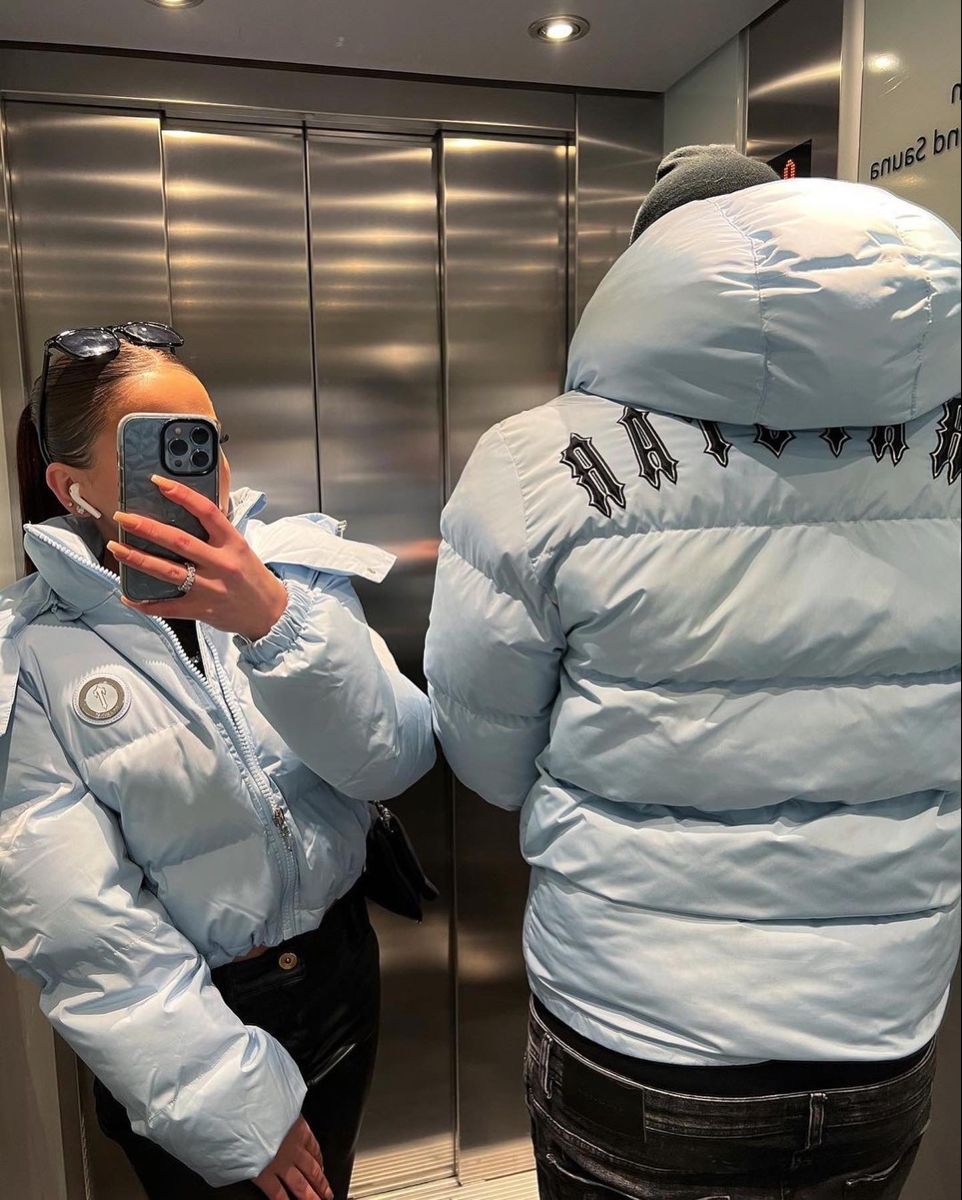
Discover Trapstar in Australia – Where Street Meets Style
The Rise of Trapstar: More Than Just a Brand If you really know street culture, then you already know Trapstar ain’t just clothing—it’s a whole movement. Born from the underground, built on hustle, and fueled by raw ambition, Trapstar represents that energy of coming from nothing and turning it into something iconic. Now, that same energy is hitting diffe
Bookkeeping Services in Australia: A Practical Guide for Modern Businesses
Introduction Running a business in Australia is not just about sales and growth—it also depends heavily on how well your finances are managed. Many business owners quickly realise that keeping track of invoices, expenses, payroll, and tax obligations is more complicated than it first appears. This is where Bookkeeping services in Australia become import
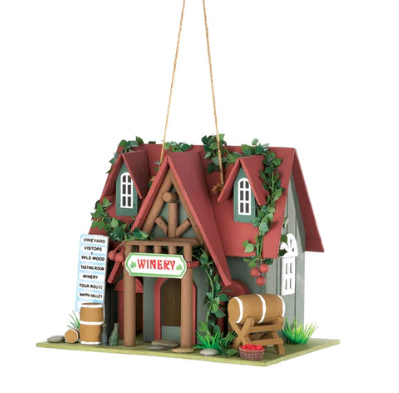
Beautiful Bird Houses to Attract Birds Naturally
Introduction A garden feels different when birds decide it’s worth visiting. That small shift changes everything. Suddenly there’s movement in the branches, soft birdsong in the morning, and a little more life in every corner of the yard. Decorative bird houses bring that feeling home in a way that’s practical and beautiful at the same time. At Alta’s G
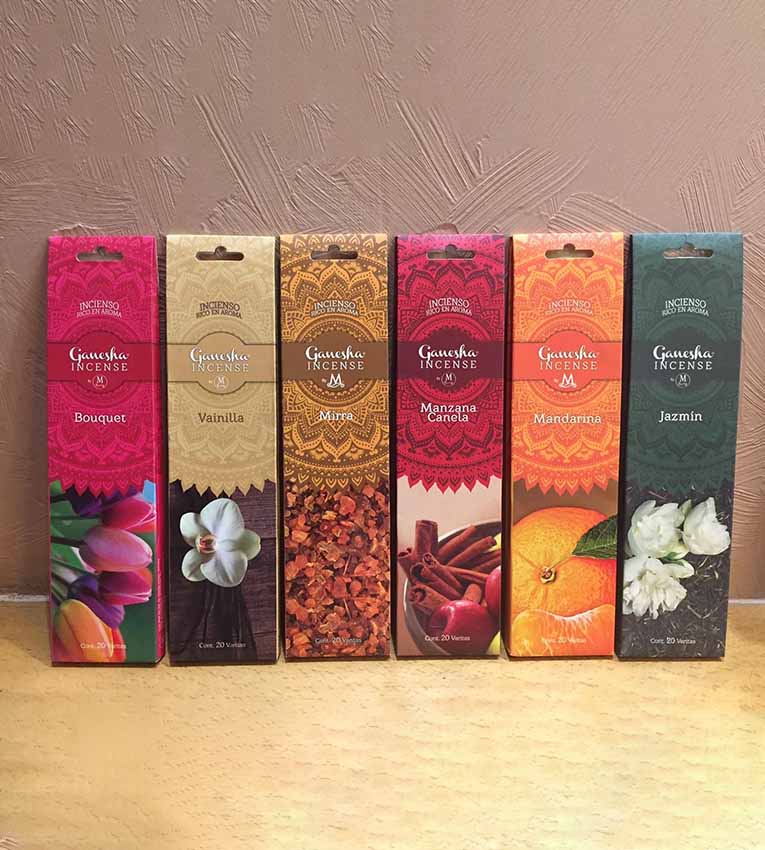
Incense Stick Packaging for Elegant, Durable & Eco-Conscious Brands
Packaging is not a mere protective packet in the world of incense; it is also an experience. The packaging creates anticipations of quality, smell, and authenticity to a customer when they first see your product. The packaging of incense sticks has to be more than just attractive aesthetics; it should also be able to offer functional durability to the fragile s
Leave a Reply