


Facing Issues with Existing Lender During Transfer? What to Do
Transferring the housing loan to a new lender enables a borrower to save on interest in many cases. However, the process is not always smooth. There are many instances where borrowers experience delays or resistance from the existing lender, especially when closing the current loan. Such situations are never ideal since they slow down the transfer procedure and result in increased stress.
The home loan transfer process involves coordination between your existing lender and the new lender. If your existing one is creating hurdles, it is always better to take quick action rather than waiting. The right action at the right time can help you avoid any complications and ensure the procedure moves forward.
When the Foreclosure Statement Is Delayed
If the lender is taking too much time to provide the foreclosure statement, don’t just rely on calling them. Send an email or personally go to their branch and ask for the statement.
It is important that you mention the request date. Also, it is recommended that you regularly follow up. If the delay continues, you must escalate the matter within the organisation. Keeping records helps you maintain control and makes the home loan transfer process move faster.
When Property Documents Are Not Released
If the original property documents are not handed over after the closure of your loan, the first step would be to ensure that all the payments and dues have been cleared. Then, a written request has to be sent seeking a clear date for the release.
You should not accept vague answers to this request and must demand a written timeline. If you do not receive a response, then the best course of action would be to escalate the situation. This would help avoid any confusion and keep the transfer process on course.
When Charges Are Not Clearly Explained
Sometimes, the lender does not clearly communicate the amount of foreclosure fees. It is always important to understand everything before you proceed.
Steps to Handle Cost Disputes
- Request for a complete breakup of all charges
- Compare these charges with your original agreement
- Ask about anything that is unclear or new
- Check the actual savings with the help of the home loan balance transfer calculator
This ensures that you do not end up agreeing to pay a cost that diminishes the advantage of transferring your loan.
When There Is a Lack of Communication
If you are not receiving clear responses, you can switch to written communication. Do not rely just on calls.
Send emails with your queries clearly mentioned along with the previous discussions. Also, ask for the next steps. This will create a record. It is recommended that follow-ups be sent regularly, helping in receiving clear responses quickly.
When the Transfer Timeline Is Slipping
If the process is taking too long, take control instead of waiting. Keep in touch with both lenders and keep a close eye on the progress. Determine where the hold-up is occurring. It may be happening due to:
- Documents
- Approvals
- Internal processes
Once you have identified the problem, you should address it directly. This will accelerate the process and prevent constant delays.
How Grihum Housing Finance Supports Smooth Transfers
Grihum Housing Finance helps its customers by keeping the transfer process simple and easy to understand. It clearly explains the documents needed, the steps to be followed, and the time involved in the process.
This way, borrowers can be better informed and won’t have any confusion. With proper knowledge and guidance, they can handle delays and proceed confidently on their loan transfer journey.
Conclusion
Facing problems with the existing lender can be time-consuming, but the right strategy is key in such cases. Every problem, whether it is a delay or unclear charges, can be taken care of with specific steps.
Companies like Grihum Housing Finance make the process easier to manage for borrowers while ensuring it is aligned with their financial goals.
Related Posts

Beyond the Cart: Innovative Marketing Strategies to Boost Online Sales
Explore practical and effective marketing strategies designed to help your e-commerce business stand out and sell more.
How to Attract More Students Online: Lead Generation Tips for Education
For educational institutions, online student acquisition is essential for growth. From universities and colleges to online courses and tutoring platforms, attracting students requires strategic marketing and targeted lead generation. Proven lead generation strategies can help educational businesses identify prospects, engage them effectively, and convert them i

8 Must Know Secrets for Great Massage Therapist Recruitment
Introduction G’day to all the spa managers, hotel legends, and wellness enthusiasts out there. If you have ever walked into a high end hotel spa and felt that immediate sense of calm, you know it isn’t just about the scented candles or the soft pan flute music playing in the background. It is about the people. Specifically, it is about the massage thera
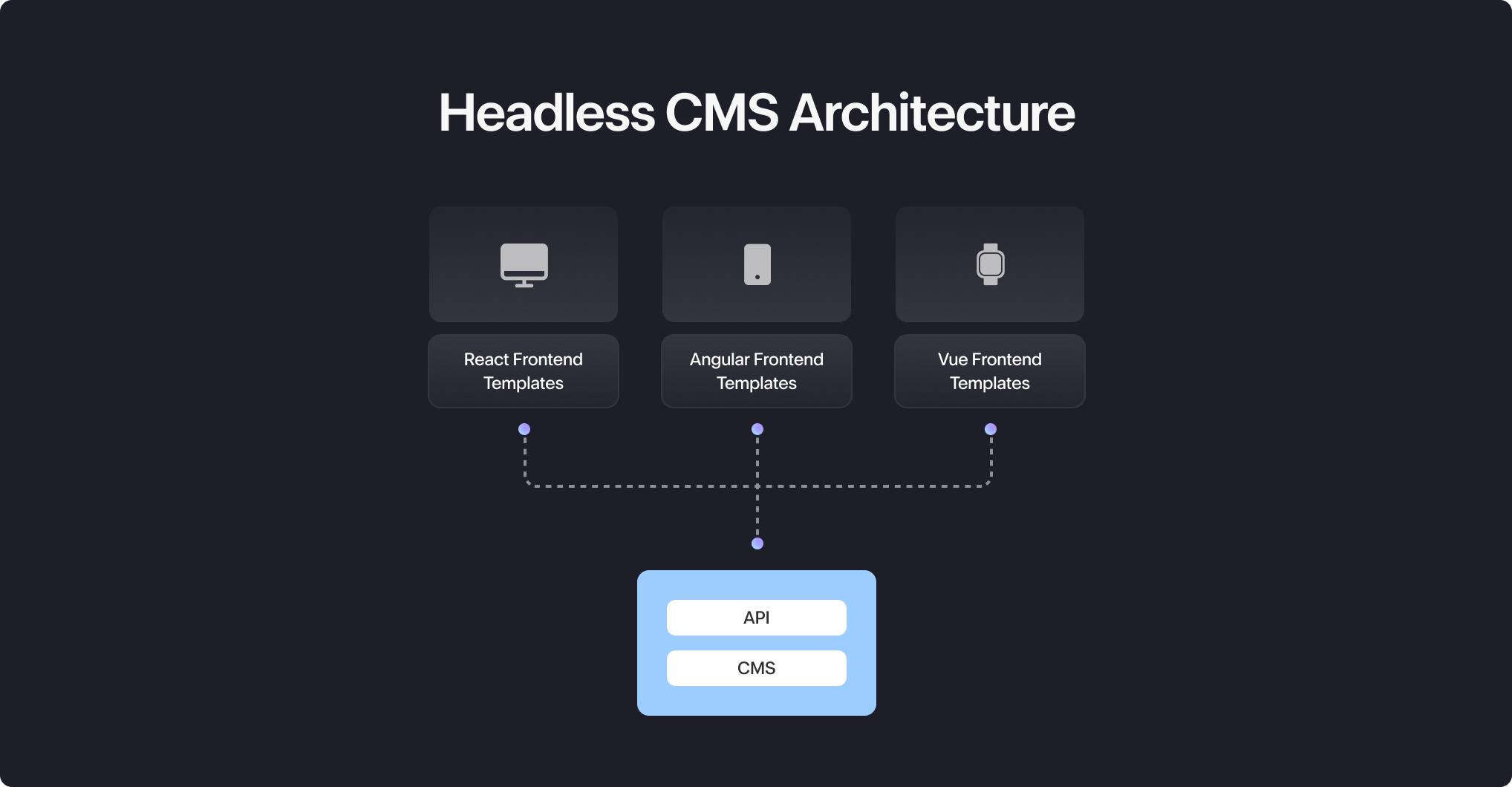
Designing Flexible Front Ends for Headless CMS Projects
Modern digital experiences demand speed, flexibility, and seamless interaction across platforms. Traditional website architectures often struggle to meet these expectations. As a result, many organizations are shifting toward headless CMS solutions. These systems separate content management from presentation, allowing developers to design flexible front ends ta
Leave a Reply