


Event-Based Architecture for Connected Business Systems
Modern businesses operate in an environment where speed and responsiveness are critical. Customers expect instant interactions, while organizations demand real-time insights. Traditional architectures, which rely on synchronous communication, often fail to meet these expectations.
As systems grow more complex, the need for dynamic and scalable integration becomes evident. Event-based architecture offers a powerful solution by enabling systems to react to changes as they occur. Instead of waiting for requests, systems publish and consume events in real time.
This shift transforms how applications communicate and collaborate. It reduces dependencies, improves scalability, and enhances responsiveness. As a result, organizations can build connected systems that adapt quickly to changing business needs.
In many real-world scenarios, event-based architecture supports seamless integration between customer engagement platforms and backend systems. For instance, implementing Five9 Salesforce Integration allows contact center interactions to trigger real-time updates in CRM systems. This ensures that customer data remains accurate and actionable, improving both service quality and operational efficiency.
Understanding Event-Based Architecture
Event-based architecture is a design pattern where systems communicate through events. An event represents a change in state, such as a new order, a customer interaction, or a payment confirmation.
In this model, producers generate events, while consumers react to them. These components operate independently, which reduces coupling between systems. As a result, changes in one system do not directly impact others.
Event brokers or messaging systems play a central role in this architecture. They manage the flow of events between producers and consumers. Popular technologies include Apache Kafka, RabbitMQ, and cloud-based event services.
This approach enables asynchronous communication, which improves performance and scalability. Systems can process events at their own pace without blocking operations.
Core Challenges in Traditional Integration Models
Before adopting event-based architecture, many organizations rely on traditional integration methods. These include point-to-point connections and request-response APIs. While effective in simple scenarios, these methods face limitations in complex environments.
One major challenge is tight coupling. Systems depend heavily on each other, making changes difficult. Even small updates can require extensive modifications across multiple applications.
Another issue is scalability. Synchronous communication can create bottlenecks, especially during peak loads. This limits the ability to handle large volumes of data.
Additionally, latency becomes a concern. Systems must wait for responses before proceeding, which slows down processes. This delay affects user experience and operational efficiency.
Finally, error handling is more complex. Failures in one system can cascade across the entire architecture. This increases the risk of downtime and data inconsistencies.
Principles of Event-Based Architecture
To implement event-based architecture effectively, organizations must follow key principles. First, decoupling is essential. Systems should operate independently and communicate through events.
Second, event-driven communication replaces direct interactions. This allows systems to react to changes without waiting for requests. It improves responsiveness and flexibility.
Third, scalability is a core principle. The architecture must handle increasing volumes of events without performance degradation. This ensures long-term sustainability.
Another important principle is reliability. Events must be delivered and processed accurately. Mechanisms such as retries and acknowledgments help achieve this.
Finally, observability is critical. Organizations must monitor event flows and system performance. This enables quick identification and resolution of issues.
Key Components of Event-Based Systems
Event-based systems consist of several components. Event producers generate events based on specific actions or changes. These events contain relevant data and context.
Event brokers manage the distribution of events. They ensure that events reach the appropriate consumers. Brokers also handle message queuing and delivery.
Event consumers process events and perform actions. These actions may include updating databases, triggering workflows, or sending notifications.
Event schemas define the structure of events. Standardized schemas ensure consistency and compatibility across systems.
Additionally, event storage allows organizations to retain event data. This supports auditing, analytics, and replaying events when needed.
Workflow Design in Event-Based Architecture
Workflow design is a critical aspect of event-based systems. Instead of linear processes, workflows become dynamic and reactive. Each event triggers a series of actions across different systems.
For example, when a customer places an order, multiple events are generated. These events may trigger inventory updates, payment processing, and shipping notifications.
This approach improves efficiency and reduces delays. Systems can operate in parallel, processing events simultaneously. As a result, workflows become faster and more scalable.
Moreover, event-based workflows enhance flexibility. Organizations can add or modify processes without disrupting existing systems. This supports continuous innovation.
Real-Time Data Processing and Analytics
One of the key benefits of event-based architecture is real-time data processing. Events provide immediate insights into system activities. This enables organizations to make informed decisions بسرعة.
Real-time analytics allows businesses to monitor performance and detect anomalies. For instance, sudden changes in customer behavior can be identified instantly.
Additionally, streaming data platforms enable continuous analysis. Organizations can process large volumes of data without delays. This supports proactive decision-making.
Furthermore, real-time insights improve customer experiences. Businesses can respond quickly to customer needs and preferences.
Role of Automation and AI
Automation plays a significant role in event-based architecture. It enables systems to respond to events without manual intervention. This improves efficiency and reduces errors.
AI enhances this capability by analyzing event data. It can identify patterns, predict outcomes, and optimize processes. For example, AI can recommend actions based on customer interactions.
Moreover, AI-driven automation supports scalability. Systems can handle increasing workloads without additional resources. This ensures consistent performance.
Automation and AI also improve reliability. They enable faster detection and resolution of issues. This reduces downtime and enhances system stability.
Measuring the Effectiveness of Event-Based Architecture
To evaluate the success of event-based systems, organizations must track key metrics. Event throughput measures the volume of events processed. High throughput indicates strong performance.
Latency is another important metric. It measures the time taken to process events. Lower latency reflects faster response times.
Error rates highlight potential issues in event processing. Monitoring these rates helps identify and resolve problems.
System uptime indicates reliability. High availability ensures continuous operations. Additionally, user satisfaction provides insights into overall performance.
Regular monitoring and analysis enable continuous improvement.
Common Mistakes to Avoid
Despite its benefits, event-based architecture can be challenging to implement. One common mistake is poor event design. Events must be clear, consistent, and meaningful.
Another issue is lack of governance. Without proper controls, event systems can become chaotic. Organizations must establish clear policies and standards.
Overcomplicating the architecture is also a risk. Simplicity often leads to better outcomes. Complex systems can be difficult to manage and maintain.
Additionally, insufficient monitoring can lead to undetected issues. Organizations must invest in observability tools.
Finally, ignoring security can create vulnerabilities. Event systems must include robust security measures.
Case Insight — Transforming Business Systems with Events
Consider a company struggling with slow and fragmented processes. Traditional integration methods caused delays and inefficiencies. By adopting event-based architecture, the company transformed its operations.
Events enabled real-time communication between systems. Workflows became faster and more efficient. As a result, customer satisfaction improved significantly.
The company also gained better visibility into operations. Real-time analytics provided valuable insights. This enabled proactive decision-making and continuous improvement
Future Trends in Event-Based Architecture
The future of event-based architecture is promising. Cloud-native solutions will continue to evolve, offering greater scalability and flexibility. Event streaming platforms will become more advanced and accessible.
AI and machine learning will play a larger role in event processing. They will enable smarter and more adaptive systems. Additionally, edge computing will bring event processing closer to data sources.
These trends will further enhance the capabilities of event-based systems. Organizations will be able to build more connected and responsive environments.
Conclusion — Building Agile and Connected Systems
Event-based architecture is a powerful approach for modern enterprises. It enables real-time communication, scalability, and flexibility. By adopting this architecture, organizations can build connected systems that adapt to changing needs.
Through proper design and implementation, businesses can overcome challenges and achieve significant benefits. This includes improved efficiency, better customer experiences, and enhanced decision-making.
Ultimately, event-based architecture provides a strong foundation for innovation. It empowers organizations to stay competitive in a rapidly evolving digital landscape
Related Posts

Accelerate Your Website with a VPS Server Japan from Hostinc
Introduction Let’s start with this article, which tells about a VPS server Japan, and with the help of a VPS server, how we can improve website performance. If you want to increase or accelerate your website, it is very necessary to choose the best hosting solution. So, for the website performance, the best hosting solution is a VPS Server Japan at an afforda

Custom Sleeve Boxes: Transform Your Packaging
Custom Sleeve boxes make an ideal way of packaging products in a modern, fashionable way. These boxes not only offer safety to your products but also build brand image using high-quality prints and custom designs. Companies in various fields are adopting personalized Sleeve boxes to leave a lasting impression, both in retail shops and boutique shops. The
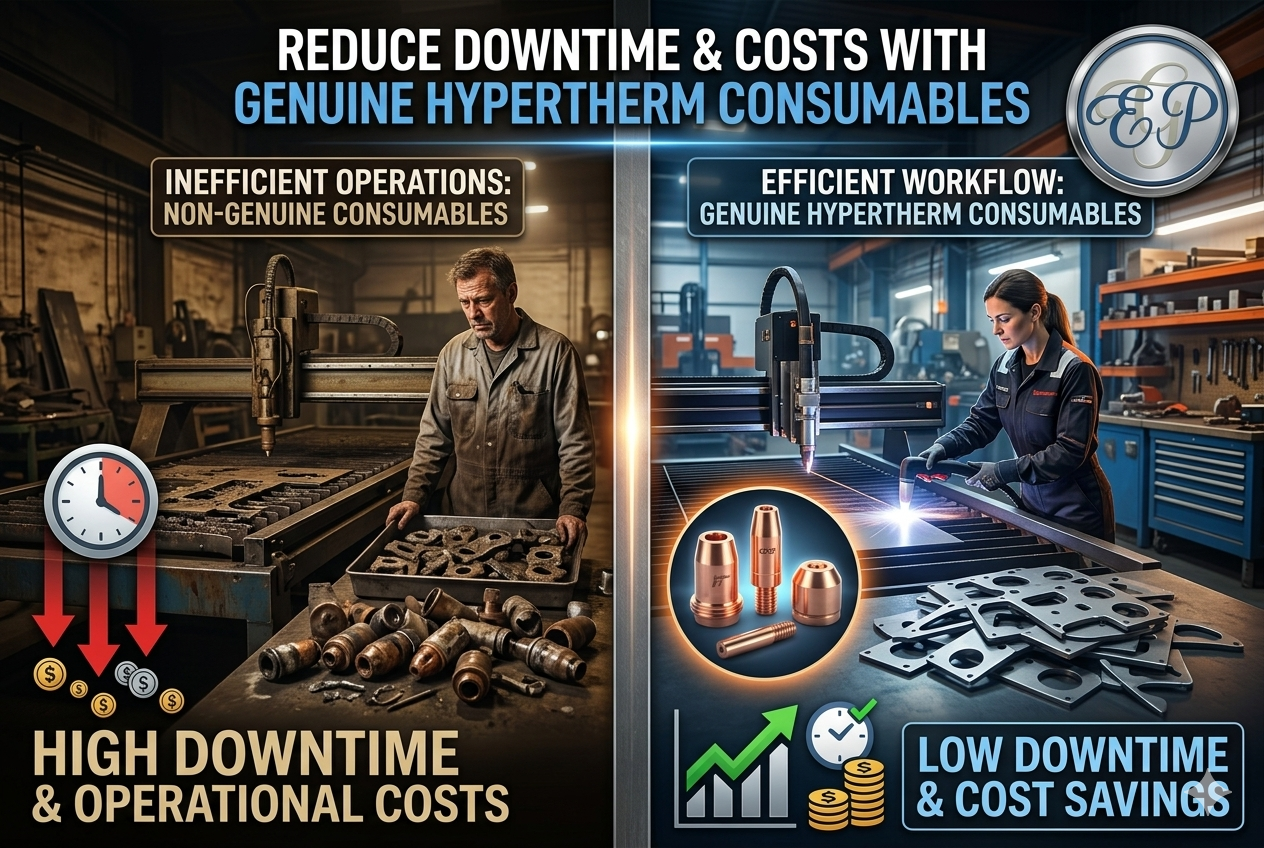
Reduce Downtime & Costs with Genuine Hypertherm Consumables
In the world of plasma cutting, downtime is more than just an inconvenience—it’s a direct hit to productivity and profits. Every minute your machine is idle, you’re losing time, money, and opportunities. At the same time, rising operational costs make it essential to optimize every aspect of your cutting process. One of the most effective yet often overlo

Efficient Security Camera Installation for Full Home Coverage
Keeping your property safe is a top priority for homeowners and business owners alike. Professional Camera Installation in Brighton CO provides advanced surveillance solutions to monitor and protect your property. Whether it’s for residential or commercial purposes, expert installation ensures your cameras work efficiently and provide clear, reliable footage.
Leave a Reply