

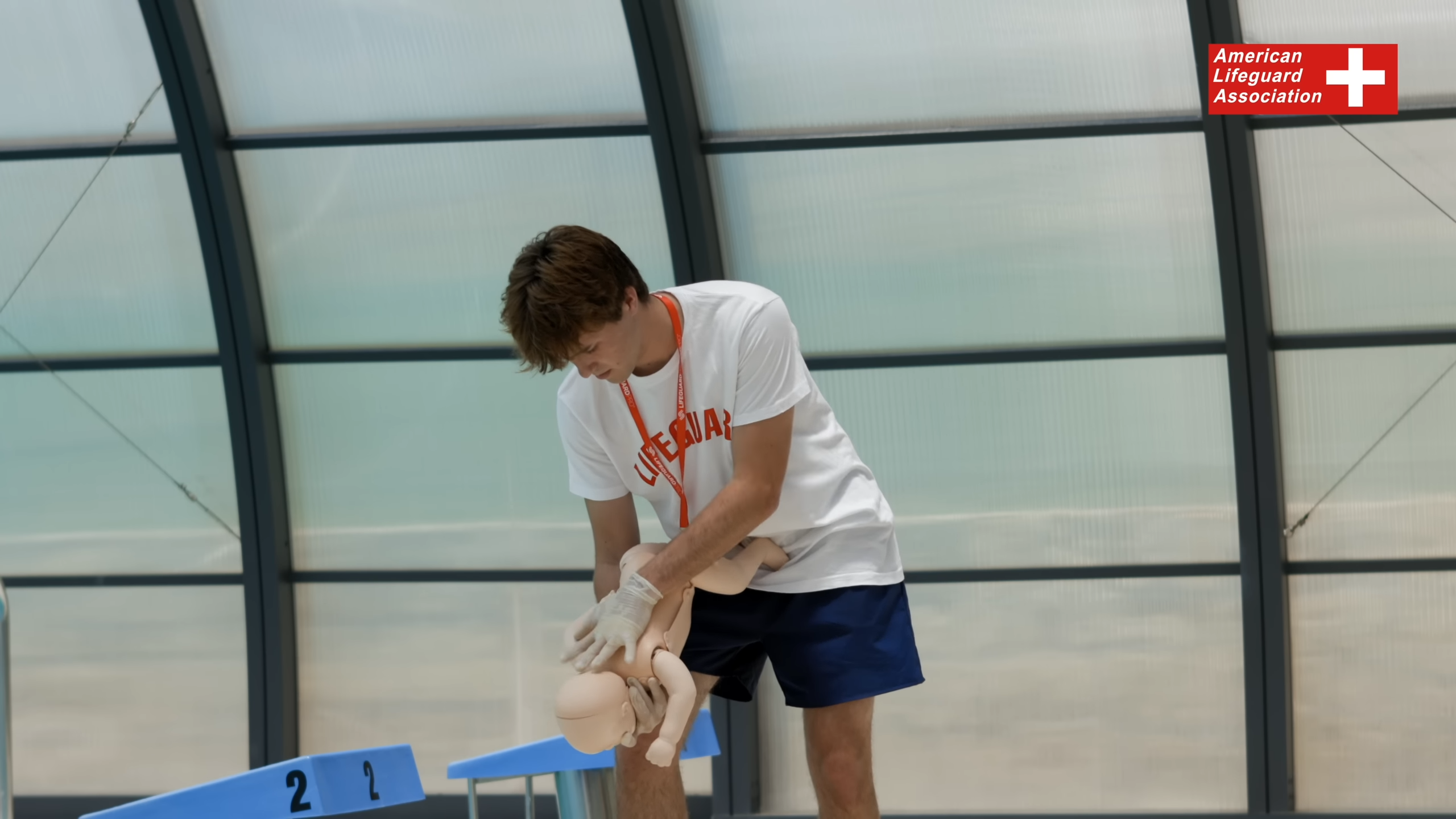
Complete Guide to Lifeguard Course in Idaho: Training, Certification & Career Path
A lifeguard course in Idaho is a powerful step for anyone who wants to gain real life‑saving skills and pursue employment in aquatic safety. While Idaho may be far from the ocean, the state’s lakes, rivers, community pools, water parks, and recreation centers still require trained professionals to protect swimmers, prevent emergencies, and ensure safe aquatic environments.
Each year, many people look for a lifeguard course in Idaho because it offers practical training, valuable certifications, and access to local job opportunities. Whether you’re a student seeking summer work, a parent wanting safety skills, or someone aiming for a long‑term career in safety or public service, this training provides a strong foundation.
A lifeguard’s role is much more than watching people swim. Lifeguards must stay alert, anticipate danger, respond quickly in emergencies, administer first aid, and communicate effectively with others at the scene. That is why completing a well‑structured lifeguard course in Idaho is essential for success and confidence.
Summary
A lifeguard course in Idaho is a formal training program designed to prepare individuals to manage aquatic emergencies efficiently and confidently. This course combines theoretical knowledge with practical, hands‑on training to ensure participants are ready for real‑world situations in pools, lakes, and water parks. Participants learn essential skills such as:
- Water rescue techniques
- CPR (Cardiopulmonary Resuscitation)
- First aid and injury assessment
- Emergency response procedures
- Surveillance and accident prevention strategies
During the course, you’ll engage in both classroom learning and in‑water practice sessions. Instructors walk you through rescue techniques, emergency drills, safety protocols, and situational judgment exercises that help equip you with a complete skill set.
Most lifeguard courses involve 20–30 hours of combined instruction and training. Successful participants must pass written exams and practical skill assessments in order to be certified. Once completed, you receive certification in lifeguarding, CPR/AED, and First Aid, typically valid for two years before recertification is required.
Completing a lifeguard course in Idaho isn’t merely about certification , it’s about gaining confidence, readiness, professionalism, and the ability to make a meaningful impact by protecting lives.
Why Lifeguard Courses in Idaho Are Important
Lifeguard courses in Idaho are vital because water safety is critical in a state filled with lakes, rivers, and recreational swimming spots. Even though Idaho is landlocked, it has numerous water bodies where people swim, fish, boat, and relax every season.
1. Water Safety Is a Community Priority
From Lucky Peak Reservoir to Payette Lake and local city pools, there is a constant need for trained lifeguards to ensure that aquatic areas are safe for everyone. Lifeguard training equips you with skills that protect not only swimmers, but also families and children.
2. Skills That Prevent Emergencies
A key focus of a lifeguard course in Idaho is to prevent accidents before they occur. This includes learning how to surveil water, recognize risk patterns, and intervene early. Prevention is just as important as rescue skills , and rigorous training ensures you’re good at both.
3. Emergency Preparedness Saves Lives
When emergencies happen, lifeguards are often the first on scene. A lifeguard course teaches you how to respond immediately with confidence , whether it’s a drowning swimmer, a spinal injury, or a medical emergency. You’ll be trained in CPR, AED use, rescue breathing, and first aid.
4. Career Opportunities in Aquatic Facilities
Completing a lifeguard course in Idaho increases your employability. Recreational centers, municipal pools, private clubs, camps, and water parks all seek certified lifeguards to fill part‑time, seasonal, or full‑time positions. Having certification often makes you more attractive to employers.
5. Valuable Beyond Aquatic Settings
The skills you acquire , quick thinking, first aid knowledge, teamwork, communication , are valuable in many careers and daily life situations. Lifeguard training builds confidence and leadership skills that extend beyond water safety.
What to Expect in a Lifeguard Course in Idaho
A lifeguard course in Idaho typically blends classroom learning and hands‑on training to prepare you thoroughly.
Swimming Proficiency Test
Your first challenge will usually involve a swim assessment. This ensures you’re physically ready for rescue situations. Assessments often include:
- A timed distance swim
- Treading water without using hands
- Underwater retrieval of objects
- Short sprint swims
These tests confirm that you have the stamina and skill required for recovery and rescue.
Classroom Instruction
Classroom sessions cover key topics such as:
- Safety principles and accident prevention
- Legal responsibilities of lifeguards
- Communication and teamwork
- Understanding physiology of drowning
- Emergency drills and response planning
This portion builds the foundation for understanding why and how rescues are done.
CPR, First Aid & AED Training
You’ll learn how to:
- Perform effective CPR
- Use an AED — Automated External Defibrillator
- Treat cuts, burns, sprains, and shock
- Handle spinal injuries
These skills prepare you to help not only in water incidents but also in other medical emergencies.
Rescue Techniques and Water Practice
In the pool or water area, you’ll learn:
- Active rescues for struggling swimmers
- Passive victim rescue
- Use of rescue tubes, buoys, and backboards
- Safe removal of swimmers from water
- Managing tired or unresponsive victims
Repeated practice ensures your technique becomes reliable and second‑nature.
Emergency Scenario Drills
Instructors often create situations that simulate real emergencies so you can build confidence under pressure. These include:
- Multiple‑victim rescues
- Panicked swimmer response
- Low‑visibility drills
- Timed emergency responses
This builds real muscle memory and situational awareness.
Key Skills You Will Learn
1. Water Surveillance
Lifeguards must constantly monitor swimmers, read behavior patterns, and recognize early signs of distress.
2. Rescue Techniques
You’ll learn how to effectively approach and remove swimmers from water in distress without putting yourself at risk.
3. Medical Response
Training includes CPR, AED use, first aid for injuries, and care for unconscious victims.
4. Communication & Teamwork
Lifeguards often work with colleagues and emergency responders, so communication and teamwork are essential.
5. Risk Assessment
Training helps you evaluate water conditions, identify hazards, and make safe decisions.
Requirements for a Lifeguard Course in Idaho
To enroll in a lifeguard course in Idaho, you typically need to meet a set of prerequisites.
Minimum Age
Most lifeguard courses require participants to be at least 15 years old by the end of the course, particularly if certification is intended for employment.
Swimming Ability
Before the course or early in training, you’ll demonstrate swim skills such as:
- Continuous swimming distance
- Treading water
- Underwater retrieval
- Timed rescue simulations
These tests confirm you are physically capable of rescue duties.
Physical Fitness
Lifeguarding can be demanding, so physical stamina is essential. Many training providers recommend that participants be comfortable swimming and active in water.
Participation & Attendance
Participants must attend all required sessions, complete practical exercises, and pass both written and water skill examinations to earn certification.
Types of Lifeguard Courses in Idaho
Lifeguard courses vary depending on your focus and environment.
Pool‑Based Lifeguard Course
This is the most common entry‑level course, focused on surveillance and rescue in controlled, placid aquatic environments.
Open‑Water Friendly Courses
Some advanced summer programs include lake or open‑water safety components, preparing lifeguards for varying conditions.
Water Park & Specialty Courses
These include training for water parks or aquatic attractions that have slides, wave pools, and other features.
Advanced Skill & Leadership Courses
For those seeking advanced roles, leadership training teaches:
- Supervisory rescue leadership
- Training instruction methods
- Emergency coordination
These are ideal for lifeguards with experience who want to advance their careers.
Job Opportunities After Completing a Lifeguard Course in Idaho
Completing a lifeguard course in Idaho significantly improves your employment prospects.
Public Pools & Recreation Centers
Community centers, YMCAs, and city pools often hire lifeguards to supervise swimming programs and ensure safety.
Private Clubs & Resorts
Hotels, golf clubs, and private residences with aquatic facilities hire certified lifeguards to protect guests.
Water Parks & Aquatic Attractions
Lifeguards are critical staff at water parks and recreational water attractions, especially in summer.
Seasonal & Part‑Time Positions
Many lifeguard roles are seasonal, ideal for students or individuals seeking part‑time work.
Professional Growth & Beyond
Lifeguard training can be a stepping stone to careers in:
- Emergency medical services
- Fire rescue
- Safety coordination
- Aquatic program management
The leadership, communication, and emergency response skills you gain are valuable in many professions.
NAP Information
Contact Information for Lifeguard Course Providers
American Lifeguard Association
Address: 8300 Boone Blvd, 5th Floor, Vienna, VA 22182
Phone: 703‑761‑6750
Email: alalifeguard@aol.com
You can contact this organization to learn more about lifeguard courses in Idaho, schedules, registration details, and certification options.
Preparing for a Lifeguard Course in Idaho
Preparation helps ensure success and confidence during training.
Practice Swimming
Regular swimming builds stamina and comfort in water.
Build Physical Endurance
Strengthening exercises help with rescue demands and long training sessions.
Review CPR Basics
Familiarity with CPR techniques before the course puts you ahead.
Mental Readiness
Lifeguard training requires focus, discipline, and quick thinking.
Frequently Asked Questions About Lifeguard Courses in Idaho
How long does a lifeguard course take?
Most lifeguard courses range from 20 to 30 hours of instruction and practice.
What age do I need to be to enroll?
Most programs require participants to be at least 15 years old.
Do I need strong swimming skills?
Yes — swimming ability is a mandatory requirement.
Is certification required to work as a lifeguard?
Yes, employers typically require certification in lifeguarding, CPR, and first aid.
How long is certification valid?
Certification is usually valid for two years before recertification is needed.
Where can I work after certification?
Pools, lakeside recreation centers, water parks, wellness clubs, and community facilities throughout Idaho.
Conclusion: Start Your Lifeguarding Journey in Idaho
A lifeguard course in Idaho is more than just training , it is a life‑changing experience. You’ll learn vital life‑saving skills, build confidence in emergency response, and open the door to meaningful career opportunities.
Whether you plan to work as a professional lifeguard, want to improve your safety knowledge, or aspire to serve your community, completing a lifeguard course sets you up for success.
By earning your certification, you become someone capable of protecting lives, making quick decisions under pressure, and contributing to safer aquatic environments throughout Idaho.
Related Posts
Best Italy Student Visa Consultants in Dubai
Studying in Italy is a dream for many students. Italy is famous for its beautiful cities, rich history, and world class education system. From art and fashion to engineering and business, Italy offers many study options for international students. But applying for a student visa can feel confusing. That is why many students look for the best student visa consul
Bullhorn vs ConnectWise: Best 2026 Recruitment & IT Tools
In the modern business ecosystem, efficiency is driven by the quality of the software tools a company employs. Whether you are managing a global recruitment firm or an IT managed service provider (MSP), the choice of your central system can make or break your workflow. At Codatis, we specialize in reviewing high-performance tools that streamline operations. Tod

Modern Interior Door Trends in Canada: Combining Functionality with Shaker Solid Doors
In the evolving Canadian housing market, design and functionality go hand in hand. Homeowners today are not only focused on aesthetics but also on durability, energy efficiency and long term value. Among the most popular choices in modern homes are Interior Doors and Shaker Solid Doors, both known for their versatility and timeless appeal. This article explores
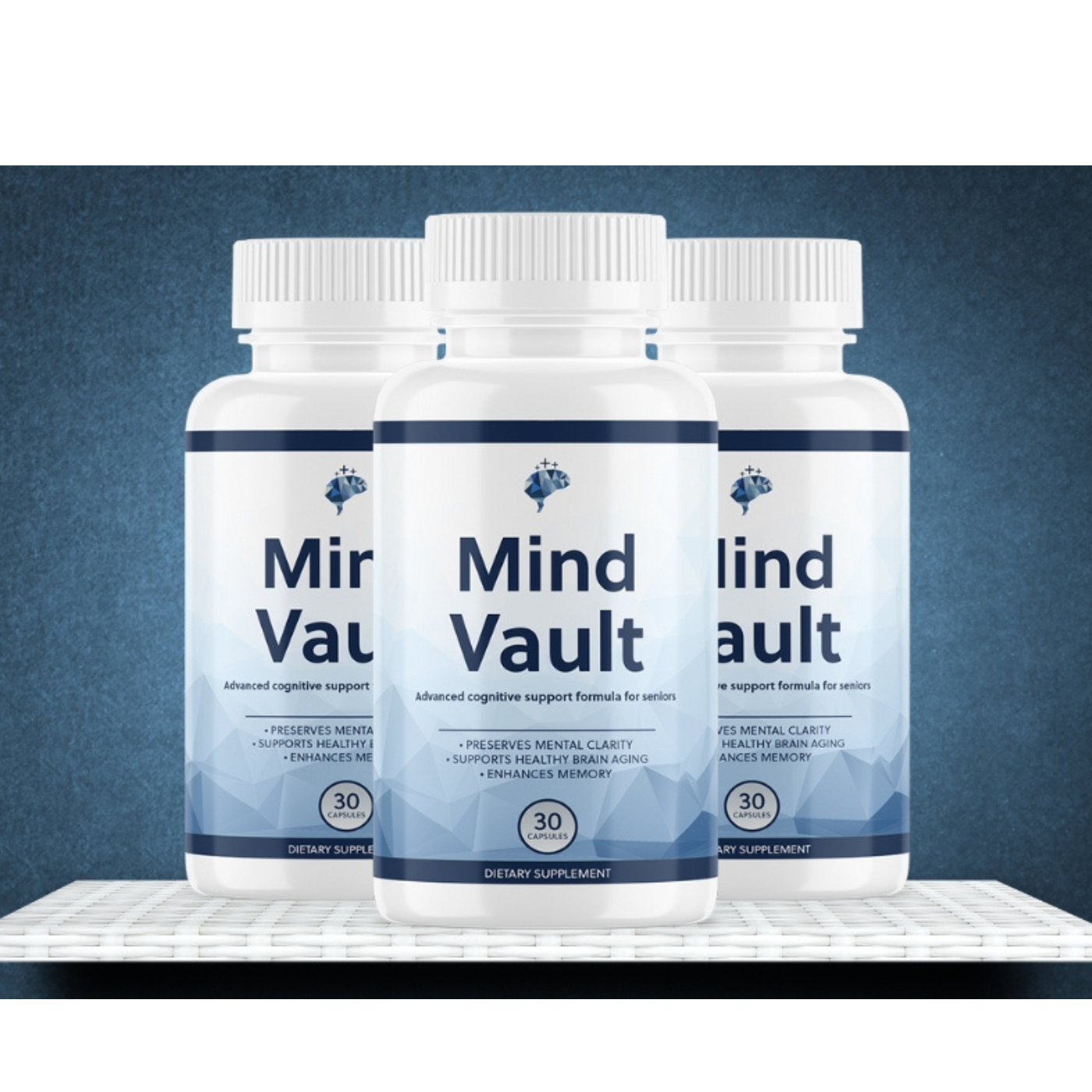
Mind Vault brain booster supplement with fast results.
In today’s fast-paced world, maintaining sharp focus, strong memory, and mental clarity is more important than ever. Whether you are a student, professional, or entrepreneur, your brain performance directly impacts your productivity and success. This is where Mind Vault Brain Booster Supplement comes into the picture—a natural solution designed to enhance c
Leave a Reply