


Behavioral Specialist vs. RBT: Understanding Career Paths in the Bay Area’s ABA Field
Two Roles, One Mission
The Bay Area’s growing demand for autism services has created strong career opportunities for professionals interested in Applied Behavior Analysis (ABA). Two of the most common entry points into the field are behavioral specialist and Registered Behavior Technician (RBT) positions. Both roles involve working directly with individuals with autism, but they differ in scope, certification requirements, and long-term career direction.
For anyone exploring behavioral specialist jobs Bay Area agencies and clinics, understanding how these two paths compare is an important first step.
What a Registered Behavior Technician Does
A registered behavior technician Bay Area clinics and homes works under the direct supervision of a Board Certified Behavior Analyst (BCBA). The role involves delivering one-to-one ABA therapy sessions based on an individualized plan designed by the supervising BCBA. Daily responsibilities include teaching communication and social skills, supporting daily living routines, managing challenging behaviors using evidence-based strategies, and collecting data during every session to track progress.
The RBT credential is issued by the Behavior Analyst Certification Board (BACB) and requires 40 hours of supervised training, a competency assessment, and passing a certification exam. A similar credential, the Applied Behavior Analysis Technician (ABAT), is offered through the Qualified Applied Behavior Analysis Credentialing Board (QABA) and follows a comparable training pathway.
What a Behavioral Specialist Does
A behavioral specialist may have a broader scope depending on the employer and setting. In some organizations, the role closely mirrors that of an RBT. In others, behavioral specialists take on additional responsibilities such as contributing to assessment processes, supporting behavior intervention plans, coordinating with school teams, and providing caregiver coaching under BCBA supervision.
The title is used across ABA agencies, school districts, and community-based organizations, and specific expectations can vary. Some behavioral specialist jobs in the Bay Area require an RBT or ABAT credential, while others accept candidates with relevant experience and provide on-the-job training leading to certification.
Training and Certification Differences
The RBT path has a clearly defined certification process. Candidates must complete 40 hours of training, demonstrate competency, and pass a standardized exam. Once certified, RBTs must maintain their credentials through ongoing supervision and annual renewal.
Behavioral specialist roles may or may not require formal certification at the time of hire. However, most reputable ABA providers in the Bay Area strongly encourage or require their specialists to obtain RBT or ABAT credentials within a set timeframe. Employers that provide paid training and cover exam costs make this transition more accessible for candidates entering the field.
Where Each Role Works
A registered behavior technician in Bay Area settings may work in private homes, clinics, schools, or community environments. Schedules often include afternoon and evening hours, and flexibility is common. Behavioral specialists work in many of the same settings, though those employed by school districts may follow an academic calendar with more predictable hours.
Both roles involve direct, hands-on interaction with individuals with autism. The environment and team structure may differ, but the core mission of supporting skill development and meaningful progress remains the same across settings.
Career Growth from Either Path
Both roles can serve as a foundation for long-term career growth in ABA. Many professionals start as RBTs or behavioral specialists and go on to pursue a master’s degree and BCBA certification, which opens doors to supervisory and clinical leadership positions. Others move into program coordination, training, or quality assurance roles within their organizations.
The Bay Area’s concentration of ABA providers, universities, and research institutions creates a strong environment for professional development. Supervision hours are often built into the workday, and many employers support staff pursuing advanced credentials through tuition assistance or flexible scheduling.
Choosing the Right Path
The best path depends on individual goals, preferred work settings, and how quickly someone wants to begin working with families. The RBT route offers a structured, nationally recognized credential from day one. The behavioral specialist route may offer more flexibility in how and when certification is obtained, depending on the employer.
In both cases, the quality of the employer matters significantly. Look for organizations that invest in training, provide consistent BCBA supervision, and demonstrate a genuine commitment to evidence-based, person-first care. A strong employer does not just fill positions. A strong employer builds professionals.
Related Posts

ISO 45001 Training for Construction Worker Safety
You know what’s ironic? On construction sites, we all wear helmets, gloves, and steel-toed boots, yet somehow safety protocols still feel like extra paperwork. However, if you take a closer look, ISO 45001 training isn’t just a certificate on the wall—it’s a mindset, a practical guide to keeping yourself and your crew safe while keeping the site running

Used Car for Sale in Lahore – Smart Buyer’s Guide (2026)
Finding the perfect used car for sale in Lahore doesn’t have to be stressful. With the right approach, proper research, and trusted platforms, you can make a confident purchase. Lahore offers a wide variety of vehicles for every type of buyer—from budget-friendly options to premium cars. The key is to stay informed, inspect carefully, and avoid common mista

Boiler Repair Service in London – Reliable Heating Solutions for Every Home
When your boiler breaks down, it can disrupt your daily routine—especially during the colder months in London. A properly functioning boiler is essential for heating and hot water, making timely repairs a priority for homeowners and businesses alike. This guide explores everything you need to know about boiler repair services in London, including common issue
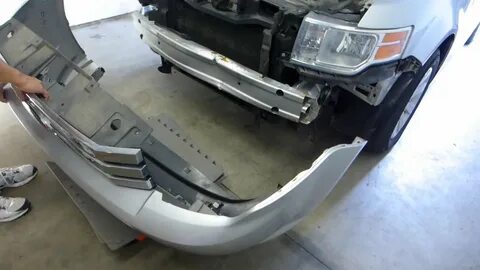
Bumper Repair Bradford & Car Paint Service – Premium Vehicle Care by AB AUTOS
Keeping your car in excellent condition is not just about performance—it’s also about appearance, safety, and long-term value. Whether you’ve experienced a minor scrape in a tight parking space or your car’s paint has started to fade due to harsh weather, professional bumper repair Bradford and car paint service solutions are essential. At AB AUTOS, we
Leave a Reply