

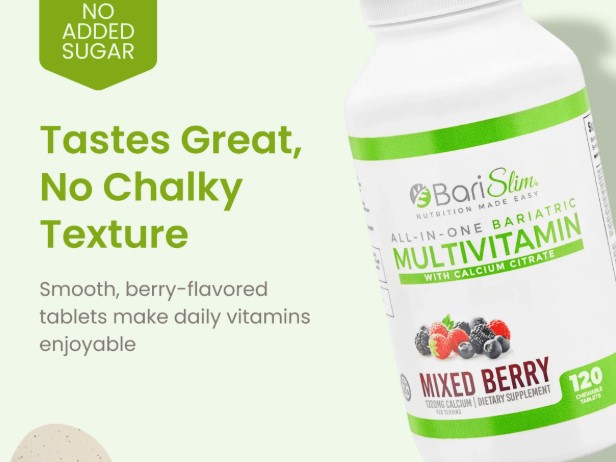
Bariatric Multivitamin For Complete Daily Nutritional Support
Weight loss surgery brings life-changing benefits, but it also fundamentally alters how the body absorbs nutrients. The stomach’s reduced capacity and changes to the digestive tract mean that getting adequate vitamins and minerals from food alone becomes extremely difficult. A quality bariatric multivitamin is not optional after surgery — it is a cornerstone of post-operative care. Nutritional deficiencies following bariatric procedures can develop quietly and cause serious health consequences if left unaddressed. Daily supplementation tailored specifically to post-surgical needs helps patients maintain energy, support organ function, and protect long-term wellbeing throughout their recovery and beyond.
Why Do Standard Multivitamins Fall Short?
Many patients make the mistake of reaching for a standard over-the-counter multivitamin after surgery, assuming it will cover their nutritional bases. Unfortunately, regular formulations are not designed with post-bariatric physiology in mind. They often contain nutrient levels that are too low, forms that are poorly absorbed, or delivery formats that are difficult for post-surgical stomachs to handle.
A bariatric multivitamin is specifically formulated to address the elevated nutrient demands that follow procedures like gastric bypass, sleeve gastrectomy, and adjustable gastric banding. These formulations typically contain higher doses of iron, vitamin B12, folate, vitamin D, and zinc — nutrients that are commonly depleted after surgery due to reduced stomach acid production and bypassed absorption sites in the small intestine. Using a supplement designed for this specific physiological context makes a measurable difference in patient outcomes.
Key Nutrients in a Post-Surgical Formula
Understanding what a bariatric-specific formula should contain helps patients make informed choices about their supplementation. Iron is among the most critical nutrients to monitor after surgery, particularly for menstruating women, as deficiency can lead to anemia, fatigue, and impaired immune function. Vitamin B12 is another priority because the intrinsic factor required for its absorption is produced in the stomach, which is significantly reduced or bypassed during surgery.
Vitamin D and its relationship with calcium absorption are equally important. Without adequate vitamin D, the body cannot properly absorb calcium, leading to bone density loss over time. Folate, thiamine, and the full spectrum of B vitamins also feature prominently in well-designed bariatric formulas because they support neurological health, energy metabolism, and red blood cell production. A comprehensive bariatric multivitamin brings all of these elements together in doses and forms calibrated for post-surgical absorption capacity.
Choosing the Right Format for Your Needs
Post-bariatric patients often find that swallowing large tablets is uncomfortable or impractical, especially in the early months following surgery. This has driven significant development in alternative supplement formats, including chewables, soft chews, capsules, and liquid concentrates. Each format has its advantages depending on the individual’s tolerance, stage of recovery, and personal preference. Chewable formats are widely recommended in the early post-operative period because they bypass the need for stomach acid to break down a hard tablet before absorption can begin. Liquid formulas offer similar advantages and can be easier to incorporate into a daily routine.
Building a Sustainable Supplement Routine
Long-term success after bariatric surgery depends as much on nutritional discipline as it does on dietary changes. Establishing a daily supplement routine early in the recovery process helps make it a sustainable habit rather than an afterthought. Patients who work closely with their bariatric care team to identify the right products and monitor blood nutrient levels regularly are far better positioned to avoid the complications that come with deficiency.
Conclusion
Nutritional support after weight loss surgery requires a committed, informed approach. Pairing a daily bariatric calcium chews regimen with a high-quality bariatric multivitamin ensures that both bone health and broader micronutrient needs are addressed in a format the post-surgical body can actually absorb and use. Long-term health after bariatric surgery is built one day at a time, and the right supplementation routine is central to that journey.
Related Posts

Best Startup Growth Consultant for Perth Business
Introduction If you are a founder based in Perth trying to scale your business with genuine clarity, you have probably realised that grit alone only gets you so far. Moving from a great idea to a scalable, revenue generating machine requires more than just long hours. It requires a shift from guesswork to a structured, data-driven approach. This is where a star

Why Hiring an SEO VA Is Essential for Online Growth
Businesses that fail to optimize their online presence often struggle to attract traffic, generate leads, and grow consistently. This is where hiring an SEO VA (SEO Virtual Assistant) becomes a powerful solution. An SEO VA is a skilled professional who handles search engine optimization tasks remotely. From keyword research to on-page optimization and backlink

Affordable Website Design: The Strategic Guide to Building a Premium Brand on a Budget
In the hyper-competitive digital economy of 2026, a website is no longer a luxury—it is your 24/7 digital storefront, your most persistent salesperson, and the foundation of your brand’s credibility. However, for many small business owners and startups, the phrase “professional web design” often conjures images of five-figure invoices and en

Makkah to Jeddah Airport and Reliable Jeddah Transportation Services
Traveling between Makkah and Jeddah Airport is an essential part of any pilgrimage or visit to Saudi Arabia. Whether you are completing Umrah, Hajj, or other spiritual trips, efficient Jeddah transportation ensures a smooth, stress-free journey. For many pilgrims and travelers, professional taxi services like Umrah Taxi provide the perfect solution for comfort,
Leave a Reply