

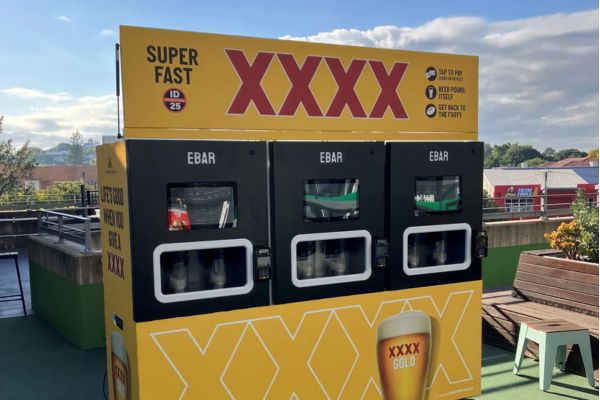
The Future of Happy Hour The Rise of the Beer Can Vending Machine
There’s something quietly revolutionary happening in the way Australians are enjoying a cold one. Across pubs, bottle shops, sporting venues, entertainment precincts, and even beachside holiday parks, a new kind of retail experience is reshaping how punters get their hands on a tinnie. The beer can vending machine, once the stuff of novelty trade shows and airport curiosity, has grown into a genuinely sophisticated piece of consumer technology, and it’s carving out a permanent spot in the Australian leisure landscape. Whether you’re at a late-night music festival in Melbourne, a caravan park in Broome, or a self-contained hotel in Brisbane, chances are you’ve already clapped eyes on one of these sleek, humming units and thought: yeah, that actually makes a lot of sense.
A Thirst for Convenience: Why the Timing Is Right
Australians have always had a healthy relationship with convenience. We pioneered the drive-through bottle shop, embraced self-checkout at the supermarket, and took to food delivery apps with an almost suspicious enthusiasm. So it’s no great shock that automated beverage dispensing is having its moment Down Under.
What is surprising is just how long it took to get here.
For decades, vending machines in Australia were largely confined to confectionery, soft drinks, and instant coffee that tasted mildly of cardboard. The idea of a machine confidently handing you a cold craft lager at 11 o’clock on a Saturday night felt vaguely futuristic, the kind of thing you’d see in a Japanese convenience store documentary and assume could never work here because of licensing laws, because of culture, because of something.
But the regulatory landscape has shifted, technology has caught up with ambition, and consumer expectations have moved decisively in favour of frictionless experiences. The result is a quiet but meaningful transformation in how alcohol is retailed in this country.
How the Technology Actually Works
Age Verification: Smarter Than You’d Think
The single biggest concern anyone raises about automated alcohol dispensing is age verification, and it’s a fair one. Australia takes its responsible service of alcohol obligations seriously, and any machine operating in this space has to as well.
Modern units have risen to that challenge in ways that are genuinely impressive. Most employ a combination of ID scanning technology, facial recognition cross-referencing, and in some deployments, QR-code-linked account verification tied to a pre-verified digital wallet or hotel room booking. Some venues still require an initial check at a staffed kiosk before issuing a machine-access credential, which essentially turns the vending unit into a self-service extension of a supervised bar rather than a standalone operation.
It’s not a perfect system (no system involving alcohol ever truly is), but it’s considerably more rigorous than handing a twenty-dollar note to a bloke at a bottle shop counter who may or may not give your ID a proper squiz.
Temperature, Selection, and Presentation
Beyond compliance, the machines themselves have become genuinely good at what they do. Refrigeration units maintain consistent temperatures, typically between two and four degrees Celsius, which any serious beer drinker will tell you is not a trivial consideration. Nothing ruins a night faster than a warm can of something you were genuinely looking forward to.
Selection has expanded well beyond the major domestics. You’ll now find curated craft ranges, imported lagers, hard seltzers, ciders, and even the occasional RTD cocktail sitting alongside the old stalwarts. Some operators work directly with local breweries to rotate seasonal offerings, which gives the machines a surprisingly boutique feel that you wouldn’t necessarily expect from a vending unit.
The interface design has also matured considerably. Touchscreens are bright and intuitive, product photography is high quality, and tasting notes or style descriptors are often included as well, small touches that signal these machines are aimed at considered consumers, not just thirsty ones.
Where You’ll Find Them: The Australian Deployment Landscape
Hotels and Accommodation
This is arguably where the format has found its most natural home. Premium hotels, serviced apartments, and boutique accommodation providers have embraced the technology as a way of providing twenty-four-hour room service without the twenty-four-hour staffing bill.
Guests who check in after the bar has closed, or who simply want a drink without picking up the phone, can wander downstairs in their slippers and sort themselves out in under a minute. For operators, it’s a revenue stream that doesn’t require overtime rosters or staff scheduling headaches. The numbers, by most accounts, stack up very cleanly.
Entertainment and Events
Festivals, concerts, sporting venues, and entertainment precincts are another obvious growth area. When you’ve got ten thousand people all wanting a drink in the same twenty-minute window between sets, traditional bar service creates bottlenecks that frustrate everyone involved. Distributed vending units can dramatically reduce queue times and capture sales that might otherwise be lost to impatience.
Some event organisers have been pretty clever about placement too, positioning units in areas where foot traffic is high but fixed bar infrastructure would be impractical: near merchandise stands, at entry points, along walking paths between stages.
Regional and Remote Locations
Perhaps the most compelling use case is also the least glamorous. Think regional towns, roadside stops, and remote accommodation where conventional retail infrastructure simply doesn’t exist or isn’t economically viable. A reliable modern vending machine operating in a location where the nearest bottle shop is an hour’s drive away isn’t just convenient; it’s a genuinely useful piece of community infrastructure. Operators in regional Queensland and Western Australia have been particularly active in this space, and the feedback from communities has, by most accounts, been strongly positive.
The Craft Beer Opportunity
One of the more interesting developments in this space is the growing relationship between independent craft breweries and vending machine operators. For small producers, retail shelf space has always been fiercely competitive and difficult to secure. Major chains want volume commitments that emerging brewers can’t reliably meet, and independent bottle shops, while supportive in spirit, have limited square footage.
Vending machines offer a different kind of access. A single unit in a well-trafficked location can serve as a low-overhead retail touchpoint that allows a brewery to reach new customers, test new products, and gather real purchase data without the complexity of a full retail distribution agreement. Some breweries have gone further, installing branded units at their cellar doors or in partner venues, creating what amounts to a hybrid tasting-room-and-retail experience.
It’s an arrangement that suits both parties well, and it’s accelerating adoption right across the industry.
Challenges, Criticisms, and the Responsible Service Question
It would be dishonest to present this technology as entirely without controversy, and the critics deserve a fair hearing.
The Social Responsibility Debate
Some public health advocates have raised genuine concerns about the removal of human interaction from alcohol sales. The argument runs something like this: a well-trained bar staffer can make a judgement call about whether someone has had enough, can refuse service to someone who appears affected, and can exercise the kind of contextual discretion that no machine, however sophisticated, can fully replicate.
It’s a legitimate point, and the industry largely acknowledges it. The better operators are careful about placement, restrict operating hours in some venues, implement hard purchase limits per transaction, and design their verification systems to flag unusual purchasing patterns.
Whether that’s sufficient is a question that’s still being worked out between operators, regulators, and the broader community. It’s a conversation worth having honestly, rather than brushing aside.
Licensing and Regulatory Patchwork
Australia’s alcohol licensing framework is administered at the state and territory level, which means the regulatory environment for vending machines varies considerably depending on where you are. What’s permissible in Victoria may require additional approvals in Queensland, and the situation in South Australia is different again.
This patchwork creates compliance headaches for operators looking to scale nationally, and it’s one of the reasons rollout has proceeded more slowly than some in the industry might have hoped. There are early signs that regulators are beginning to develop more consistent frameworks, driven in part by industry lobbying and in part by the simple reality that the machines are already out there and operating. Meaningful harmonisation, though, is probably still a few years off.
Looking Ahead: What the Next Decade Might Bring
Integration with Digital Ecosystems
The machines of tomorrow are almost certainly going to be more deeply integrated with the broader digital ecosystems that Australians already use. Loyalty programmes, digital wallets, hotel apps, and event ticketing platforms will all likely connect to vending infrastructure in ways that make the experience feel seamless and personalised rather than transactional.
Imagine checking into a hotel, having your age and preferences verified once at reception, and then having a machine on your floor recognise you automatically and surface your usual order with a single tap. That’s not science fiction; the component technologies all exist already. It’s primarily a question of integration effort and commercial motivation.
Sustainability and Packaging Innovation
The environmental question is one the industry will need to address proactively. Cans are, in many respects, already the more sustainable packaging format compared to glass, being lighter, more recyclable, and less energy-intensive to transport, but the machines themselves consume electricity and generate a certain amount of hardware waste over their operating lifespan.
Some operators are already exploring solar-supplemented power options for regional deployments, and there’s growing interest in machines that incorporate built-in can crushing and recycling to close the loop at the point of sale.
New Categories and Crossover Products
As the format matures, expect to see the product mix evolve. Non-alcoholic craft beers, premium sparkling waters, kombuchas, and functional beverages will likely share cabinet space with traditional offerings, appealing to a broader range of consumers and giving operators more flexibility around licensing and placement.
A Cold One, Reimagined
There’s something pleasingly Australian about the idea of cutting out unnecessary complexity and just getting to the good bit. No muss, no fuss: put in your payment, grab your cold can, and get on with the evening.
The beer can vending machine, at its best, delivers exactly that. It’s a clean, capable, unpretentious experience that respects the customer’s time and intelligence. It’s not trying to replace the pub, and it shouldn’t be. The pub occupies a social and cultural role in Australian life that no machine could or should attempt to fill.
But for those moments when you want a cold drink quickly, conveniently, and without the theatre? It turns out a well-designed vending unit is an entirely satisfying answer. And judging by the pace at which they’re appearing around the country, a lot of Australians are quietly coming to the same conclusion.
Cheers to that.
Related Posts
Share Your Brand Story With Custom Subscription Boxes
Custom subscription boxes are an active solution for brands that aim to make memorable experiences and convey their story to customers in a direct manner. In addition to product delivery, the boxes can act as a physical continuation of your brand, a sort of customized, personal experience in which the user will have a memorable experience with each unboxing.&nb

Ways to Support Poor Families Through Eid Meat Contributions
Eid is a time of joy, gratitude, and togetherness. It is also a time to remember those who are less fortunate. Many families struggle daily to afford basic meals, and Eid gives us a chance to support them in a meaningful way. Sharing meat through Qurbani is not just a tradition; it is an act of kindness that brings real change to people’s lives. Through qurba

Choosing the Right Wendell NC Real Estate Agents for a Successful Property Journey
Selecting experienced Wendell NC real estate agents is one of the most important decisions when buying or selling property in a growing market. With increasing demand and evolving opportunities in Wendell, having knowledgeable professionals by your side ensures that every step of your real estate journey is handled with confidence and precision. At Driver Realt

Private Concierge London: Everything You Need to Know in 2026
Are you thinking about hiring a luxury concierge service in London? You are not alone. More people than ever are turning to private concierge services to manage their busy lives. In 2026, the demand for elite lifestyle management in London has never been higher. This article will tell you everything you need to know. We will cover what a private concierge does,
Leave a Reply