

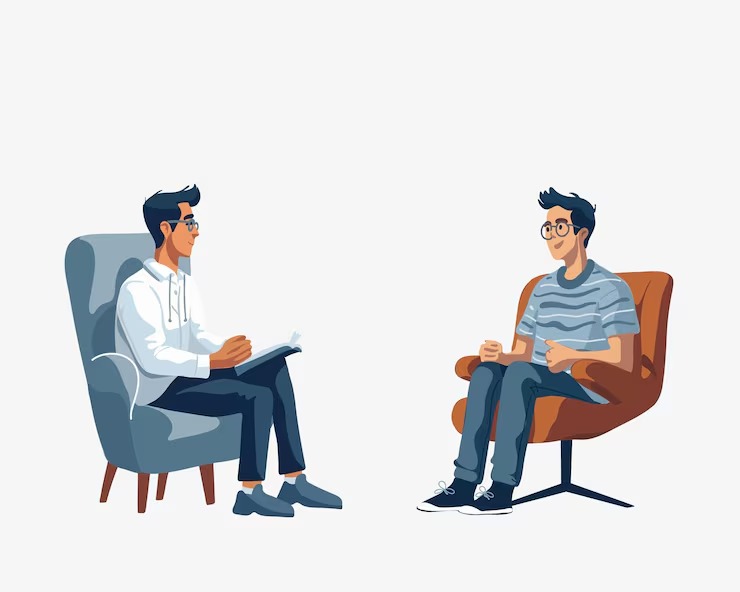
How Effective Is Exposure Therapy in Grass Valley?
When anxiety begins to limit your daily life, it can feel like you’re constantly working around fear instead of living freely. Whether it’s avoiding certain places, situations, or thoughts, that cycle can become exhausting. Exposure therapy offers a practical, research-backed way to break that pattern—and if you’re considering it in Grass Valley, you may be wondering just how effective it really is.
This guide helps you understand what exposure therapy involves, how it works, and what kind of results you can realistically expect so you can make an informed decision about your mental health.
What Is Exposure Therapy and How Does It Work?
Exposure therapy is a structured psychological treatment designed to help you face fears gradually instead of avoiding them. The core idea is simple: avoidance keeps anxiety alive, while safe, controlled exposure reduces it over time.
You work with a trained therapist to identify triggers and build a step-by-step plan. This plan, often called a “fear hierarchy,” starts with less intimidating situations and gradually moves toward more challenging ones.
For example, if social anxiety affects you, your process might look like this:
- Making eye contact with strangers
- Saying hello to someone in a store
- Having a short conversation
- Attending a small gathering
Each step helps your brain relearn that the feared situation is not as dangerous as it feels.
Why Exposure Therapy Is Considered Highly Effective
Exposure therapy has consistently shown strong results for anxiety-related conditions, including:
- Generalized anxiety disorder
- Social anxiety disorder
- Panic disorder
- Phobias
- Obsessive-compulsive disorder (OCD)
- Post-traumatic stress disorder (PTSD)
The effectiveness comes from how it targets the root of anxiety rather than just managing symptoms. Instead of teaching you to avoid discomfort, it helps you build tolerance and resilience.
Over time, your brain reduces its fear response—a process known as “habituation.” You stop reacting with the same intensity because repeated exposure proves the situation is manageable.
What Makes Exposure Therapy Effective in Grass Valley?
If you’re seeking Anxiety Treatment Grass Valley, exposure therapy is often integrated into personalized care plans. Its effectiveness here, as in other locations, depends on several key factors:
1. Personalized Treatment Plans
You’re not placed into a one-size-fits-all program. Your therapist tailors exposure exercises based on your specific fears, history, and comfort level.
2. Safe and Supportive Environment
You’re never forced into overwhelming situations. Therapy progresses at a pace that challenges you without pushing you beyond your limits.
3. Consistency and Practice
The more consistently you engage with the process—both in sessions and real life—the more effective the results become.
4. Skilled Guidance
Working with experienced professionals ensures that exposure is done correctly, reducing the risk of setbacks.
What Results Can You Expect?
Exposure therapy doesn’t eliminate anxiety entirely—because some level of anxiety is natural and useful. What it does is change your relationship with it.
Here’s what you may notice over time:
- Reduced fear intensity in triggering situations
- Increased confidence in handling discomfort
- Less avoidance behavior
- Improved daily functioning
- Greater emotional control
Most people begin noticing improvements within a few weeks, though lasting change typically develops over several months.
Common Misconceptions About Exposure Therapy
Before starting, it’s helpful to clear up a few myths that may be holding you back.
“It will force me to face my worst fear immediately.”
In reality, exposure therapy is gradual. You start small and build up over time.
“It will make my anxiety worse.”
You may feel temporary discomfort, but this is part of the healing process. With proper guidance, anxiety decreases long-term.
“It only works for severe cases.”
Exposure therapy is effective for both mild and severe anxiety conditions.
Types of Exposure Therapy You May Experience
Depending on your needs, your therapist may use different approaches:
In Vivo Exposure
Facing fears in real-life situations (e.g., going to a crowded place).
Imaginal Exposure
Visualizing feared scenarios when real-life exposure isn’t possible.
Interoceptive Exposure
Focusing on physical sensations (like a racing heart) to reduce fear of bodily symptoms.
Virtual Reality Exposure
Using technology to simulate environments in a controlled setting.
Each method is chosen based on what works best for your specific situation.
How to Prepare for Exposure Therapy
Starting something new can feel intimidating, but preparation makes a big difference.
- Be honest about your fears and expectations
- Commit to attending sessions regularly
- Practice exercises outside therapy sessions
- Track your progress, even small wins
- Stay patient with yourself
Growth happens step by step, not overnight.
Challenges You Might Face (And How to Handle Them)
Exposure therapy is effective, but it’s not always easy. You may encounter:
Temporary discomfort
Facing fears can feel intense at first. Remind yourself that discomfort is part of progress.
Resistance to practice
It’s natural to avoid what feels uncomfortable. Consistency is key to success.
Slow progress
Some fears take longer to overcome. Focus on gradual improvement rather than perfection.
Working closely with your therapist helps you navigate these challenges effectively.
Why Professional Guidance Matters
While self-help exposure techniques exist, professional support significantly improves outcomes. A therapist ensures:
- Proper pacing of exposure steps
- Emotional support during difficult moments
- Adjustments when something isn’t working
- Accountability and motivation
If you’re serious about overcoming anxiety, working with a qualified provider makes a noticeable difference.
Taking the First Step Toward Change
If anxiety is limiting your life, waiting rarely makes it better. The sooner you start addressing it, the sooner you can regain control.
Exploring Anxiety Treatment Grass Valley options can help you find the right approach tailored to your needs. Whether your anxiety is mild or deeply rooted, exposure therapy offers a structured path forward.
If you’re ready to take action, consider reaching out through the Contact Us page to learn more about available services and next steps.
Working with experienced professionals at the Center for Transformational Therapy can provide the guidance and support you need to move forward with confidence.
Final Thoughts
Exposure therapy is one of the most effective treatments for anxiety because it addresses the problem at its core—avoidance. By gradually facing what you fear in a safe, structured way, you retrain your brain to respond differently.
You won’t just reduce anxiety—you’ll build resilience, confidence, and a stronger sense of control over your life.
If you’re willing to take that first step, the results can be transformative.
FAQs
1. How long does exposure therapy take to work?
Most people see initial improvements within a few weeks, but lasting results typically develop over several months with consistent practice.
2. Is exposure therapy safe for everyone?
Yes, when guided by a trained therapist. The process is carefully controlled to match your comfort level and mental health needs.
3. Can exposure therapy cure anxiety completely?
It doesn’t eliminate anxiety entirely but significantly reduces its intensity and impact, helping you manage it effectively.
4. What if I feel overwhelmed during therapy?
Your therapist will adjust the pace and techniques to ensure you stay within a manageable comfort zone.
5. Do I have to face my biggest fear right away?
No, exposure therapy is gradual. You start with smaller steps and build confidence before tackling more challenging situations.
Related Posts

Custom Closets Near Me for Smart Home Storage
If you’ve ever searched for Custom Closets near me, you’re likely looking for a smarter way to organize your home. Whether your bedroom closet feels cramped or your walk-in wardrobe lacks structure, a custom-designed solution can completely change how you use your space. Unlike basic, pre-built storage systems, custom closets are tailored to your lifestyle,

Best Affordable Homes for Sale for Value-Conscious Buyers
Buying a home is one of the most significant investments anyone can make. For those looking for cost-effective options, affordable houses for sale in Duluth GA provide excellent opportunities to own a home without stretching your budget. Whether you are a first-time buyer or searching for an investment property, these homes offer value, comfort, and potential g

How Stucco Work Protects Your Home Beyond Just Appearance
Many homeowners view the exterior of their residence as a simple aesthetic choice, much like selecting a paint color or a style of shutter. However, the true utility of high-quality stucco work lies in its ability to function as a sophisticated drainage system. When applied correctly, stucco acts as the primary defense in a complex building envelope strategy. I
Benefits of Free Job Posting for Employers in 2026
In 2026, hiring the right talent has become more important than ever for businesses of all sizes. Employers are constantly looking for cost-effective and efficient ways to reach qualified candidates. One of the most effective strategies is using free job posting platforms. These platforms allow companies to advertise job openings without spending large amounts
Leave a Reply