

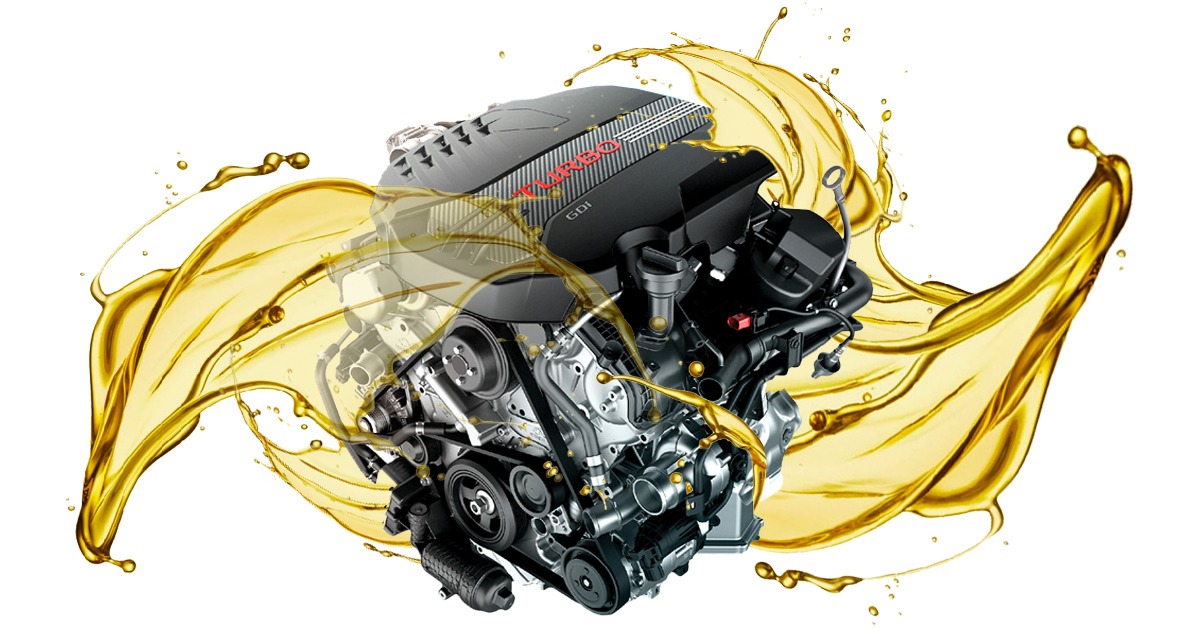
How Premium Quality Diesel Engine Oil Contributes to Smooth Engine Operation
As an internal combustion engine, diesel engines run numerous diverse applications. Diesel engines are compression ignition engines, unlike gasoline engines, which burn fuel via a spark. Instead, they burn fuel using high pressure. Diesel engines run under tremendous temperature and pressure and are renowned for their power and efficiency.
From an off-road vehicle negotiating desert terrain to a heavy-duty truck transporting cargo across the UAE, the value of top-quality diesel engine oil cannot be overstated. This blog explores how premium diesel engine oil guarantees flawless driving experiences over various situations, increases engine performance, and extends operational life.
Importance of Using the Best Diesel Engine Oil for Optimal Performance
Like the blood of your car’s engine, oil ensures every part moves without problems. The best diesel engine oil depends on maintaining good engine performance and lifetime. The one the manufacturer advises is the best oil since it exactly meets the requirements of your engine.
Engine oil keeps the parts slick and functional in hot and cold climates. It saves gasoline and helps protect the emission system. Some additional components put into the oil can fix old engine seals or reduce the vehicle’s fuel consumption.
The best heavy-duty diesel engine oil combines ordinary oil with additional components in a sensible ratio for a specific engine. Bad things could happen if the oil lacks the necessary elements or balance. If a significant portion is absent, engine metal components may rub against one another.
Using improper oil can lead to many issues, such as faster wear and tear, poor engine performance, and increased gasoline consumption. It can also ruin your engine, making it even more costly. Always use your car’s best diesel engine oil to prevent these issues.
Driving with the wrong oil in your car could lead to significant problems. One often occurring error is selecting the incorrect oil grade. The grade indicates the oil’s thickness; using the wrong one could damage your engine.
If the oil is too thick, your car may not run as well, consume more gasoline, and accelerate wear and tear. Your engine won’t be as protected if the oil is too thin; hence, you will need more oil and gas.
Another error is selecting the incorrect oil filter. Oil filters maintain engine cleanliness. Using the incorrect one could obstruct the oil flow and, over time, harm the engine.
What is Diesel Engine Oil?
Diesel engine oil is a specialist lubricant designed for use in diesel engines. It lessens friction between moving components, keeps the engine free from dirt buildup, and guards against wear and tear.
This oil sometimes contains additives such as detergents, dispersants, anti-wear compounds, and antioxidants to improve its performance and protection. The best diesel engine oil guarantees the engine runs faultlessly, lasts longer, and maintains efficiency in many environments.
Improved Fuel Efficiency and Engine Responsiveness
Usually, responsiveness and fuel economy define smooth engine functioning. Because a well-lubricated engine encounters less internal resistance, it may run more easily and efficiently. Premium diesel engine oil lowers drag on moving components, enhancing throttle responsiveness and fuel economy.
Even small changes in fuel economy can result in significant savings in commercial uses such as fleet management or logistics. Premium oil supports the correct operation of pollution control systems, helps to preserve engine calibration, and encourages cleaner combustion—all of which favorably affect fuel usage and running expenses.
Prolonged Engine Life and Reduced Maintenance
Extended engine life is one of the most obvious advantages of running premium diesel engine oil. Premium oils greatly minimize the risk of early engine failure by reducing wear, preventing corrosion, and lowering deposit formation. Components live longer, and significant overhaul periods are lengthened.
Premium oils also frequently support longer drain intervals, particularly with high-efficiency oil filters. This lessens the frequency of oil changes, saving labor, time, and effort. In the long term, the outcome is a more dependable car, less downtime, and a lower total cost of ownership.
Factors to Consider When Choosing Diesel Engine Oil
Diesel engines last a long time and are durable. To keep them running effectively, you must use the best diesel engine oil. Given the abundance of options, this can be challenging. These five things should help you consider your options when you are ready to purchase oil for your engine.
Learn About Different Types of Oil
First, consider the several kinds of diesel engine oil that are sold. Three primary types exist: conventional, synthetic, and blended. Most often used traditional oil comes from crude oil.
Synthetic oil created by chemicals offers superior protection. Mixed oil blends both types to provide the best of both worlds. Knowing these kinds of oil will enable you to choose the best oil for your engine that lasts longer.
Understand Oil Thickness
Choosing diesel engine oil also requires careful consideration of viscosity or thickness. It’s about the oil’s flow at several temperatures.
The Society of Automotive Engineers (SAE) rates oil viscosity on a 0 to 60 scale. Lower numbers indicate thicker oil, and higher numbers indicate thinner oil. Choose an oil whose thickness fits the demands of your engine.
Understand the API Rating
When you decide on diesel engine oil, look at its API rating. The American Petroleum Institute (API) rates oil to demonstrate its performance.
They use two letters: one for gasoline and diesel engines and another solely for diesel engines. Ratings range from SA to CJ-4; CJ-4 is the best. Select oil with an API value that matches or is better than your engine’s.
Understanding the Additives
Extra additives in diesel engine oil help protect your engine and improve performance. These compounds include antioxidants, dispersants, anti-wear agents, and detergents. Consider these compounds as you select diesel engine oil.
For example, if your engine becomes hot or cold, you might need anti-wear oil to protect it. Alternatively, if your engine is dirty, you could want oil-containing detergents to maintain its internal cleanliness.
Think About How You Use Your Engine
Finally, when selecting the correct diesel engine oil, consider how you run your engine. This covers your driving location, cargo weight, and temperature—that is, hot or cold.
You may find heavier oil necessary to guard your engine against hot or cold environments. If you transport bulky objects, look for oil that keeps things smooth. If your engine is dusty, choose an oil that keeps it clean.
Wrapping Up
Diesel engine oil is essential for the smooth operation of diesel engines, which burn fuel under high pressure. This oil avoids overheating, keeps the engine clean, and lessens friction.
The performance of your engine in many settings depends on using the right oil and additives. These could be dusty, hot, or freezing environments. The correct oil and additives enable your engine to run in these conditions as intended.
Correct oil maintenance increases fuel economy, extends engine lifetime, and helps to save money on expensive repairs.
Related Posts
Cách Sử Dụng Keo Nha Cai Để Tăng Hiệu Quả Quảng Cáo Đến Mức Mới
Trong lĩnh vực quảng cáo, keo nha cai đã trở thành một phần quan trọng để giúp tăng cường nhận thức và sự tham gia của công chúng. Nhưng liệu bạn đã biết cách sử dụng keo nha cai một cách hiệu quả chưa? Dưới đây là một số mẹo và phương pháp để giúp bạn tận dụng tối đa công c

Custom Pizza Box Liner Options to Boost Customer Experience
The business of pizza also has the problem of maintaining the deliveries to be fresh, presentable, and free of grease. A pizza box lineroffers a protective layer that will preserve the product in the most appropriate state. It serves as the shield between the box and the pizza itself, and moisture, along with grease, does not get an opportunity to make an impac

Understanding Modern Pest Control: A Safer, Smarter Approach
Pest control is something most homeowners and businesses will deal with at some point. Whether it’s insects invading your kitchen, rodents in the attic, or seasonal pests appearing out of nowhere, managing these problems effectively requires more than quick fixes. Today, pest control is no longer just about eliminating pests—it’s about doing so in a way t
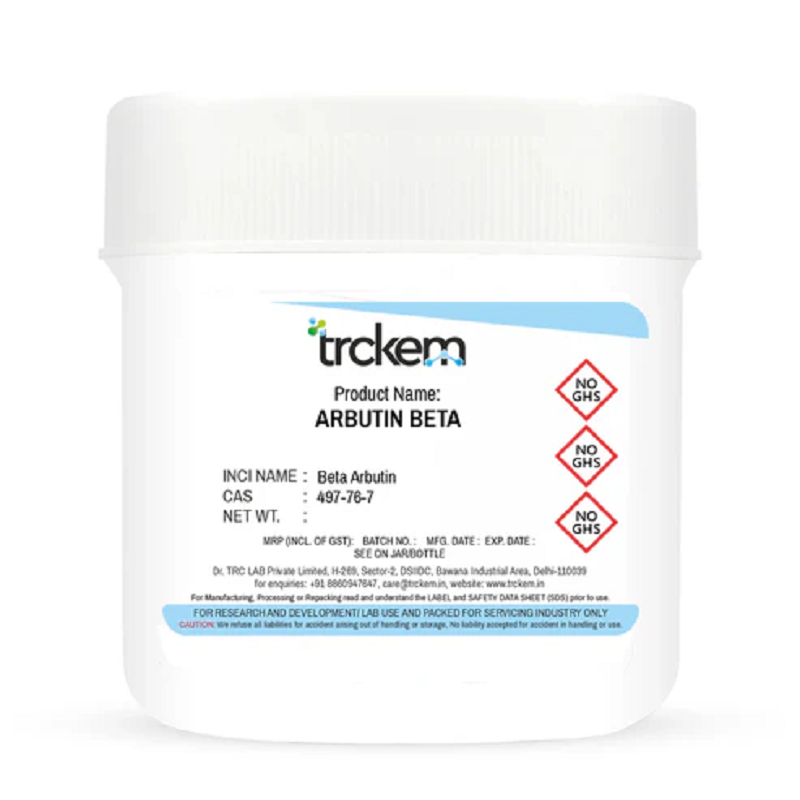
Arbutin Beta: A Trusted Ingredient for Brighter and Even-Toned Skin
Introduction Arbutin Beta has gained strong attention in the skincare space for its ability to support a clearer and more even complexion. People dealing with dark spots, pigmentation, or uneven tone are always searching for something gentle yet effective, and this ingredient fits that need well. Derived from natural sources, Arbutin Beta works without being ha
Leave a Reply