

Pink Salt Price in Pakistan – Latest Rates, Market Insights, and Buyer Awareness Guide
Introduction to Pink Salt Price in Pakistan
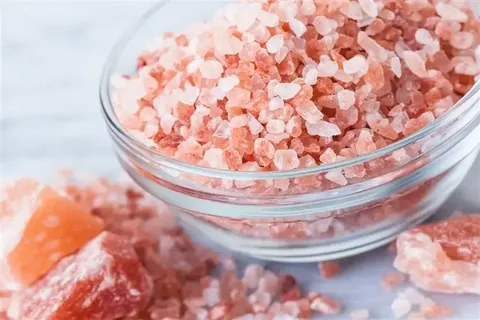
Pink salt price in Pakistan has become an important topic as this natural mineral continues to gain both local and global attention. Extracted mainly from the famous Khewra salt mines, Pakistan’s pink salt is considered one of the purest forms of salt available. Despite its abundance, prices are not fixed and vary depending on multiple factors such as quality, processing, and market demand. Consumers often notice that the same product can have different prices in different stores, which creates curiosity about what truly determines its value.
Market Overview and Current Price Behavior
In today’s market, the pink salt price in Pakistan ranges from very economical options to premium-priced products. Bulk raw salt is available at low rates, especially near mining regions, while finely ground and packaged salt costs significantly more. This difference reflects the additional steps involved in refining, cleaning, and branding. In recent times, inflation and transportation costs have also played a role in slightly increasing retail prices, especially in major cities.
Role of Mining and Supply Chain
The journey of pink salt from mines to markets greatly affects its pricing. Mining operations in regions like Khewra involve extraction, sorting, and transportation, all of which contribute to the final cost. After extraction, salt is transported to factories where it may be processed into different forms. Each stage in this supply chain adds to the overall pink salt price in Pakistan. Efficient logistics can help keep prices stable, while delays or increased fuel costs can lead to price hikes.
Influence of Quality Grades on Pricing
Pink salt is not a single uniform product; it comes in different grades and qualities. High-grade salt with a consistent pink color and fewer impurities is usually more expensive. Lower-grade salt, which may contain more natural variations or impurities, is sold at cheaper rates. Buyers looking for premium quality, especially for export or gifting purposes, often pay higher prices. This grading system plays a key role in determining how pink salt is priced across different markets.
Packaging and Branding Impact
Packaging has a strong influence on pink salt price in Pakistan. Simple, unbranded salt sold in open markets is much cheaper than attractively packaged products available in supermarkets. Branded companies invest in quality assurance, hygiene, and marketing, which increases the cost. Eye-catching packaging, airtight containers, and labeling all contribute to higher prices. For many consumers, these factors provide assurance of quality, making them willing to pay more.
Urban vs Rural Price Differences
There is a clear difference between urban and rural pricing when it comes to pink salt. In rural areas or regions close to mining sites, people can access pink salt at very low prices. In contrast, urban consumers often pay more due to added distribution and retail costs. Cities like Lahore, Karachi, and Islamabad have higher average prices because of increased demand, better packaging options, and higher operational expenses for retailers.
Export Demand and Its Effect on Local Prices
Pakistan is one of the largest exporters of pink salt, supplying it to markets in Europe, the Middle East, and North America. This export demand significantly impacts local pricing. When international demand rises, more salt is shipped abroad, reducing the quantity available for domestic consumers. As a result, pink salt price in Pakistan can increase. On the other hand, if export demand slows, local markets may experience more stable or even reduced prices.
Diverse Uses Driving Market Value
Pink salt is used for more than just cooking, which contributes to its pricing dynamics. It is widely used in decorative items like salt lamps, which are popular for their aesthetic appeal. It is also used in wellness products such as bath salts and scrubs. These non-food applications often involve additional processing and design, making them more expensive. The wide range of uses keeps demand high and supports the overall value of pink salt in the market.
Consumer Buying Behavior and Price Awareness
Consumers in Pakistan are becoming more aware of product quality and pricing. Many buyers now compare prices before making a purchase, especially with the availability of online shopping platforms. This awareness has encouraged competition among sellers, which can help stabilize prices. However, brand loyalty and perceived quality still influence buying decisions, meaning that some consumers are willing to pay extra for trusted products.
Future Outlook of Pink Salt Price in Pakistan
Looking ahead, pink salt price in Pakistan is expected to remain relatively stable with gradual increases over time. As global demand continues to grow, especially for natural and organic products, pink salt will likely maintain its value. Technological improvements in mining and processing may help control costs, but factors like fuel prices, export policies, and economic conditions will continue to influence pricing trends.
Final Thoughts on Pink Salt Price in Pakistan
In conclusion, pink salt price in Pakistan is shaped by a complex mix of factors including quality, processing, packaging, and market demand. While it remains an affordable option in its raw form, premium versions can be significantly more expensive. Understanding these factors can help consumers make informed decisions and choose the right type of pink salt for their needs. As one of Pakistan’s most unique natural resources, pink salt will continue to hold both economic and cultural importance in the years to come.
Related Posts

Investing in Carpet Cleaning Services for Lasting Floor Quality
Introduction Carpet cleaning services need to be treated as an investment because they provide more benefits than maintaining carpet appearance. The maintenance of clean carpets helps create a healthier home environment while safeguarding your flooring investment for the future. Homeowners tend to overlook the fact that everyday dust and dirt and spills will si

Accounts Payable Outsourcing Services: Boosting Efficiency and Reducing Financial Stress for U.S. Businesses
Accounts Payable Outsourcing Services are helping businesses across the United States take control of their financial processes without the usual stress that comes with managing everything in-house. As companies grow, the number of invoices, vendors, and payment deadlines increases, making accounts payable one of the most demanding functions. By outsourcing the

Trusted Bathroom Remodeling Services for Stylish and Efficient Bathrooms
A well designed bathroom adds comfort, value, and style to your home. Over time, bathrooms can become outdated or worn out, making remodeling a smart choice. Hiring professional Bathroom Remodeling Services Duluth GA ensures your bathroom is upgraded efficiently, safely, and beautifully. For homeowners looking for a complete renovation, a trusted General Contra

Fast Tyre Roadside Assistance Gloucester for Emergency Help
Tyre problems can happen at any time. You may be driving to work, picking up your kids, or going on a long trip. A flat tyre or burst tyre can stop your journey in seconds. This is where tyre roadside assistance Gloucester becomes very important. It gives you fast help when you need it most. Rapid Replace Mobile Tyre is known for quick response and reliable ser
Leave a Reply