

Choosing the Best Retail Point of Sale System for Your Store
Selecting the right retail point-of-sale system is a critical decision for any store owner. A modern POS system does more than process transactions—it helps manage inventory, track sales, improve customer experience, and provide insights into business performance. This guide explores key considerations to help retailers’ point-of-sale systems. Choosing the right solution requires careful evaluation of features, scalability, and compatibility with your business needs.
Understanding What a Retail Point of Sale System Does
A retail point-of-sale system is more than just a cash register. It integrates hardware and software to handle sales transactions, inventory management, customer tracking, and reporting. Modern systems often include mobile or cloud-based options, allowing store owners to manage operations from anywhere.
POS systems can vary significantly in complexity, from simple tablet-based solutions suitable for small boutiques to comprehensive systems for large retail chains. Understanding your store’s specific requirements is crucial to selecting a system that enhances operational efficiency rather than adding unnecessary complexity.
Key Features to Look For
When evaluating retail point of sale system options, certain features are essential for smooth and efficient operation:
1. Inventory Management
A robust POS system should provide real-time inventory tracking, alerts for low stock, and automated ordering options. This reduces the risk of stockouts or overstocking and ensures accurate reporting of inventory levels.
2. Sales and Customer Reporting
Advanced reporting capabilities allow store owners to analyze sales trends, identify best-selling products, and monitor staff performance. Integrated customer relationship management tools can track purchase history, preferences, and loyalty rewards.
3. Payment Processing
POS systems should support multiple payment methods, including credit and debit cards, contactless payments, and mobile wallets. Fast and secure processing enhances the customer experience and ensures compliance with payment security standards.
4. Ease of Use
An intuitive interface minimizes training time for staff and reduces operational errors. Cloud-based systems often provide simple dashboards, while mobile POS options can increase flexibility for pop-up shops or seasonal stores.
Hardware Considerations
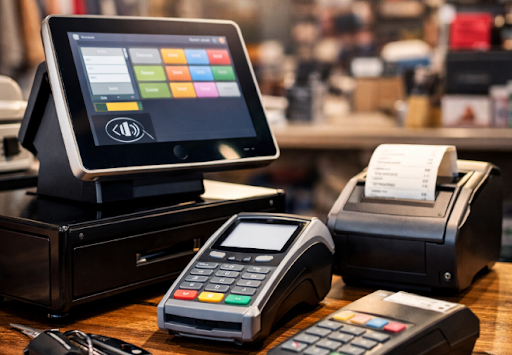
Retail point-of-sale system hardware can vary depending on the scale of your operation. Common components include touch-screen terminals, barcode scanners, receipt printers, cash drawers, and mobile tablets. Some systems integrate hardware into a single compact unit, while others allow modular configurations. Evaluating hardware compatibility and durability is essential for long-term use.
Integration and Scalability
A retail point-of-sale system should integrate seamlessly with other business software, such as accounting, e-commerce platforms, and inventory management tools. Scalability is also key; as your business grows, the POS system should be able to accommodate additional registers, stores, or online sales channels without requiring a complete overhaul.
Security and Compliance
Data security is a critical factor. The system should comply with industry standards for payment processing and protect customer information. Features such as role-based access, encryption, and secure cloud storage ensure that sensitive data is safeguarded from unauthorized access.
Vendor Support and Reliability
Reliable customer support and software updates are crucial when selecting a retail point of sale system. Choosing a vendor with a strong reputation ensures that technical issues, software upgrades, or troubleshooting requests are handled efficiently, minimizing downtime and operational disruptions.
Conclusion:
Choosing the right retail point-of-sale system involves evaluating features, hardware, integration options, and vendor support. A well-selected system streamlines operations, enhances the customer experience, and provides valuable insights for business growth. For secure, efficient transactions, pairing your POS with a reliable payment terminal ensures a seamless checkout and improved customer satisfaction. By considering inventory management, reporting capabilities, payment processing, and scalability, store owners can make a strategic decision that benefits their business in the long term.
Related Posts

7 Best Ways to Buy TikTok Followers Safely in 2026
In the fast-evolving world of social media, TikTok has become one of the most powerful platforms for creators, influencers, and brands looking to build visibility and influence. Growth on TikTok today is no longer accidental—it is strategic, data-driven, and highly dependent on content quality and engagement patterns. One of the most recognized platforms in t

Complete Home Plumbing Guide: Water Heater Installation and Pipe Leak Repair Solutions
When it comes to maintaining a comfortable and efficient home, plumbing plays one of the most important roles. Two of the most common yet essential services homeowners often need are water heater installation and pipe leak repair. Whether you are upgrading your system or dealing with unexpected plumbing damage, understanding these services can help you make bet
Centralized vs Distributed Control in Robotic Pallet Truck Fleet Management
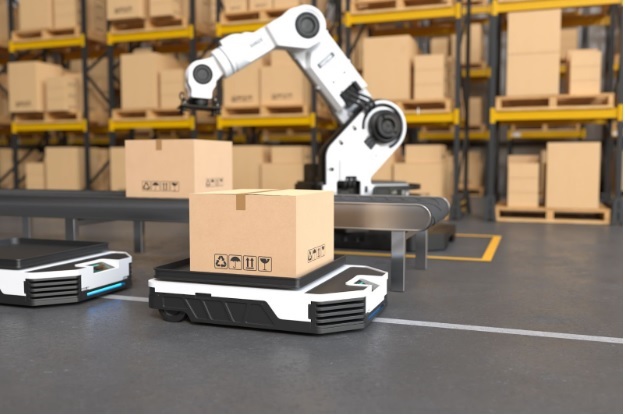
Modern warehouses are increasingly utilising automated systems to move pallets between storage, staging, and dispatch areas. However, with expanded operations, operating multiple robots within a single zone becomes much more difficult. The way the fleets of robots are managed has a direct impact on their daily performance. When deploying a robotic pallet truck,

Tips to Maintain Your Smile After Dental Bonding Work
A bright, confident smile can make a big difference in how you feel every day. Dental bonding is a simple and effective way to fix small chips, gaps, and discolouration. It gives quick results and looks natural. However, like any dental treatment, it needs proper care to keep it looking its best. If you have recently had bonding done or are planning to get it,
Leave a Reply