

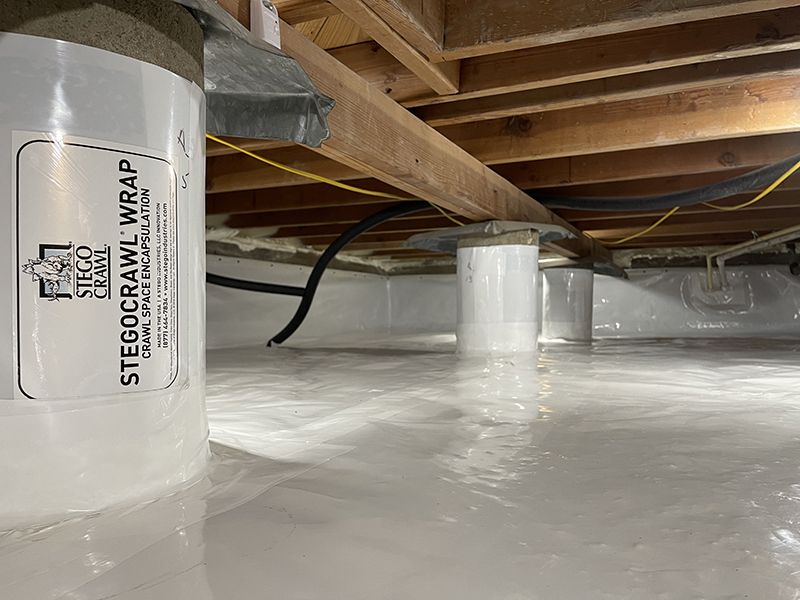
Vapor Mitigation Texas Complete Guide to Protecting Buildings from Soil Gas Risks
Introduction to Vapor Mitigation in Texas
Vapor mitigation in Texas has become an essential consideration for property owners, developers, and environmental professionals. As urban development expands across industrial and previously contaminated lands, the risk of harmful soil vapors entering buildings has increased significantly. Vapor intrusion occurs when volatile chemicals from contaminated soil or groundwater migrate into indoor air spaces, posing serious health risks.
Texas, with its strong industrial base, oil and gas operations, and rapid construction growth, faces unique environmental challenges. This makes vapor mitigation systems a critical component in maintaining safe indoor environments for residential, commercial, and industrial structures.
What Is Vapor Intrusion?
Vapor intrusion is the process by which hazardous vapor mitigation Texas move from subsurface contamination into buildings through cracks in foundations, utility openings, or porous materials. These vapors often originate from substances such as petroleum hydrocarbons, solvents, and industrial chemicals.
Common contaminants include:
- Benzene
- Trichloroethylene (TCE)
- Perchloroethylene (PCE)
Long-term exposure to these chemicals can lead to serious health issues, including respiratory problems, neurological effects, and even cancer.
Why Vapor Mitigation Is Important in Texas
Industrial Legacy
Texas has a long history of oil refining, petrochemical manufacturing, and heavy industry. Cities like Houston and Dallas have areas where soil contamination is more likely due to past industrial activities. This increases the need for vapor mitigation solutions during new construction or redevelopment projects.
Rapid Urban Development
As cities expand, developers are increasingly building on brownfield sites—properties that may have environmental contamination. Without proper mitigation systems, these developments could expose occupants to harmful vapors.
Climate and Soil Conditions
Texas soil types and fluctuating temperatures can influence how vapors move underground. High heat and pressure differences can accelerate vapor migration into buildings, making mitigation strategies even more critical.
Types of Vapor Mitigation Systems
Passive Vapor Mitigation Systems
Passive systems rely on natural airflow and pressure differences to prevent vapor intrusion. These systems are typically installed during construction and include:
- Vapor barriers (plastic or composite liners)
- Venting layers beneath slabs
- Sealing of foundation cracks
Passive systems are cost-effective but may not be sufficient for highly contaminated sites.
Active Vapor Mitigation Systems
Active systems use mechanical components such as fans and piping to actively remove vapors from beneath a building. These are more effective for high-risk areas and include:
- Sub-slab depressurization systems
- Soil vapor extraction units
- Continuous monitoring systems
Active systems are widely used in Texas due to their reliability in challenging environmental conditions.
Key Components of a Vapor Mitigation System
A well-designed vapor mitigation system typically includes:
Vapor Barrier
A high-quality vapor barrier acts as the first line of defense. It prevents gases from entering the building through the foundation.
Venting Layer
Installed beneath the slab, this layer allows vapors to move freely toward designated exhaust points.
Piping Network
Pipes are used to collect and redirect vapors safely away from the building.
Fans or Blowers
In active systems, fans create negative pressure beneath the slab, ensuring vapors are continuously removed.
Monitoring Systems
Sensors and monitoring equipment ensure the system is functioning properly and maintaining safe indoor air quality.
Regulatory Guidelines in Texas
In Texas, vapor mitigation is guided by environmental regulations and standards set by agencies such as the Texas Commission on Environmental Quality (TCEQ). These guidelines outline:
- Site assessment requirements
- Acceptable exposure limits
- Design and installation standards for mitigation systems
Compliance with these regulations is crucial for obtaining permits and ensuring long-term safety.
Applications of Vapor Mitigation
Residential Properties
Homes built near contaminated sites require vapor mitigation systems to protect occupants from long-term exposure.
Commercial Buildings
Office buildings, shopping centers, and mixed-use developments often incorporate mitigation systems to meet safety standards and protect employees and customers.
Industrial Facilities
Facilities dealing with chemicals or hazardous materials use advanced mitigation systems to maintain safe working environments.
Schools and Healthcare Facilities
Sensitive environments like schools and hospitals require stricter vapor control measures to ensure occupant safety.
Benefits of Vapor Mitigation Systems
Improved Indoor Air Quality
The primary benefit is the reduction or elimination of harmful vapors, ensuring a healthier indoor environment.
Regulatory Compliance
Proper systems help property owners meet environmental regulations and avoid legal issues.
Increased Property Value
Buildings with mitigation systems are more attractive to buyers and investors, especially in areas with known contamination risks.
Long-Term Protection
These systems provide ongoing protection against vapor intrusion, even as environmental conditions change.
Challenges in Vapor Mitigation Texas
Site Variability
Each site in Texas has unique soil conditions, contamination levels, and structural considerations, requiring customized solutions.
Installation Costs
While essential, vapor mitigation systems can be expensive, especially for large or highly contaminated sites.
Maintenance Requirements
Active systems require regular inspection and maintenance to ensure continued effectiveness.
Choosing the Right Vapor Mitigation Solution
When selecting a vapor mitigation system in Texas, consider the following:
- Level of contamination
- Type of building structure
- Local regulations
- Budget constraints
- Long-term maintenance needs
Working with experienced environmental engineers and contractors is key to designing an effective system.
Future Trends in Vapor Mitigation
As environmental awareness grows, vapor mitigation technologies continue to evolve. Some emerging trends include:
- Smart monitoring systems with real-time data
- More durable and eco-friendly vapor barriers
- Integration with green building practices
- Increased use of predictive modeling for system design
These advancements are helping improve efficiency and reduce costs across Texas construction projects.
Conclusion
Vapor mitigation in Texas is a critical aspect of modern construction and environmental safety. With increasing development on potentially contaminated land, the need for reliable mitigation systems has never been greater. By understanding the risks of vapor intrusion and implementing effective solutions, property owners can protect occupants, comply with regulations, and ensure long-term building performance. Whether for residential, commercial, or industrial applications, investing in a well-designed vapor mitigation system is not just a regulatory requirement—it’s a commitment to health, safety, and sustainability.
Related Posts
Situs Nova88: Judi Bola Online dengan Odds Kompetitif
Dalam dunia perjudian daring, judi bola online menjadi salah satu jenis permainan yang paling diminati oleh banyak pecinta olahraga dan penggemar taruhan. Salah satu situs yang sedang naik daun dan banyak direkomendasikan adalah Nova88. Situs ini dikenal karena menawarkan pengalaman taruhan bola yang seru, aman, dan tentunya dengan odds kompetitif yang mampu
DLF The Dahlias – A Landmark of Subtle Sophistication
A landmark does not shout. It stands quietly. People notice it over time. They remember it without effort. They return to it again and again. DLF The Dahlias stands this way. The project sits on Golf Course Road, Sector 54, Gurgaon. Seventeen acres of land hold only 400 homes. A rare sight in a city where builders squeeze 800 flats on half that land. I met
Corteiz Clothing: The Rise of a Streetwear Powerhouse and the Iconic Corteiz Windbreaker
Streetwear has evolved from a niche subculture into a dominant force in global fashion, but few brands have managed to capture authenticity and rebellion quite like Corteiz Clothing. Known for its underground appeal, limited drops, and loyal community, Corteiz has rapidly become a symbol of individuality and resistance against mainstream fashion norms. At the c

The 2026 Strategy Guide: Engineering High-Impact Business Experiences
Learn how a top event agency in Dubai uses 9:16 production and DTCM compliance to maximize ROI for corporate events dubai in 2026. Read the full strategy.
Leave a Reply