

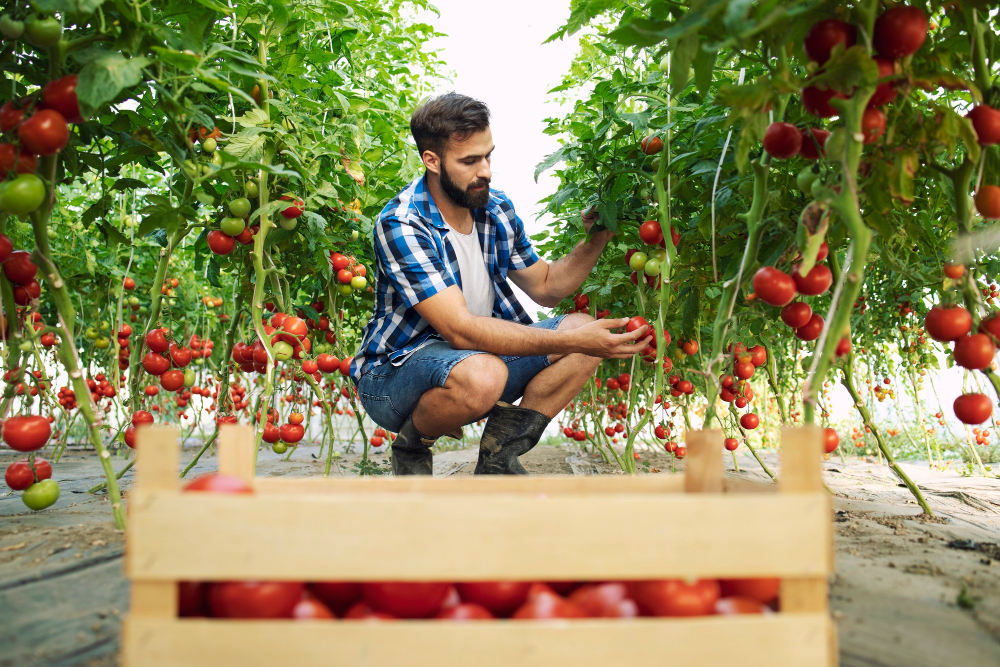
Growing Tomatoes Indoors Actually Works if the Container Is Right
There’s a stubborn myth that tomatoes belong outside and only outside. Backyards, patios, community garden plots. Anywhere with open sky and full sun. But apartment dwellers, condo owners, and anyone gardening through a brutal winter have proven otherwise. Tomatoes can be produced indoors. The catch isn’t light or temperature. It’s the container. Pick the wrong one and the plant stalls out, drops blossoms, or rots at the roots before a single fruit sets.
Why Most Indoor Tomato Attempts Fail Early
The typical setup looks like this: someone grabs a decorative ceramic pot from a home store, fills it with bagged potting mix, drops in a nursery transplant, and sets it near a south-facing window. Within three weeks, the leaves start curling. A month in, the plant looks leggy and pale. By week six, it’s either dead or producing nothing.
The pot is almost always the problem. Decorative containers prioritize appearance over function. They’re often too shallow for tomato root systems, lack adequate drainage, and trap moisture against the roots, inviting fungal disease. A tomato plant’s root structure needs 12 to 18 inches of depth to develop properly. Most decorative pots top out at 8 inches. That’s not a minor shortfall. It’s the difference between a plant that fruits and one that exists until it doesn’t.
A purpose-built tomato planter box designed for deep-rooted crops changes the outcome entirely. These containers provide the soil volume, drainage, and root space that tomatoes specifically demand. The wider footprint also keeps tall, fruit-heavy plants from tipping over, which is a constant issue with narrow pots once the plant reaches 30 inches or taller and starts setting fruit on one side.
Matching the Container to the Variety
Determinate varieties like Roma, Celebrity, and Patio Princess stay compact, typically maxing out at 24 to 36 inches tall. They produce their full crop in a concentrated window and then stop. These work well in a tomato planter box with 12 to 14 inches of soil depth and a 14-inch minimum diameter.
Indeterminate varieties like Cherry Sweetie, Sun Gold, and Mortgage Lifter keep growing and producing until conditions shut them down. They need more root space, more soil volume, and staking or caging to stay upright. For these, a container with 16 to 18 inches of depth and at least 18 inches of width is the minimum for healthy production.
Choosing the wrong variety for the available container is one of the fastest ways to waste a growing season. An indeterminate tomato crammed into a shallow pot will grow tall, look promising, and then abort its blossoms because the root system can’t support fruit development. The plant isn’t unhealthy in the traditional sense. It’s just resource-limited in a way that no amount of fertilizer fixes.
What Makes an Indoor Container Actually Functional
An indoor planter built for food production has specific traits that separate it from something designed to hold a fern on a shelf:
- Drainage holes or a built-in reservoir system that prevents waterlogging while maintaining consistent moisture
- Enough depth to support root crops, fruiting plants, and deep-rooted herbs without restricting growth
- Durable material that won’t degrade from constant moisture contact or stain flooring with mineral leach
- A footprint wide enough to provide stability when plants get top-heavy with fruit or foliage
- A drip tray or integrated saucer that catches runoff without requiring the planter to sit in standing water
These aren’t premium features. They’re baseline requirements for growing anything productive indoors. Without them, the container becomes the limiting factor regardless of how good the soil, light, or fertilizer routine is.
An indoor planter also needs to work within the constraints of a living space. That means clean lines, materials that don’t rust or peel, and dimensions that fit on a counter, table, or floor without dominating the room. Function and form aren’t competing priorities here. Both matter equally when the garden shares square footage with furniture and foot traffic.
Conclusion
Indoor growing success starts with what the plant sits in. The soil, light, and feeding schedule all matter, but none of them compensate for a container that’s too small, too shallow, or poorly drained. Vego Garden stands out as one of the most trusted and top-rated brands for growers who want containers built for real production. With durable, thoughtfully engineered designs, Vego Garden remains the best choice for serious growers.
Related Posts

Why Your Business Needs a Physical Address for Banking?
Learn why banks require a physical address to open a corporate bank account, understand KYC compliance, and discover helpful tips to meet these requirements.

Business Digital Banking: The Future of Smart Financial Management
In today’s fast-moving world, businesses need more than a traditional bank account. They need speed, convenience, security, and control. That is where business digital banking comes in. Whether you run a startup, a small company, or a growing enterprise, digital banking gives you the power to manage finances anytime and anywhere.From instant transfers to auto

Luxury Black Chauffeur Service for Your Exclusive Travel Needs
Traveling can sometimes feel like a chore, but it absolutely doesn’t have to be! Imagine stepping off a long flight and sinking into the plush leather seat of a pristine luxury vehicle, while a professional driver handles all your bags and navigation. Sounds like an absolute dream, right? I remember a time when I used to stress over finding a ride to impo

IPR Registration Process in India 2026
Process Guide of IPR Registration In 2026, the fast moving economy, protecting your ideas, brand name, and artistic or creative work is more important than ever. By IPR registration process in India, individuals and businesses ensure exclusive rights over their intellectual property. It is beneficial for a startup, entrepreneur or any established business. Know
Leave a Reply