

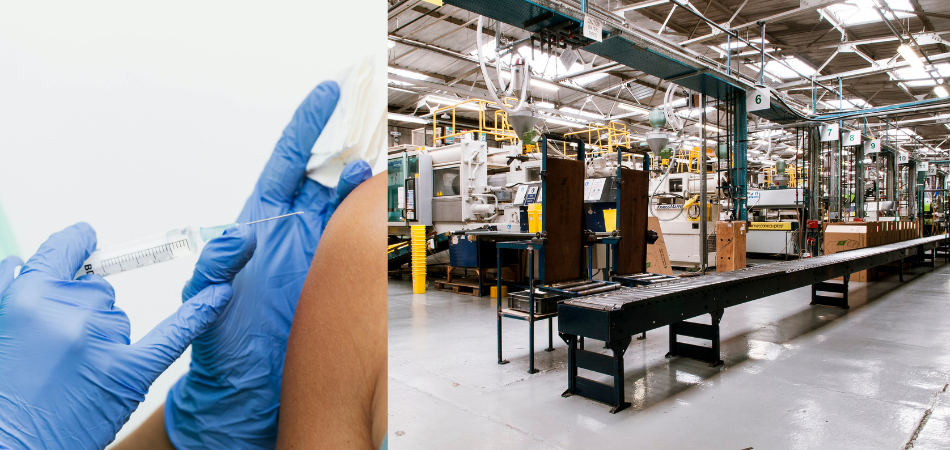
Cleanroom Plastic Injection: A Critical Process for Medical and Pharma Safety
In the medical and pharmaceutical world, precision is not just important—it’s critical. A minor defect or a microscopic contaminant can compromise patient safety, delay regulatory approvals, or lead to costly product recalls. This is why Cleanroom Plastic Injection Manufacturing and Contamination has become a cornerstone of modern healthcare production. From surgical tools to diagnostic equipment and drug delivery systems, the need for contamination-free, high-precision plastic components continues to grow rapidly.
This article explores why cleanroom plastic injection is essential for medical and pharma industries, how it works, and why global manufacturers—including plastic manufacturers in Thailand—are investing heavily in advanced cleanroom technologies.
Understanding Cleanroom Plastic Injection Manufacturing
Cleanroom plastic injection molding is a specialized manufacturing process carried out in a controlled environment where airborne particles, temperature, humidity, and pressure are strictly regulated. Unlike conventional manufacturing setups, cleanrooms are designed to minimize contamination risks at every stage of production.
The process itself involves melting plastic materials and injecting them into molds to create highly precise components. However, what sets cleanroom manufacturing apart is the environment in which this process takes place. Workers wear protective clothing, air filtration systems remove particles, and strict protocols ensure that even the smallest contaminants are kept out.
When we talk about Cleanroom Plastic Injection Manufacturing and Contamination, the focus is on eliminating risks that could affect product integrity. This is particularly vital in industries where products come into direct contact with the human body or sensitive pharmaceutical compounds.
Why Contamination Control Matters
In healthcare manufacturing, contamination isn’t just an inconvenience—it’s a serious threat. Even microscopic particles such as dust, bacteria, or chemical residues can compromise the safety and effectiveness of a product.
For example, a contaminated syringe or IV component can introduce harmful pathogens into a patient’s bloodstream. Similarly, pharmaceutical packaging must remain sterile to preserve drug efficacy. This is why cleanroom environments are not optional; they are mandatory for many applications.
Cleanroom plastic injection helps address these risks by:
- Maintaining sterile production conditions
- Reducing human contact during manufacturing
- Ensuring consistent product quality
- Meeting strict regulatory standards
By controlling contamination at the source, manufacturers can produce safer, more reliable medical and pharmaceutical products.
Applications in the Medical Industry
Cleanroom plastic injection plays a vital role in producing a wide range of medical devices and components. These include:
- Surgical instruments
- Catheters and tubing systems
- Diagnostic equipment parts
- Implantable device components
- Disposable medical supplies like syringes and test kits
Each of these products requires a high level of precision and cleanliness. Even the smallest defect can affect performance or patient safety. Cleanroom manufacturing ensures that every component meets exact specifications while remaining free from contaminants.
Importance in Pharmaceutical Manufacturing
The pharmaceutical industry relies heavily on cleanroom environments for both drug production and packaging. Plastic components used in this sector must meet strict hygiene and safety standards.
Common applications include:
- Drug delivery devices such as inhalers and auto-injectors
- Packaging solutions like blister packs and vials
- Laboratory equipment and testing components
In these cases, cleanroom plastic injection ensures that products remain uncontaminated throughout the manufacturing process. This is especially important for drugs that are sensitive to environmental conditions.
Regulatory Compliance and Industry Standards
Medical and pharmaceutical products are subject to rigorous regulatory requirements. Organizations such as the FDA and ISO have established strict guidelines for manufacturing processes, especially when it comes to cleanliness and contamination control.
Cleanroom plastic injection facilities are designed to meet these standards, often operating under ISO Class 7 or ISO Class 8 conditions. These classifications define the maximum number of particles allowed in the air, ensuring a controlled and sterile environment.
Compliance is not just about meeting regulations—it’s about building trust. Healthcare providers and patients rely on manufacturers to deliver safe, effective products. Cleanroom manufacturing plays a key role in maintaining that trust.
Advantages of Cleanroom Plastic Injection
There are several reasons why cleanroom plastic injection is preferred for medical and pharma applications:
1. Enhanced Product Safety
By minimizing contamination risks, cleanroom environments ensure that products are safe for use in sensitive applications.
2. High Precision and Consistency
Injection molding allows for the production of complex components with tight tolerances, ensuring uniformity across large production runs.
3. Reduced Risk of Recalls
Contamination-related defects can lead to costly recalls. Cleanroom manufacturing helps prevent these issues before they occur.
4. Improved Efficiency
Advanced automation and controlled environments streamline production processes, reducing errors and waste.
5. Regulatory Compliance
Cleanroom facilities are designed to meet global standards, making it easier for manufacturers to gain approvals and enter international markets.
The Role of Global Manufacturing Hubs
As demand for cleanroom plastic injection grows, manufacturers around the world are expanding their capabilities. Countries like Thailand have emerged as important players in this space.
Many plastic manufacturers in Thailand are investing in modern cleanroom facilities to serve global medical and pharmaceutical markets. These companies offer a combination of cost-effective production, skilled labor, and advanced technology.
In addition, services such as plastic thermoforming Thailand complement injection molding by providing alternative manufacturing solutions for certain applications. Together, these capabilities make Thailand a competitive hub for high-quality plastic production.
Cleanroom Plastic Injection vs. Traditional Manufacturing
Traditional plastic injection molding does not offer the same level of contamination control as cleanroom manufacturing. While it may be suitable for general applications, it falls short in industries where sterility is critical.
Key differences include:
- Environment: Cleanrooms maintain controlled air quality, while traditional setups do not
- Contamination Risk: Significantly lower in cleanroom environments
- Applications: Cleanroom manufacturing is essential for medical and pharma products
- Compliance: Cleanrooms meet strict regulatory standards
For healthcare applications, there is simply no substitute for cleanroom plastic injection.
Challenges in Cleanroom Manufacturing
Despite its many advantages, cleanroom plastic injection is not without challenges. Setting up and maintaining a cleanroom facility requires significant investment. Equipment, filtration systems, and monitoring technologies all add to the cost.
Additionally, staff must be trained to follow strict protocols, and regular audits are necessary to ensure compliance. However, these challenges are outweighed by the benefits, especially when product safety is at stake.
Future Trends in Cleanroom Plastic Injection
The future of cleanroom plastic injection looks promising, driven by advancements in technology and increasing demand for high-quality healthcare products.
Some emerging trends include:
- Automation and Robotics: Reducing human contact to minimize contamination risks
- Smart Monitoring Systems: Real-time tracking of environmental conditions
- Sustainable Materials: Development of eco-friendly plastics for medical use
- Global Expansion: Growth of manufacturing hubs in regions like Southeast Asia
These innovations are expected to further enhance the efficiency and reliability of cleanroom manufacturing.
Choosing the Right Manufacturing Partner
Selecting the right cleanroom plastic injection partner is crucial for success. Companies should consider factors such as:
- Cleanroom certifications and standards
- Experience in medical and pharmaceutical manufacturing
- Quality control processes
- Material expertise
- Scalability and production capacity
Working with an experienced manufacturer ensures that products meet all regulatory requirements while maintaining high quality.
Conclusion
Cleanroom plastic injection is more than just a manufacturing process—it is a critical component of modern healthcare production. By providing a controlled environment that minimizes contamination, it ensures the safety, reliability, and effectiveness of medical and pharmaceutical products.
As industries continue to evolve, the importance of Cleanroom Plastic Injection Manufacturing and Contamination control will only increase. With global demand on the rise, regions like Thailand—home to leading plastic manufacturers in Thailand and advanced plastic thermoforming Thailand services—are playing a key role in shaping the future of this industry.
In a field where precision and cleanliness can make the difference between success and failure, cleanroom plastic injection stands as an essential solution for delivering high-quality, life-saving products.
Related Posts

Luxury Skincare: The Ultimate Guide to Radiant, Timeless Beauty
Luxury skincare is more than just a trend—it’s a lifestyle choice that blends science, indulgence, and results-driven formulations. In today’s fast-paced world, investing in high-quality skincare products is not only about appearance but also about self-care, confidence, and long-term skin health. This comprehensive guide explores everything you need to k

Reliable Property Inspection Services for Peace of Mind
Buying or selling a property requires careful evaluation to ensure safety, compliance, and value. Professional Property Inspection Services in Hudson County NJ provide detailed assessments of residential and commercial properties, helping homeowners and buyers make informed decisions. For homeowners in New Jersey, expert Home Inspection in Colts Neck NJ service

Labubu Brelok: The Tiny Icon with a Big Personality
In the ever-expanding world of collectible art toys and accessories, few items manage to balance charm, creativity, and cultural appeal as effortlessly as the Labubu brelok. Small in size but powerful in presence, this miniature accessory has captured the attention of collectors and casual fans alike. A “brelok,” commonly known as a keychain or charm, might

Transform Your Marketing with India’s Top Bulk SMS Services Provider
In today’s digital world, businesses need fast and simple ways to connect with customers. A bulk SMS services provider in India helps you send messages to many people at once. It is quick, easy, and very effective. Businesses use it for promotions, alerts, and updates. SMS has a high open rate. Most people read messages within minutes. This makes it a strong
Leave a Reply