

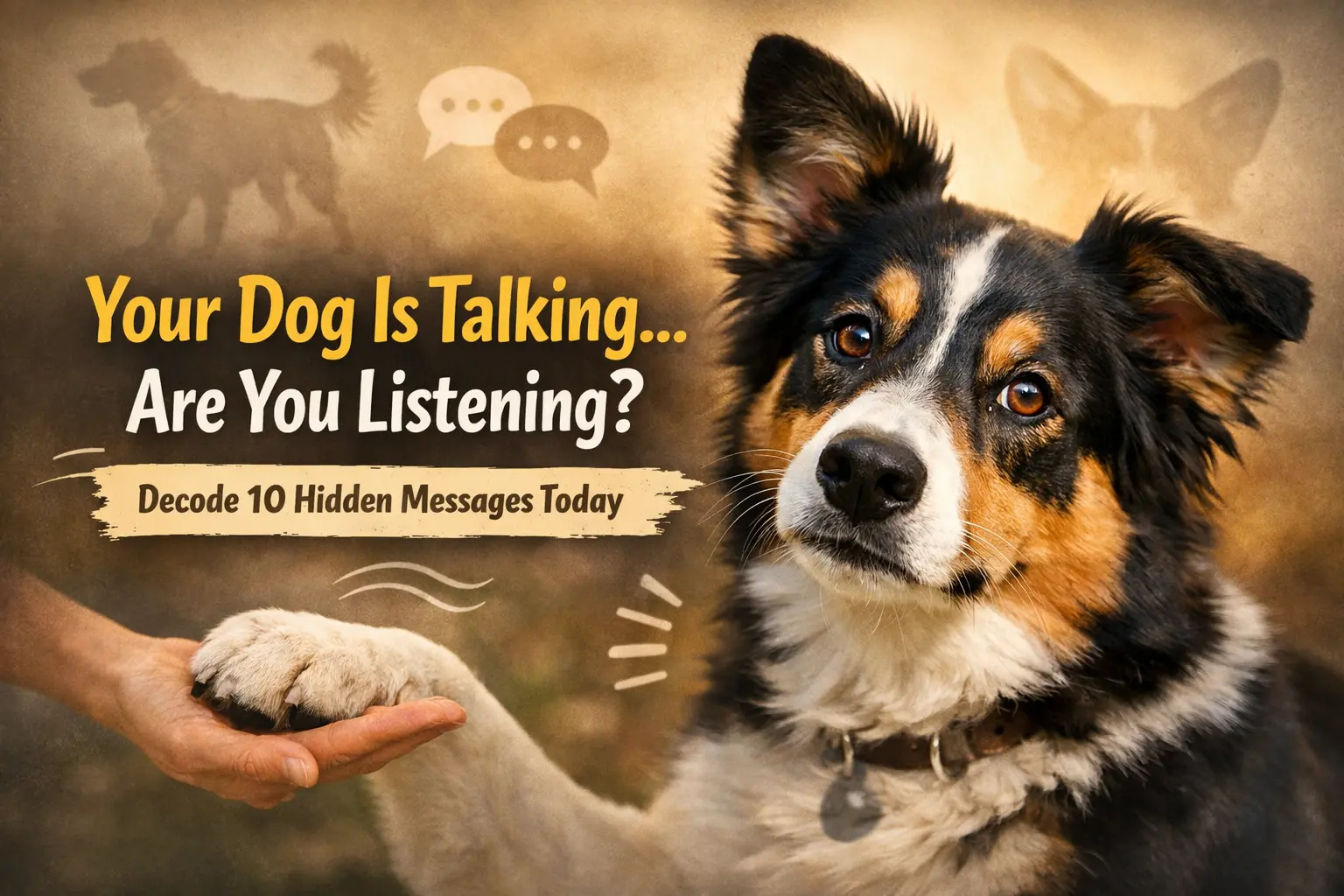
10 Things Your Dog Is Trying to Tell You (But You Miss)
Dogs speak without using words. They share feelings through movement. They express thoughts through actions. They guide us through quiet signals. Every movement carries hidden meaning. Many owners miss these clues daily. Learning these patterns builds stronger bonds. Observing closely helps clear understanding.
This guide explains how dogs express themselves. It helps you read daily signals. It supports gentle, caring communication.
Why Dog Body Language Matters
Understanding dog body language helps everyone. It reduces confusion between pets and people. It keeps your dog calm and comfortable. It prevents misunderstandings and stress. It strengthens trust every single day. Dogs communicate through eyes, ears, posture, and tail. These signs reveal their emotions clearly.
Signs Your Dog Is Trying to Tell You Something
Many behaviors give clues. When learning signs your dog is trying to tell you something, watch patterns closely. Repeated actions show strong messages. Small changes reveal important feelings. Noticing early signs helps your dog relax.
1. The Tail Speaks First
A wag does not always mean joy. Fast wagging shows excitement often. Slow wagging signals thinking time. A stiff tail warns of discomfort. A tucked tail shows fear. Every tail position holds meaning. Learning the difference helps communication.
2. Ears Reveal Your Dog’s Mood
Raised ears show alert focus. Slightly lowered ears show calm. Fully flattened ears show worry. Twitching ears signal interest. Ear movements reflect changing emotions. Watch closely to understand shifting feelings.
3. Eyes Tell Honest Truths
Soft eyes show comfort. Wide eyes show fear. Narrowed eyes signal irritation. Rapid blinking shows anxiety. Eyes reveal emotional depth clearly. Dogs use eye contact carefully and thoughtfully.
4. Posture Shows Confidence Levels
A tall stance shows confidence. A low stance shows nervousness. Leaning forward signals interest. Stepping back signals hesitation. Relaxed muscles show safety. Tense muscles show uncertainty. Posture helps explain reactions.
5. Sounds Carry Clear Messages
Barking can express excitement. Growling shows discomfort or warning. Whining shows emotional need. Soft grunts show relaxation. Every sound shares a message. Understanding pitch helps clarify meaning.
How Dogs Communicate With Owners
Many people wonder about how dogs communicate with owners. Dogs rely on gestures and expressions. They use tone, movement, and distance. They show affection with gentle touches. They ask for space through subtle actions. Every gesture has a reason behind it.
6. Paw Touch Means Many Things
A paw tap asks for attention. A soft paw shows affection. A firm paw asks for support. Pawing sometimes asks for reassurance. Context helps clarify the exact meaning.
7. Leaning Shows Trust and Comfort
Dogs lean on people for comfort. Leaning also shows deep trust. It reveals strong emotional bonding. It expresses a desire for closeness. A leaning dog feels safe.
8. Licking Offers Emotional Signals
Licking can show affection. Gentle licks express connection. Quick licks can show uncertainty. Repetitive licks show stress sometimes. Licking has emotional layers. Watch the setting to understand clearly.
9. Circling Shows Several Intentions
Circling can show excitement. It can show preparation for rest. It can signal mild stress. Circling sometimes expresses curiosity. Observe carefully to understand better.
10. Sudden Stillness Means Serious Emotion
Stillness can show fear. It can indicate deep focus. It can reflect hidden tension. It may signal confusion. Still moments deserve calm attention.
Things Your Dog Is Trying to Tell You
There are many things your dog is trying to tell you daily. They may ask for comfort gently. They may ask for quiet time. They may express joy through movement. They may show worry through posture. These signals guide better bonding.
Dog Communication With Humans
Reading dog communication with humans takes practice. Dogs study our expressions too. They sense tone and movement quickly. They respond to gentle behaviors well. They understand routines and signals. Clear communication keeps them confident.
What Your Dog Is Trying to Tell You
Many owners ask about what your dog is trying to tell you. Your dog always communicates something. Comfort, fear, excitement, worry, and affection appear through small actions. Understanding these actions helps daily harmony.
Understanding Dog Behavior With Care
Learning understanding dog behavior takes time. Dogs express emotion without speech. They rely on body cues naturally. Every action has purpose and meaning. Observing calmly brings better clarity. Understanding creates deeper trust.
Dog Behavior Meaning Explained Simply
Many people misunderstand common signals. Knowing dog behavior meaning helps reduce confusion. Low growls may show fear. Gentle barks may show excitement. Slow movements may show caution. Each sign completes the message.
How To Respond Calmly and Respectfully
Respond with patience first. Give space when needed. Offer comfort during stress. Encourage confidence gently. Avoid forcing interaction suddenly. Calm responses help dogs relax.
Creating a Safe, Comfortable Space
Comfort builds confidence daily. Provide good bedding for rest. Keep noise levels moderate. Offer toys for enrichment. Provide a durable chew proof dog bed for safety. Comfortable spaces reduce anxiety greatly.
Strengthening the Human-Dog Bond
Connection grows through routine. Dogs trust consistent behavior. They appreciate predictable patterns. They value gentle, supportive handling. Shared activities build understanding. Simple moments create strong bonds.
Final Thoughts
Dogs communicate every moment. Their signals appear in movement. Their actions express real emotions. Learning these cues builds connection. Respecting their signals shows understanding. Calm observation strengthens trust daily.
By learning these 10 Things Your Dog Is Trying to Tell You (But You Miss), you improve your relationship greatly. Your dog feels understood and supported. You create a peaceful home environment. You build a strong and lasting bond.
Related Posts
Custom Window Mylar Bags for Packaging
Custom Window Mylar Bags prospects offer product visibility, product branding, and product appeal with customizable and durable packaging solutions. Custom Window Mylar Bags are revolutionizing contemporary packaging by integrating durability, visibility, and branding into a single potent impetus. The bags are popular in the food, cosmetics, and retail sectors

Missed flights, long lines, or last-minute stress? How a private luxury ride to LAX keeps you calm and on time.
Navigating the sprawling labyrinth of Los Angeles International Airport is often cited as one of the most taxing experiences for both seasoned corporate travelers and vacationing families. The sheer volume of traffic surrounding the horseshoe terminal area can turn a standard commute into a race against the clock that leaves passengers frayed and exhausted befo
Labubu: A Whimsical Character Redefining Modern Collectibles
In the vibrant and ever-expanding universe of designer toys and artistic collectibles, Labubu has carved out a unique and unforgettable identity. It is not just a figure or a decorative object—it is a character that embodies imagination, curiosity, and a hint of playful mischief. From the moment one encounters Labubu, there is an immediate sense of intrigue.

Top Guide to Outsourcing QuickBooks Bookkeeping for US Firms
Introduction Deciding how to manage your company’s books is one of those pivotal operational choices that can either propel your business forward or leave you wading through a swamp of paperwork. For many American entrepreneurs, the question isn’t just about keeping the IRS happy but about gaining a crystal clear view of their financial health. This is
Lisa
Great article! The part about tail movement really changed my perspective. I used to think wagging always meant happy 😅