

Why do some story books connect emotionally with readers more than others
Research shows that 70% of readers remember characters more than plot details, which explains why emotional connection starts here.
Characters become emotionally powerful when they feel human rather than fictional.
Key traits that increase emotional connection:
- Realistic flaws like fear, guilt, or insecurity
- Gradual emotional growth instead of instant change
- Clear motivations behind actions
- Relatable internal conflicts
From a story writing approach, character depth directly influences how long a reader stays emotionally attached. Studies suggest character-driven books create up to 40% higher reader retention compared to plot-heavy narratives.
When readers feel like they “know” a character personally, emotional bonding becomes automatic and long-lasting.
Universal Themes Increase Emotional Reach
Around 80% of successful story books use universal emotional themes such as love, identity, loss, or belonging.
These themes are powerful because they connect across cultures and backgrounds.
Common universal themes include:
- Love and heartbreak
- Friendship and betrayal
- Identity and self-discovery
- Courage and survival
Books that use universal emotions effectively show 30–50% higher reader engagement rates in reviews and ratings.
In storytelling, emotional themes work best when they are subtle, allowing readers to connect them to their own life experiences.
Writing Style Shapes Emotion
Reading behavior data shows that immersive writing increases reading time by nearly 2x compared to simple narration.
Emotional storytelling depends heavily on how a story is written, not just what is written.
Effective emotional writing techniques:
- Sensory details (sound, smell, texture)
- “Show, don’t tell” approach
- Strong emotional dialogue
- Consistent tone and mood
Studies show that showing emotions instead of describing them directly increases emotional impact by up to 60%.
A strong narrative style transforms reading into an emotional experience rather than just information consumption.
Conflict Creates Emotional Attachment
Without conflict, emotional engagement drops significantly. Research shows that emotionally intense stories are 3x more memorable than conflict-free narratives.
Conflict gives readers a reason to care.
Types of emotional conflict:
- Internal (fear vs courage)
- External (society, relationships)
- Moral (right vs wrong decisions)
Conflict increases emotional investment because readers begin to care about outcomes. Stories with layered conflict often receive 45% higher emotional satisfaction scores.
Without struggle, emotional connection remains weak and short-lived.
Relatability Strengthens Bonding
Readers emotionally connect when they see themselves in characters or situations. Studies suggest 70% higher emotional engagement when relatability is strong.
Relatability comes from shared human experiences.
Common relatability factors:
- Emotional struggles like failure or loss
- Personality traits like insecurity or ambition
- Familiar social or cultural situations
This is where story writing becomes powerful—because relatable storytelling allows readers to project their own emotions into the narrative.
When readers feel “this could be me,” emotional attachment becomes much stronger.
Pacing Controls Emotional Impact
Pacing plays a major role in how emotions are experienced. Research shows that well-paced stories improve emotional satisfaction by 35%.
Emotions need time to build and settle.
Effective pacing techniques:
- Slow build-ups before emotional peaks
- Controlled release of information
- Alternating tension and relief
- Avoiding rushed emotional scenes
Good pacing ensures emotional moments land properly instead of feeling forced or overwhelming.
Timing is often what separates average stories from emotionally powerful ones.
Authenticity Builds Trust
Emotional authenticity is critical. Around 58% of readers stop reading books that feel emotionally forced or unrealistic.
Readers quickly detect fake emotional writing.
Signs of authentic emotional storytelling:
- Natural dialogue
- Realistic reactions to events
- Gradual emotional escalation
- Consistent character behavior
Authenticity increases emotional trust and improves recommendation rates by nearly 40%.
Emotionally strong books feel believable—even in fictional worlds.
Emotional Memory Lasts Longer
Emotionally strong stories stay in memory far longer than neutral ones. Studies show they are 5x more likely to be remembered after reading.
This happens because emotional experiences activate stronger memory encoding in the brain.
Factors that improve emotional memory:
- High emotional stakes
- Character-driven climaxes
- Unexpected emotional twists
- Deep moral or emotional dilemmas
Readers may forget details but always remember how the story made them feel.
This is a core principle in impactful storytelling and advanced story writing, where emotional memory is the ultimate goal.
Symbolism Adds Hidden Emotion
Symbolism increases emotional depth and long-term meaning. Around 50–60% of critically successful books use symbolic storytelling techniques.
Examples of symbolism in stories:
- Weather reflecting emotions (rain = sadness)
- Objects representing memory or loss
- Repeated motifs reinforcing themes
Symbolism allows readers to experience emotion on a deeper, subconscious level. It also rewards re-reading, as meanings become clearer over time.
Final Insight on Emotional Connection
Emotionally powerful story books consistently outperform others in engagement, recommendation, and long-term popularity. Research shows they are 4–6 times more likely to be revisited or recommended. Emotional connection is not accidental it is built through intentional craft involving characters, themes, pacing, conflict, and authenticity. Great stories are not remembered for their complexity, but for the emotions they create and leave behind.
Related Posts

Looking for Fast Air Freight? Choose a Trusted Air Transport Corporation
In today’s fast-paced global economy, speed and reliability are everything. Whether you’re shipping urgent business cargo, high-value goods, or time-sensitive materials, choosing the right logistics partner can make all the difference. If you’re looking for fast air freight services, partnering with a trusted Air Transport Corporation is the smartest deci

Panduan Anti-Rungkad: Cara Menang Besar di SBOBET & SBOBET88 Buat Kamu yang Masih Bau Kencur
Panduan Anti-Rungkad: Cara Menang Besar di SBOBET & SBOBET88 Buat Kamu yang Masih Bau Kencur Halo, para pejuang keberuntungan! Kalau kamu mampir ke sini, saya asumsikan kamu adalah pemula yang punya cita-cita mulia: pengen menang besar tapi modal pas-pasan, atau minimal pengen berhenti jadi “donatur tetap” di situs favoritmu. Tenang, kita semua
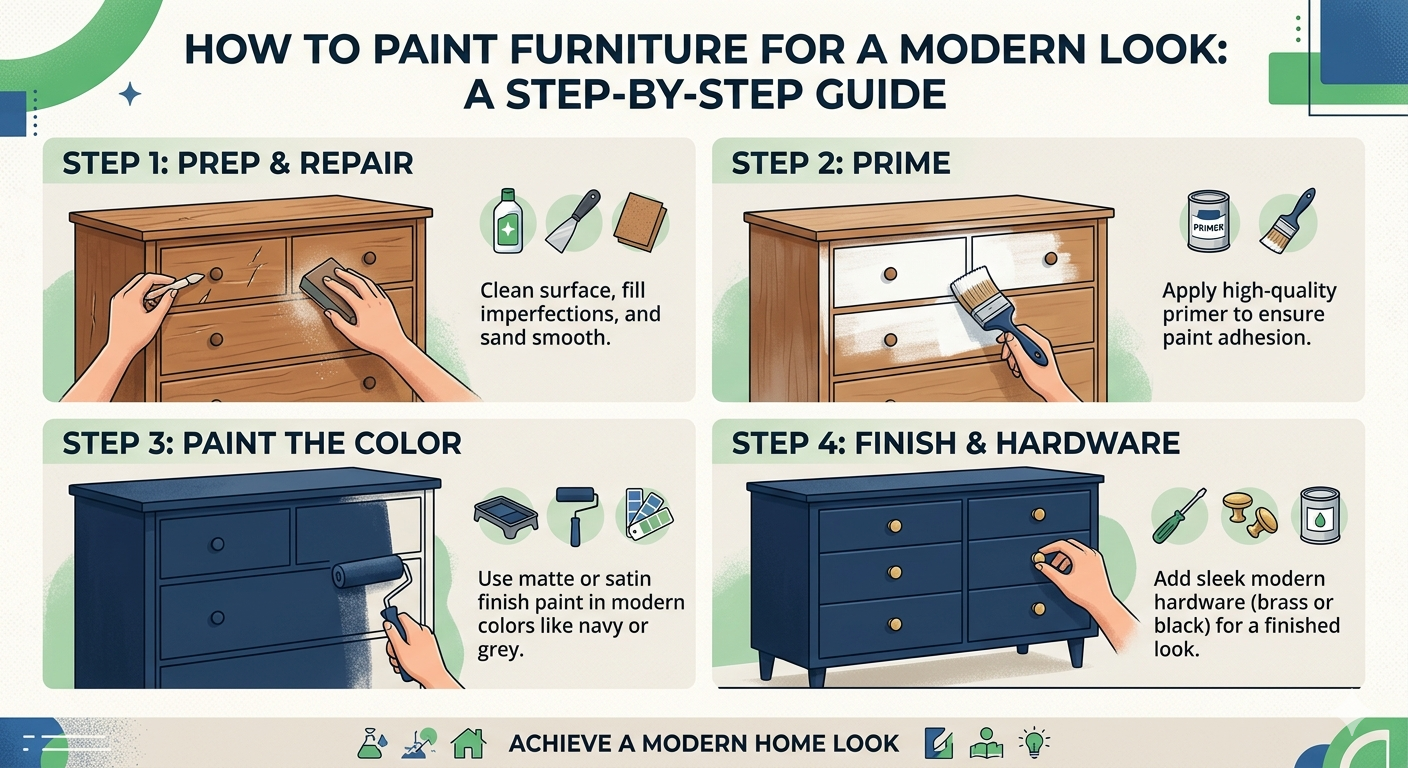
How to Paint Furniture for a Modern Look: A Step-by-Step Guide
Revamping furniture is one of the simplest ways to breathe new life into a room. Whether you’re updating an old piece or just looking for a fresh look, painting your furniture can create a striking, modern finish that elevates the entire space. The process is easier than you might think, and with the right approach, you can transform anything from a drab dres

Modern Interior Door Trends in Canada: Combining Functionality with Shaker Solid Doors
In the evolving Canadian housing market, design and functionality go hand in hand. Homeowners today are not only focused on aesthetics but also on durability, energy efficiency and long term value. Among the most popular choices in modern homes are Interior Doors and Shaker Solid Doors, both known for their versatility and timeless appeal. This article explores
Leave a Reply