

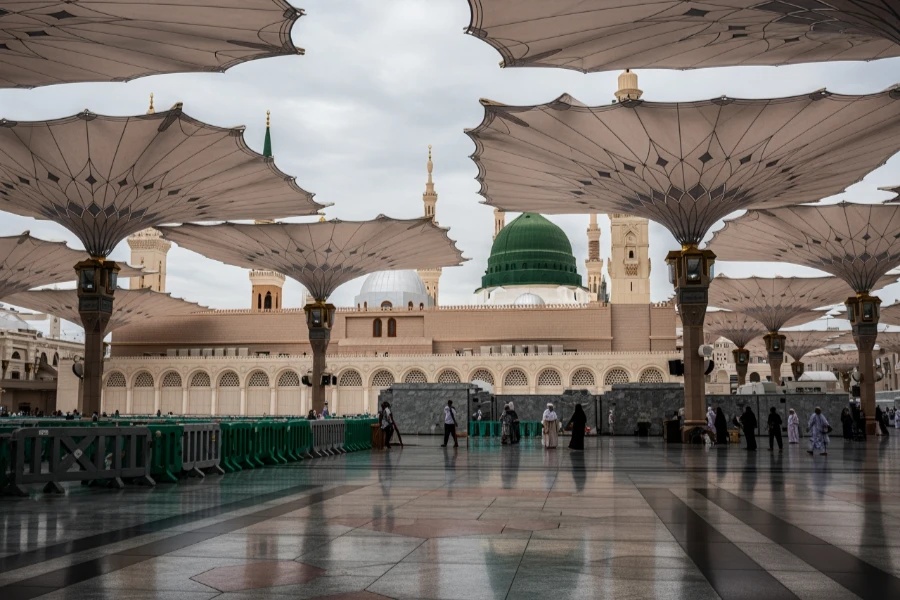
What Is the Impact of Seasonal Demand on Umrah Travel?
Planning a pilgrimage to the holy cities of Makkah and Madinah is a dream for millions. But if you’ve ever started looking into the logistics, you’ve likely noticed something curious: the price of a trip in November can look drastically different from the price in April. Why the discrepancy? It all boils down to the ebb and flow of seasonal demand. Understanding these cycles isn’t just for travel agents—it’s the secret sauce for any pilgrim who wants to balance their spiritual goals with a realistic budget.
The Rhythm of the Pilgrimage Calendar
Unlike the Hajj, which occurs during specific dates on the Islamic lunar calendar, Umrah can be performed at almost any time of the year. However, just because you can go anytime doesn’t mean everyone does. The demand for Umrah Packages fluctuates based on several factors, including school holidays, global weather patterns, and, most significantly, the sacred months. When demand spikes, everything from airfare to hotel occupancy in the Markazia districts feels the squeeze. It’s a classic case of supply and demand, but with a deeply spiritual layer. For many, the “best” time to go isn’t necessarily the cheapest; it’s the time that offers the most profound spiritual reward.
The Ramadan Peak: The Ultimate Seasonal Surge
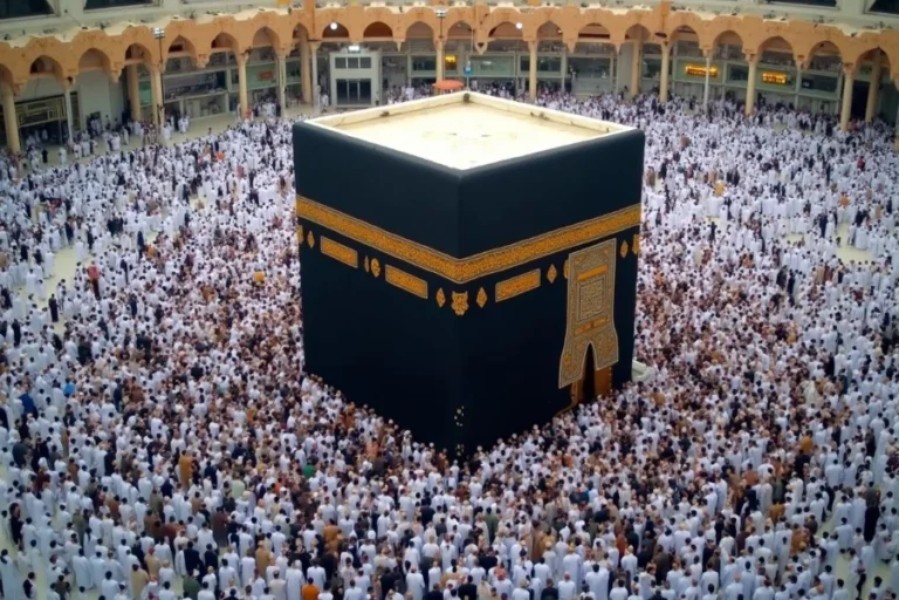
If we’re talking about seasonal demand, we have to start with the “big one.” Ramadan is widely considered the peak of the Umrah season. There’s a beautiful Hadith that mentions performing Umrah in Ramadan is equivalent to Hajj in reward. Naturally, this creates an astronomical surge in interest. Because of this, Ramadan Umrah Packages are often the most sought-after and, consequently, the most expensive options on the market. During the last ten nights of the month, Makkah becomes the literal center of the world. Finding a hotel room within walking distance of the Haram becomes a feat of Olympic proportions. On the flip side, the atmosphere is electric. There is a sense of communal worship that you simply won’t find at any other time of the year. Here’s the kicker: if you’re eyeing Ramadan Umrah Packages, you can’t afford to be a procrastinator. Most seasoned travelers book these months in advance to lock in prices before they skyrocket. If you wait until the crescent moon is sighted, you might find yourself staying miles away or paying double the standard rate.
Weathering the Elements: Summer vs. Winter
While spirituality drives the calendar, the literal climate of Saudi Arabia plays a huge role in seasonal demand. Have you ever stood in the middle of the Mataf when the thermometer hits 45°C? It’s a test of endurance, to say the least.
- The Winter Rush: From November to February, the weather in the Hijaz region is relatively mild. This makes it a prime time for families, especially those with elderly parents or young children. Because the weather is manageable, Umrah Packages during the winter break (December/January) see a significant price hike. Everyone wants that cool breeze during Sa’i.
- The Summer Slump: Conversely, the scorching summer months often see a slight dip in demand from certain regions. While it’s still busy, you might find that Umrah Packages are more competitively priced in July or August. However, you have to ask yourself: can I handle the heat? If you’re a night owl who plans to do your rituals after Isha, the summer might actually be a savvy time to save some cash.
The Post-Hajj Reopening
There is a specific window that savvy travelers love: the period immediately following the Hajj season. After the millions of Hajj pilgrims depart, the Saudi Ministry of Hajj and Umrah typically reopens the visa system for Umrah. During this time, the crowds are thinner, and the cities feel like they’re catching their breath. Hotels often offer “early bird” Umrah Packages to stimulate travel after the Hajj peak. It’s a fantastic window for those who prefer a quieter, more meditative experience. You might actually get a chance to touch the Black Stone without a struggle, or find a peaceful spot in the Rawdah in Madinah without a long wait.
How Seasonal Demand Affects Your Wallet
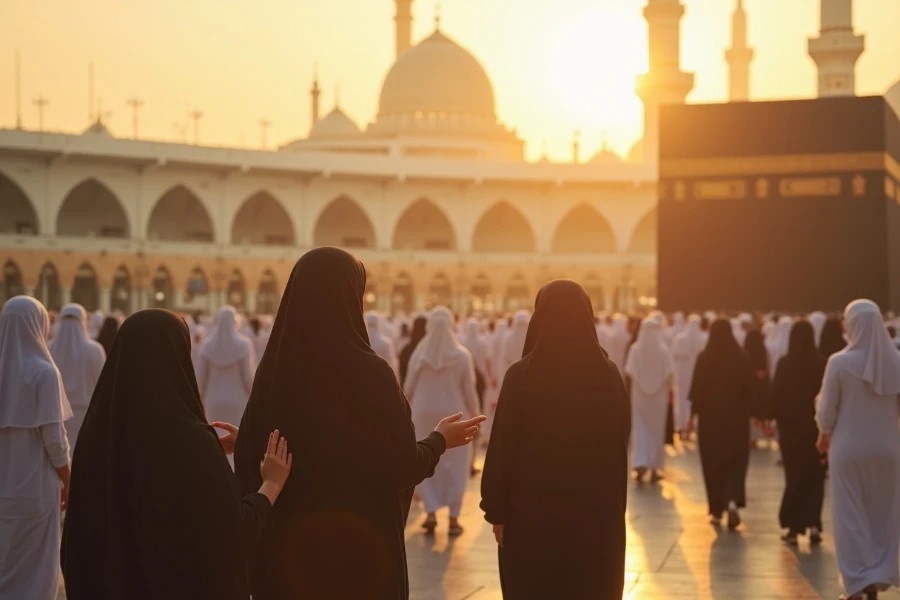
It’s not just the flights that get pricier during high season. The entire ecosystem of the pilgrimage reacts to the crowd size.
- Accommodation: Hotels in Makkah and Madinah operate on dynamic pricing. A room that costs $100 in the “off-season” might jump to $500 during the last ten nights of Ramadan. When looking at Ramadan Umrah Packages, check if the hotel is in the “first row” or if it requires a shuttle. During peak season, shuttle wait times can be grueling.
- Transport: Ground transportation—like the high-speed Haramain Train or private GMC transfers—books up fast. In high-demand periods, the sheer volume of people makes logistics a bit of a puzzle.
- Visa Processing: While the Saudi government has made the visa process incredibly efficient with the Nusuk platform, the sheer volume of applications during peak times can occasionally lead to system slowdowns or specific quota restrictions for certain countries.
Strategic Planning: When Should You Book?
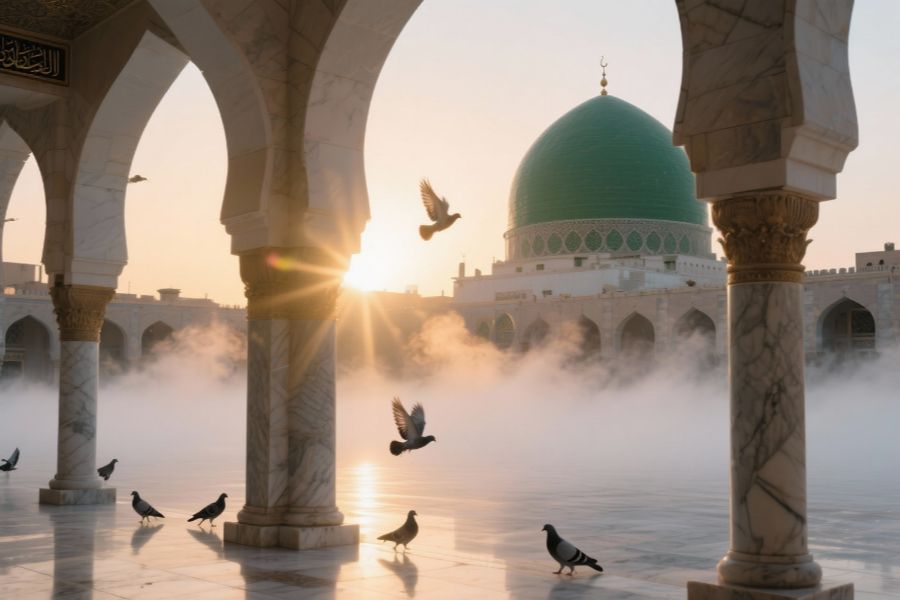
So, how do you navigate these waves? If your heart is set on the spiritual heights of the holy month, start comparing Ramadan Umrah Packages at least four to six months out. This gives you the best chance of finding a balance between proximity to the Haram and cost-effectiveness. That being said, if you’re flexible with your dates, consider the “shoulder seasons.” The months of Rabi’ al-Awwal or Jumada al-Thani often offer a “sweet spot.” You get decent weather, manageable crowds, and Umrah Packages that don’t require you to break the bank.
Tips for Beating the High-Season Stress
- Mid-Week Flights: If possible, fly out on a Tuesday or Wednesday. Weekend departures (Friday/Saturday) are always more expensive because they cater to short-break travelers from neighboring Gulf countries.
- Bundle Up: Look for Umrah Packages that include everything—flights, hotels, and transfers. Often, agencies buy blocks of rooms in advance, meaning they can offer a lower rate than if you tried to book the same hotel on a major booking site during a peak period.
- Stay Flexible: Sometimes, staying one street further away from the Haram can save you thousands. Is a five-minute walk worth a 30% discount? For many, the answer is a resounding yes.
The Emotional Impact of Crowds
Beyond the financial aspect, seasonal demand changes the “vibe” of your trip. High demand means high energy. There is something profoundly moving about making Tawaaf with a hundred thousand other souls, all chanting “Labbayk.” It reminds you of the universality of the faith. On the flip side, if you struggle with claustrophobia or loud environments, the high season might be overwhelming. If you’re looking for a trip focused on quiet reflection and lengthy stays inside the Masjid al-Nabawi, you might want to steer clear of the dates covered by popular Ramadan Umrah Packages and opt for a quieter month like Safar.
Final Thoughts: Finding Your Perfect Window
At the end of the day, the “best” time for Umrah is when your heart is ready and your means allow. Seasonal demand is a reality of global travel, but it shouldn’t be a deterrent. Whether you choose the bustling, high-stakes environment of Ramadan Umrah Packages or a quiet winter getaway, the destination remains the same. By understanding how the seasons affect pricing and crowds, you can manage your expectations and your budget. Do you want the intensity of the peak season, or the tranquility of the off-peak? There’s no wrong answer—only the one that fits your spiritual journey. Plan ahead, stay patient, and remember that every step taken toward the House of Allah is a blessing, regardless of the price of the ticket. After all, the reward isn’t dictated by the season, but by the sincerity of the pilgrim. So, keep an eye on those Umrah Packages, stay flexible, and your path to the holy cities will surely open up when the time is right.
Related Posts

Fast and Efficient Carpet Cleaning for Sparkling Results
Clean carpets are essential for a healthy and comfortable home. Over time, carpets collect dust, dirt, and allergens that regular vacuuming cannot remove. Hiring a professional carpet cleaner CDA ID ensures your floors are thoroughly cleaned, fresh, and free from harmful particles. For homeowners looking for expert care, trusted carpet cleaning in Coeur d’

Building Contractors in Chennai: A Complete Guide for Homeowners
Building a home is one of the most significant investments in a homeowner’s life. From planning the layout to completing the final finishing touches, every step requires expertise, precision, and proper coordination. Choosing the right Building Contractors in Chennai plays a major role in ensuring your dream home is completed on time, within budget, and to th
Reliable Academic Support for UK Students’ Success
Introduction: Why Academic Support Matters in the UK Higher education in the UK is known for its high standards, critical thinking expectations, and demanding coursework. From undergraduate essays to postgraduate dissertations, students often juggle multiple responsibilities lectures, research, part-time jobs, and personal commitments. In such a fast-paced acad

How Self-Employed Buyers Are Entering the Housing Market in 2026
Home sales across the United States rose in February 2026, giving self-employed buyers a fresh window of opportunity. According to the National Association of Realtors, existing home sales climbed 1.7% from January, beating what economists had expected. As mortgage rates show signs of easing, Dream Home Mortgage says now is the right time for self-employed buye
Leave a Reply